

Newborn Screening Saves Lives Reauthorization Act of 2021 This bill reauthorizes through FY2026 and revises several programs and activities relating to newborn screening for certain conditions and genetic, endocrine, and metabolic diseases. Among its changes, the bill reauthorizes and makes mandatory the Hunter Kelly Research Program at the National Institutes of Health, and national surveillance activities conducted by the Centers for Disease Control and Prevention. The bill also aligns statutory requirements for research on non-identified newborn blood spots with federal regulations governing research on human subjects. These blood spots are collected as part of newborn screening programs, and some states make them available for biomedical and public health research. Under current regulations, research on non-identified bio-specimens such as blood spots is not considered to be research on human subjects, to which additional protections apply.
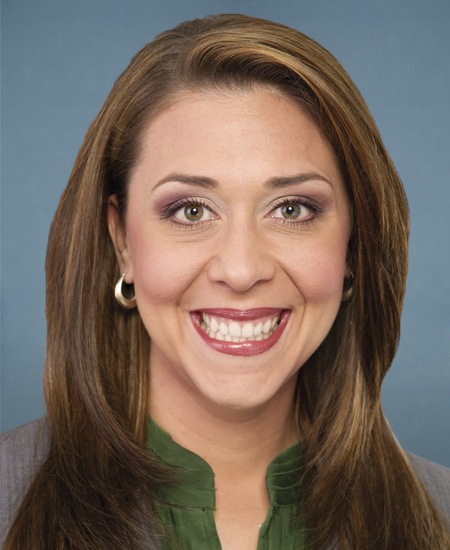
Rep. Jaime Herrera Beutler
Sponsored bills
Continuous Improvement and Accountability in Organic Standards Act This bill requires the Department of Agriculture (USDA) to undertake rulemaking and other activities to implement certain recommendations of the National Organic Standards Board (a federal advisory board that considers and makes recommendations concerning the production, handling, and processing of organic products). Specifically, USDA must issue within a specified time line final rules for implementing recommendations approved (1) by the board between December 31, 2000, and the date of the bill's enactment; and (2) with at least two-thirds of the votes cast at a meeting where a quorum was present. If USDA determines issuing rules for such recommendations is not practicable, it must identify and report to Congress about the specific constraints that preclude rulemaking. In addition, the bill sets out a process and time line for USDA to implement through rulemaking future recommendations of the board that are approved by at least two-thirds of the votes cast at a meeting where a quorum was present. The bill also requires state officials or entities that certify organic farms or handling operations to report annually concerning the implementation of and compliance with any new rule or guidance.
Local Journalism Sustainability Act This bill allows individual and business taxpayers tax credits for the support of local newspapers and media. Specifically, individual taxpayers may claim an income tax credit up to $250 for a local newspaper subscription. The bill also allows local newspaper employers a payroll tax credit for wages paid to an employee for service as a local news journalist and certain small businesses a tax credit for local newspaper and media advertising expenses.
National Children's Museum Act This bill requires the General Services Administration (GSA) to cover the rent of the National Children's Museum for the duration of the museum's current building lease, including renewals. The GSA must use specified funds for such expenses.
Physical Therapist Workforce and Patient Access Act of 2021 This bill makes physical therapists eligible for the National Health Service Corps Loan Repayment Program. This program assists primary care, mental health, and dental providers in repaying eligible student loans in exchange for working in areas with shortages of such providers.
Medical Nutrition Equity Act of 2021 This bill expands coverage under Medicare, Medicaid, other specified federal health care programs, and private health insurance to include foods, vitamins, and individual amino acids that are medically necessary for the management of certain digestive and metabolic disorders and conditions.
Made in America Emergency Preparedness Act This bill establishes in the legislative branch the National Commission on United States Preparedness for National Emergencies and requires any medical, pharmaceutical, or emergency preparedness product deemed integral to a response to a national emergency to be manufactured and procured in the United States beginning on and after January 1, 2026. The commission must, among other things, examine and report on the COVID-19 pandemic in the United States in 2020 and the private sector response, investigate the origin of the COVID-19 virus and measures for mitigating the impacts of future physical and medical national disasters, determine what medical, pharmaceutical, and emergency preparedness products are deemed to be essential to emergency preparedness, and report on infrastructure or capability deficiencies in hospitals and medical centers. States must implement the commission's findings or lose access to federal emergency preparedness funds. The bill allows 100% tax expensing for qualified pharmaceutical and medical device manufacturing property (e.g., personal protective equipment) placed in service after 2020 and before 2027.
United States Army Rangers Veterans of World War II Congressional Gold Medal Act This bill provides for the award of a single Congressional Gold Medal to the U.S. Army Rangers Veterans of World War II in recognition of their dedicated service during World War II.
Increasing Access to Osteoporosis Testing for Medicare Beneficiaries Act of 2021 This bill specifies that certain Medicare payment rules applicable to imaging services shall apply to dual-energy x-ray absorptiometry services used in bone mass scans beginning in 2022. The Centers for Medicare & Medicaid Services must establish national minimum payment amounts for such services.
Secure Rural Schools Reauthorization Act of 2021 This bill extends through FY2023 payments made to states and eligible counties containing certain federal land under the Secure Rural Schools and Community Self-Determination Act of 2000. The Department of the Interior and the Department of Agriculture shall carry out a pilot program to allow the Chief of the Forest Service or the Director of the Bureau of Land Management to nominate members of resource advisory committees. County funds may be used to provide or expand access to (1) broadband telecommunications services at local schools, or (2) the technology and connectivity necessary for students to use a digital learning tool at or outside of a local school campus. Any county funds that were obligated by a county before October 1, 2017, but are unspent on October 1, 2020, may be used by the county for any authorized use and shall be available for projects initiated after October 1, 2020. No county funds may be used for lobbying activity, regardless of the purpose for which the funds are obligated on or before the enactment of this bill.