

Maddy summaryThe Safe Schools Improvement Act (HR 6031) requires public elementary and secondary schools to implement comprehensive anti-bullying policies that specifically prohibit harassment based on protected characteristics like race, gender identity, disability, religion, and sexual orientation. It mandates schools to collect and publicly report annual data on bullying incidents while establishing clear grievance procedures for students and parents. The bill also requires states to submit biennial reports on school compliance and supports evidence-based interventions, such as restorative practices, to reduce exclusionary discipline. This legislation directly affects all public K-12 schools and students in the U.S., aiming to create safer learning environments through standardized policy requirements and data transparency.
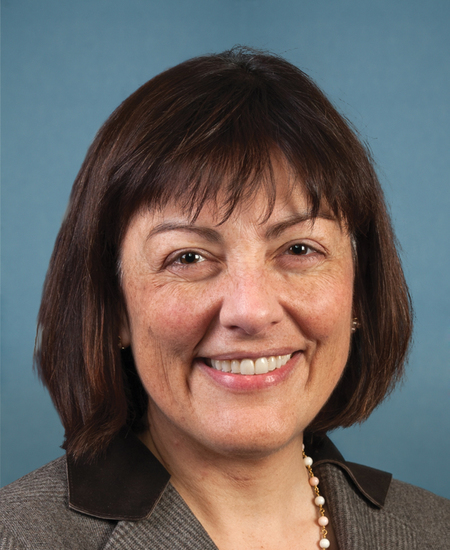
Rep. Suzan K. DelBene
Sponsored bills
Maddy summaryThis bill removes a previous exclusion that prevented temporary federal employees (including U.S. Postal Service staff and Members of Congress) from counting service after January 1, 1988, toward their retirement benefits. It allows these workers to have their post-1988 temporary service counted toward retirement eligibility if they pay a deposit to the retirement system. The change applies to anyone employed by the federal government on or after the bill's enactment date. The Office of Personnel Management must notify affected employees and create rules to implement this change.
Maddy summaryThe Medical Debt Relief Act of 2023 would prevent credit bureaus from reporting medical debt on credit reports and stop creditors from using medical debt information when making credit decisions. It defines medical debt as any debt related to medical services, products, or devices, and requires the removal of existing medical debt entries from credit reports. Within one year of enactment, the Consumer Financial Protection Bureau must update regulations to prohibit creditors from considering medical debt in loan or credit applications. This directly affects consumers with medical debt (who may see improved credit scores) and creditors (who must adjust their credit evaluation practices).
Maddy summaryThis bill, HR 5920 (Student Loan Marriage Penalty Elimination Act of 2023), changes how married couples can deduct student loan interest on their federal taxes. It amends the tax code to allow each spouse to claim a separate $2,500 deduction limit for student loan interest, instead of a single combined limit for the couple. This directly affects married couples filing jointly who pay student loan interest and qualify for the deduction. The change applies to tax years beginning after December 31, 2022, and ensures the deduction aligns with the tax treatment for individual filers.
Maddy summaryHCONRES 68 is a symbolic resolution expressing the House of Representatives' support for recognizing September 26, 2023, as "World Contraception Day." It states the House's "sense" that Congress and the Administration should work to improve universal, affordable access to contraception for all people who may become pregnant, both domestically and globally. The resolution calls for evidence-based policies to address disparities in access, expand comprehensive sex education, and support programs like Title X family planning services, without creating new laws or funding. It directly affects all individuals seeking reproductive health care, particularly those facing barriers due to race, income, location, or gender identity. The resolution does not mandate action but outlines policy priorities for future consideration.
Maddy summaryThis resolution commemorates October 2023 as Filipino American History Month, honoring the contributions and cultural heritage of Filipino Americans to the United States. It directly recognizes the Filipino American community - now the third-largest Asian American and Pacific Islander group - with a population of approximately 4.5 million - and highlights their historical roles, including WWII service and community leadership. The resolution has no legal effect or funding provisions; it is purely ceremonial, urging the public to observe the month through educational programs and activities. It follows prior congressional recognitions of Filipino American History Month since 2009.
Maddy summaryHRES 751 is a non-binding resolution designating October 1, 2023, as "National Animal Rescue Day" to raise public awareness about animal adoption and spaying/neutering. It directly supports animal shelters, rescue organizations, and the public by encouraging adoption events, educational activities, and charitable support on that date. The resolution aims to reduce shelter overcrowding and euthanasia rates by promoting adoption and responsible pet ownership through nationwide observance. It does not create new laws or funding but expresses congressional support for existing animal rescue efforts.
Maddy summaryThis resolution designates the week of September 25-29, 2023, as "National Clean Energy Week" to recognize the growing role of clean energy in the U.S. economy. It expresses support for clean energy jobs and innovation, noting the sector employed about 8.1 million people in 2022. The resolution encourages federal, state, and local investment in affordable clean energy technologies and promotes "commonsense solutions" for energy needs. As a symbolic gesture, it has no legal force or funding implications - it simply urges recognition of clean energy's economic and environmental contributions.
Maddy summaryHR 5667, the Pay Our Military Act, ensures continued pay and allowances for active-duty military members, reservists, Department of Defense civilians, and qualifying contractors during any government funding gap in fiscal year 2024. It appropriates funds from the Treasury to cover these payments if regular appropriations bills aren't passed before the end of the fiscal year. The funding automatically terminates once regular appropriations are enacted or by January 1, 2025, whichever comes first.
Maddy summaryHRES 736 is a House resolution designating September 25-October 1, 2023, as "Asian American and Native American Pacific Islander-Serving Institutions Week" to recognize institutions that serve high proportions of Asian American, Native Hawaiian, and Pacific Islander students. These institutions - enrolling over 46% of such students despite representing only 6.5% of U.S. colleges - provide critical support for low-income, first-generation students through culturally relevant programs. The resolution encourages eligible institutions to seek funding and urges the public to observe the week with activities celebrating their educational contributions. It has no legal effect but serves as a symbolic acknowledgment of their role in higher education.