

Maddy summaryThis resolution expresses the U.S. House of Representatives' support for designating October 8, 2024, as "National Hydrogen and Fuel Cell Day." It recognizes hydrogen and fuel cell technologies for their role in clean energy, transportation (including vehicles and industrial applications), and grid reliability. The resolution has no legal effect - it is purely symbolic, acknowledging the importance of these technologies without creating new laws or funding. It was introduced by multiple representatives and refers to hydrogen's historical and potential future applications.
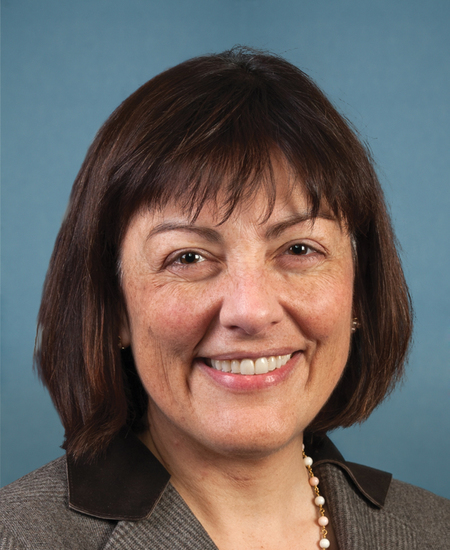
Rep. Suzan K. DelBene
Sponsored bills
Maddy summaryHRES 1504 designates October 2024 as Filipino American History Month to celebrate the history, culture, and contributions of Filipino Americans to the United States. The resolution urges the American public to observe the month through educational programs and activities highlighting the community's early settlements, military service (including World War II veterans' contributions), and roles in healthcare, labor movements, and other fields. As a non-binding congressional resolution, it formally recognizes Filipino American heritage without creating new legal obligations or policy changes.
Maddy summaryHRES 1515 designates October 1, 2024, as "National Animal Rescue Day" to raise public awareness about animal adoption, promote spaying and neutering to reduce pet overpopulation, and encourage more adoptions nationwide. The resolution supports community events, educational efforts, and charitable activities on that day to assist animal shelters and reduce the number of animals euthanized. It is a non-binding symbolic gesture without legal force, intended to unite communities around animal rescue initiatives.
Maddy summaryHR 1719, the Honoring Our Fallen Heroes Act of 2023, establishes a presumption that certain cancers diagnosed in public safety officers (like police and firefighters) are work-related if linked to their duties. It defines 22 specific cancers (including lung, mesothelioma, and WTC-related cancers) as "exposure-related," allowing officers or their families to receive benefits without proving direct work connection, provided they were diagnosed within 15 years of leaving active service. The bill also creates a process for adding new cancers to the list based on scientific evidence, requiring the Bureau to review petitions and make decisions within 180 days. This applies to deaths or disabilities occurring on or after January 1, 2023, directly affecting officers who developed covered cancers during service.
Maddy summaryHCONRES 130 is a symbolic concurrent resolution commending state and local governments that treat reproductive rights as human rights following the *Dobbs* decision. It recognizes efforts by cities like Austin, Texas, and Montgomery County, Maryland, to expand abortion access and condemn criminalization of pregnancy outcomes. The resolution affirms that reproductive rights are human rights, urges states to repeal restrictive laws, and references U.S. obligations under international human rights treaties. As a non-binding resolution, it does not create new laws or alter existing policies.
Maddy summaryHR 3433, the "Give Kids a Chance Act of 2024," requires pharmaceutical companies developing certain cancer drugs to conduct pediatric studies if the drugs target molecular pathways relevant to childhood cancers. It directly affects drug manufacturers submitting new applications for cancer treatments, particularly those combining previously approved adult cancer drugs or containing a single new active ingredient. The bill amends FDA regulations to mandate these pediatric investigations only when specific conditions are met, such as when a drug's molecular target is relevant to pediatric cancer growth. The FDA must issue implementing guidance within 12 months, and reports to Congress will track implementation and effectiveness starting 2 years after enactment.
Maddy summaryHRES 1489 is a symbolic House resolution designating the week of September 23-27, 2024, as "National Clean Energy Week." It expresses congressional support for recognizing clean energy's role in economic growth (citing 8.35 million jobs in the sector) and encourages voluntary actions like public awareness, investment in clean energy technologies, and supporting local clean energy jobs. The resolution does not create new laws, funding, or obligations - it only formally endorses the week-long observance to highlight clean energy’s economic and environmental benefits. It directly affects no specific group but aims to raise national awareness of the clean energy sector.
Maddy summaryHRES 1487 is a symbolic resolution designating September 23-29, 2024, as "Asian American and Native American Pacific Islander-Serving Institutions Week." It recognizes the work of institutions serving Asian American, Native Hawaiian, and Pacific Islander students - such as those enrolling 10%+ of these students and awarding over 45% of bachelor’s degrees for these groups - without creating new policies or funding. The resolution encourages higher education institutions to seek funding for culturally relevant programs and asks the public to observe the week through activities supporting these institutions. It has no direct legal effect or impact on beneficiaries beyond raising awareness.
Maddy summaryThis bill establishes a Diversity and Inclusion Administrator at the Department of Labor to increase African American participation in apprenticeship programs. It requires all new and renewing registered apprenticeship programs to submit plans for boosting African American enrollment, and authorizes competitive grants for programs targeting underrepresented groups in industries like construction, tech, and healthcare. Grant recipients must report on metrics including participant demographics, program completion rates, and job placement in related fields. The law directly affects African American youth and other underrepresented groups by mandating systemic changes to apprenticeship programs nationwide.
Maddy summaryHRES 1458 is a commemorative resolution designating September 16-20, 2024, as "Medical Research Week" to honor medical research contributions. It recognizes the National Institutes of Health (NIH)’s role in advancing treatments for diseases like cancer, Alzheimer’s, and heart disease, while highlighting how NIH funding supports over 400,000 jobs and $93 billion in economic activity. The resolution has no binding effect - it does not change laws, funding, or policies, but simply urges the House to support the designation and acknowledge medical research’s national impact. It directly affects public awareness, not specific individuals or entities, and serves only as a symbolic observance.