

Maddy summaryThe Affordable Housing Equity Act of 2025 increases tax credits for developers building housing designated for extremely low-income households. It allows developers to claim a 150% increase in the eligible tax credit basis for units where at least 20% of residents earn 30% of local median income or 100% of the federal poverty line. This change directly affects housing developers and low-income renters in qualifying projects by making such developments more financially feasible. The policy modifies existing tax credit rules under Section 42 of the Internal Revenue Code, applying to projects receiving credit allocations after the bill's enactment or with obligations after December 31, 2025.
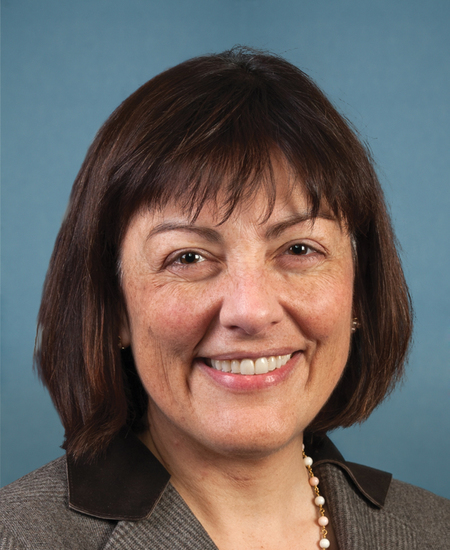
Rep. Suzan K. DelBene
Sponsored bills
Maddy summaryThe Domestic Workers Bill of Rights Act (HR 3971) would establish key labor protections for domestic workers, including nannies, housekeepers, and caregivers who work in private homes. The bill requires written agreements for workers employed 8+ hours per week, provides earned sick days (1 hour for every 30 hours worked), mandates fair scheduling practices with 72-hour notice for schedule changes, and extends overtime protections to live-in domestic employees. It also prohibits unfair wage deductions, guarantees meal and rest breaks, and ensures privacy protections including no monitoring in private living spaces. The bill directly affects approximately 2.2 million domestic workers across the U.S., who are disproportionately women of color and immigrants. Enforcement would be handled by the Department of Labor through new complaint resolution mechanisms and oversight.
Maddy summaryHRES 502 is a House resolution requesting transparency about a potential federal database project. It directs the President and three Cabinet Secretaries (Treasury, Labor, Health and Human Services) to provide documents to the House within 14 days regarding a proposed centralized database developed with Palantir Technologies Inc. The resolution seeks information about the database’s scope - compiling sensitive personal data like tax records, health information, financial accounts, and Social Security details across federal agencies - and its purpose, including potential uses like tax audits or benefit restrictions. This is a procedural inquiry (not a policy change) focused on obtaining documents for congressional review of the project’s development and contracts.
Maddy summaryThis bill codifies existing protections for designated roadless areas within the National Forest System by prohibiting new road construction, road reconstruction, and logging in these areas. It directly affects National Forest lands already identified as "inventoried roadless areas" under the current Roadless Rule, which covers roughly 58 million acres. The key mechanism requires the Secretary of Agriculture to enforce these prohibitions, maintaining current protections without expanding restrictions to other lands or altering existing multiple-use management. The bill does not create new protected areas but legally solidifies the existing regulatory framework to preserve ecological and recreational values.
Maddy summaryThis bill, HR 3916 (My Body, My Data Act of 2025), requires businesses and other "regulated entities" to minimize collection and sharing of personal reproductive or sexual health data - such as pregnancy status, contraceptive use, or abortion-related information - and gives individuals specific rights. It mandates that entities provide individuals with easy access to their data, the ability to correct inaccuracies, and the right to request deletion of such information within 15 days. The law also requires clear privacy policies detailing data practices and prohibits retaliation against individuals who exercise these rights, such as charging higher prices or denying services. It applies broadly to most businesses (excluding HIPAA-covered healthcare providers) and is enforced by the FTC with private lawsuits allowed for violations.
Maddy summaryThis bill requires private firearm transfers between individuals to go through a licensed dealer who must conduct a background check. It applies to most private sales but includes exceptions for transfers between family members (like parents and children), law enforcement, emergencies preventing harm, and temporary loans at shooting ranges or for hunting. Dealers must provide background check notices in both English and Spanish. The law aims to prevent prohibited individuals from obtaining firearms through private transactions while maintaining existing state authority on firearm laws.
Maddy summaryHR 3876, the LIHEAP Staffing Support Act, amends the Low-Income Home Energy Assistance Act to establish staffing requirements for the program. It requires the Secretary to employ at least 20 full-time staff dedicated to administering LIHEAP, limits contractors to no more than 40% of these staff, and mandates increasing staffing to at least 30 during declared emergencies (as defined under existing law). These provisions directly affect the administrative capacity of the LIHEAP program, which provides energy assistance to low-income households. The bill focuses on ensuring consistent staffing levels to support program delivery, with specific rules for emergency periods lasting up to 180 days.
Maddy summaryHRES 481 is a symbolic resolution condemning recent antisemitic attacks in the U.S., specifically referencing the June 1, 2025, Boulder, Colorado, assault on a Jewish community gathering and other incidents like the May 2025 Washington, D.C., embassy shooting. It formally recognizes a pattern of violence targeting Jewish individuals and institutions, including attacks during religious events. The resolution calls on law enforcement to thoroughly investigate and prosecute such incidents and urges elected officials to publicly oppose antisemitism and politically motivated violence. As a non-binding resolution, it does not create new laws or allocate funding but serves to affirm congressional stance against antisemitism.
Maddy summaryThe Elder Pride Protection Act of 2025 establishes a federal task force (the ELDER Task Force) within the Department of Justice to address elder abuse targeting LGBTQI+ individuals. The task force, created within 90 days of the bill’s passage, will study the rise in such abuse, develop national best practices for law enforcement, and create educational materials for prevention and response. It will coordinate efforts across local, state, and federal agencies and submit a report to Congress within one year. The bill directly affects older LGBTQI+ adults (aged 60+) facing abuse, which includes physical, sexual, emotional, or financial harm, but does not create new funding or penalties.
Maddy summaryThis bill expands Medicare coverage for diabetes self-management training. It requires Medicare to cover 10 initial hours of training plus 2 additional hours annually for beneficiaries with diabetes, eliminating cost-sharing (like copays) for these services. The policy directly affects Medicare beneficiaries with diabetes by making essential education and training fully covered. The changes apply to services provided on or after January 1, 2027.