

Maddy summaryThe SAD Act prohibits crisis pregnancy centers (CPCs) from making deceptive claims about offering abortion services, contraception, or employing licensed medical personnel. It directly affects CPCs nationwide - over 2,500 of which operate under false pretenses, often outnumbering abortion clinics by 3:1 in many states. The Federal Trade Commission (FTC) would enforce this by imposing civil penalties up to $100,000 or 50% of a CPC’s annual revenue for violations. The law requires CPCs to provide accurate information about reproductive health services, aiming to prevent misleading patients from accessing abortion care.
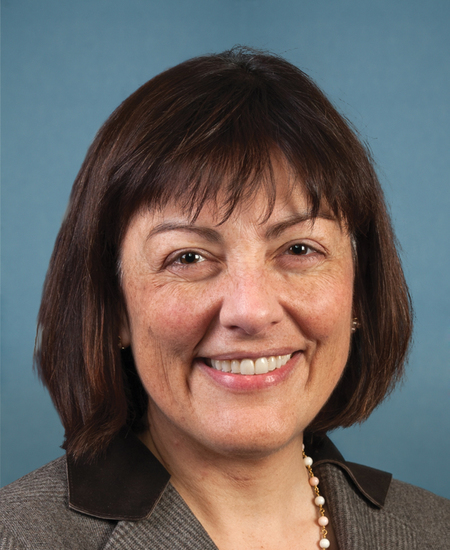
Rep. Suzan K. DelBene
Sponsored bills
American Innovation and R&D Competitiveness Act of 2023 This bill eliminates the five-year amortization requirement for research and experimental expenditures, thus allowing continued expensing of such expenditures in the taxable years in which they are incurred.
Maddy summaryHR 2725, the "Do No Harm Act," amends the Religious Freedom Restoration Act (RFRA) to clarify that RFRA does not apply when federal laws protect against discrimination or promote equal opportunity. It specifically exempts protections under the Civil Rights Act, Americans with Disabilities Act, workplace benefits like leave, child labor safeguards, and healthcare access from RFRA challenges. The bill also clarifies that RFRA does not block private lawsuits between individuals, applying only to cases involving government entities. This amendment ensures that existing federal civil rights and workplace protections remain enforceable under RFRA.
Maddy summaryThe Latonya Reeves Freedom Act of 2023 strengthens the Americans with Disabilities Act's requirement that individuals with disabilities receive long-term services and supports in community settings rather than institutions. It defines "community-based" services to include specific housing options where individuals with disabilities can live independently with maximum control over their lives, including access to integrated housing, employment, and community participation. The bill requires states to develop transition plans to move people from institutional settings to community-based services within 12 years, with measurable annual targets for reducing institutionalization. It establishes enforcement mechanisms through the Department of Justice and Department of Health and Human Services to ensure compliance with these requirements.
Maddy summaryThis bill establishes a 10-member Commission to study how U.S. federal laws and policies affect citizens living abroad. The Commission will examine specific issues including tax reporting requirements, access to financial institutions, voting procedures, Social Security/Medicare interactions, and immigration processes for family members. It must submit an initial report within one year of enactment, detailing findings and recommendations for improving these systems. The Commission will terminate after submitting a follow-up report one year later, with no direct policy changes enacted by the bill itself.
Maddy summaryThe Transportation Innovation Coordination Act (HR 2664) expands the duties of the Joint Office of Energy and Transportation to coordinate decarbonization efforts across transportation sectors. It requires the office to study, plan, and implement strategies for reducing emissions in aircraft/airports (including sustainable fuels and infrastructure), maritime vessels/ports (like green corridors and alternative fuels), and medium/heavy-duty trucks (addressing charging infrastructure, fuel options, and workforce training). The bill mandates reports to Congress within 180 days identifying barriers to decarbonization and economic measures needed, while directing coordination with agencies like the FAA, EPA, DOE, and Department of Defense. This focuses on interagency collaboration to streamline efforts, not on creating new funding or mandates for private entities.
Maddy summaryHR 2693, the Pay Our Coast Guard Parity Act of 2023, ensures Coast Guard members, civilian staff, and qualifying contractors receive pay and benefits during specific funding gaps. It requires Congress to appropriate funds for Coast Guard personnel pay, allowances, and key benefits (like death gratuities and housing allowances) if a Coast Guard-specific funding lapse occurs - when Coast Guard funding isn’t approved before a fiscal year starts but Department of Defense funding is. The bill mandates these payments continue until a full appropriation is enacted or for up to two weeks after the lapse begins, with costs charged to future appropriations. This addresses a gap in funding continuity for Coast Guard personnel during government shutdowns affecting only the Coast Guard.
Maddy summaryThe Puppy Protection Act of 2023 sets new standards for businesses that sell dogs (dealers), directly affecting pet stores and breeders operating under the Animal Welfare Act. It requires specific housing with space allowances based on dog size (e.g., 12-30 square feet per dog), temperature control (45-85°F), clean food twice daily, and daily exercise or socialization with humans/dogs for at least 30 minutes. The bill also mandates annual veterinary exams including dental care, strict breeding limits (e.g., age restrictions, maximum 2 litters in 18 months), and efforts to place retired breeding dogs in homes instead of selling them to other breeders. Regulations must be finalized within 18 months of enactment.
Maddy summaryHR 2682, the Veterans Medical Marijuana Safe Harbor Act, creates a federal exemption allowing veterans to use, possess, or transport state-legal medical marijuana without facing federal penalties. It specifically protects veterans in states or tribal lands where medical marijuana is permitted, and permits VA physicians to discuss or recommend it as a treatment for pain or conditions like PTSD. The bill mandates the VA to conduct research on medical marijuana's effects for veterans within 180 days and study veterans' access to state programs within two years. This exemption expires automatically five years after the bill’s enactment.
Maddy summaryHR 808, the Veterans Patient Advocacy Act, requires the Department of Veterans Affairs (VA) to provide patient advocates at VA medical facilities. Starting one year after the bill's enactment, the VA must ensure at least one patient advocate serves every 13,500 enrolled veterans, with specific efforts to ensure rural veterans can access these advocates, including through rural clinics. The bill also mandates a Government Accountability Office (GAO) report within two years to evaluate how well the VA implements this requirement. This legislation directly affects veterans receiving care through the VA system and VA medical facilities.