

Maddy summaryThis bill creates two programs to support early childhood educators. The first provides loan repayment assistance (up to $6,000 annually) for educators who work 5 years at qualifying childcare providers (like centers receiving federal child care vouchers). The second offers grants ($4,000 per academic year) to students in early childhood education programs, requiring them to work in licensed early learning settings for at least one year per grant year. Both programs require service commitments, with failure to comply treated as a loan requiring repayment under specific income-based terms. The programs directly affect early childhood educators, students pursuing relevant degrees, and childcare providers participating in federal child care programs.
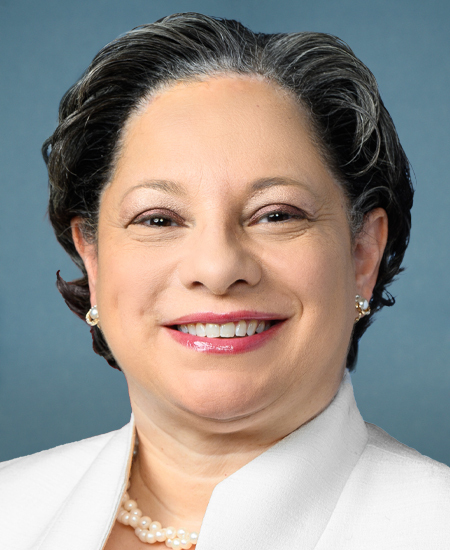
Rep. Jennifer L. McClellan
Sponsored bills
Maddy summaryThis bill requires the Transportation Security Administration (TSA) to develop and update guidance within 90 days (and every five years) to prevent contamination of breast milk, baby formula, and related cooling items during airport security screening. The guidance must be created with input from maternal health organizations and ensure hygienic handling during re-screening or additional testing. It also mandates a DHS Inspector General audit within one year to review compliance and assess how screening technologies affect these items' processing. The bill directly affects breastfeeding parents traveling with infants by standardizing secure handling of essential items.
Maddy summaryHCONRES 130 is a symbolic concurrent resolution commending state and local governments that treat reproductive rights as human rights following the *Dobbs* decision. It recognizes efforts by cities like Austin, Texas, and Montgomery County, Maryland, to expand abortion access and condemn criminalization of pregnancy outcomes. The resolution affirms that reproductive rights are human rights, urges states to repeal restrictive laws, and references U.S. obligations under international human rights treaties. As a non-binding resolution, it does not create new laws or alter existing policies.
Maddy summaryHRES 1495 designates September 2024 as "Sickle Cell Disease Awareness Month" to raise public education about sickle cell disease (SCD), which affects approximately 100,000 people in the U.S., predominantly in African American communities. The resolution urges the Department of Health and Human Services to address access barriers for SCD treatments in Medicare and Medicaid, calls for increased National Institutes of Health research funding, and proposes forming a federal interagency cabinet to coordinate SCD policy. It also encourages public events during September to highlight early detection, treatments, and preventative care for SCD complications. As a symbolic resolution, it does not create new laws but directs federal agencies to prioritize equitable access and research for SCD.
Maddy summaryThis resolution symbolically supports designating September 23-27, 2024, as "National Hazing Awareness Week." It does not create new laws but expresses the House’s endorsement of raising awareness about hazing in college settings. The resolution cites statistics showing 55% of college students experience hazing and references numerous fatalities linked to hazing incidents. It encourages ongoing hazing prevention efforts beyond the designated week and urges the public to observe the week through awareness and education. The resolution directly affects campus communities and student safety initiatives, though it has no binding legal effect.
Maddy summaryThe BUILT Act establishes new federal research programs to improve infrastructure resilience to climate change and subsurface conditions (like soil and groundwater). It directs the Director to fund research on measuring climate impacts, developing resilient design standards, and holding a workshop to create a framework for infrastructure that withstands multiple hazards. Within one year of the workshop, the Director must submit a public report with recommendations to Congress. This research aims to inform future building codes and engineering practices for safer, more resilient infrastructure.
Maddy summaryHR 9791, the Pay Our Military Act, ensures continuous pay and allowances for military personnel, Department of Defense civilians, and supporting contractors during government funding gaps in fiscal year 2025. It appropriates necessary funds from the Treasury to cover these costs until either regular appropriations are enacted, a funding resolution passes, or January 1, 2026, whichever comes first.
Maddy summaryHR 9782, the Uterine Cancer Study Act of 2024, directs the U.S. Department of Health and Human Services (HHS) to study whether hair straighteners - specifically chemical products - may be linked to uterine cancer, with a focus on higher rates among women of color. The study will review existing research, examine impacts across racial and ethnic groups, and break down results by product type (e.g., dyed, bleached, or permed straighteners). HHS must submit a study methodology within 45 days of the bill’s enactment and complete the study, reporting findings to Congress within two years. The bill does not impose new regulations but may inform future FDA safety requirements for hair straightening products. This affects women of color disproportionately impacted by uterine cancer and the broader population using such products.
Maddy summaryThis bill ensures SNAP benefits continue for 90 days during the first funding gap in any fiscal year starting after September 30, 2024. It directs the Treasury to automatically allocate unspent funds to cover SNAP operations during that initial 90-day period, preventing immediate benefit cuts. The reserved funds would remain available until fully used, providing temporary stability for recipients during budget negotiations. This directly affects SNAP participants by maintaining access to food assistance during federal funding lapses.
Maddy summaryHR 3433, the "Give Kids a Chance Act of 2024," requires pharmaceutical companies developing certain cancer drugs to conduct pediatric studies if the drugs target molecular pathways relevant to childhood cancers. It directly affects drug manufacturers submitting new applications for cancer treatments, particularly those combining previously approved adult cancer drugs or containing a single new active ingredient. The bill amends FDA regulations to mandate these pediatric investigations only when specific conditions are met, such as when a drug's molecular target is relevant to pediatric cancer growth. The FDA must issue implementing guidance within 12 months, and reports to Congress will track implementation and effectiveness starting 2 years after enactment.