

Maddy summaryThe Humane Cosmetics Act of 2023 bans cosmetic animal testing in the United States, prohibiting companies from conducting or contracting such testing after its enactment (effective 1 year later). It also bans selling or transporting cosmetics developed using animal testing conducted after that date within U.S. interstate commerce. The law directly affects cosmetic manufacturers, retailers, and suppliers operating in the U.S. market, requiring them to use non-animal testing methods for safety evaluations. Exceptions exist for foreign regulatory requirements or when no alternative testing methods are available for specific ingredients.
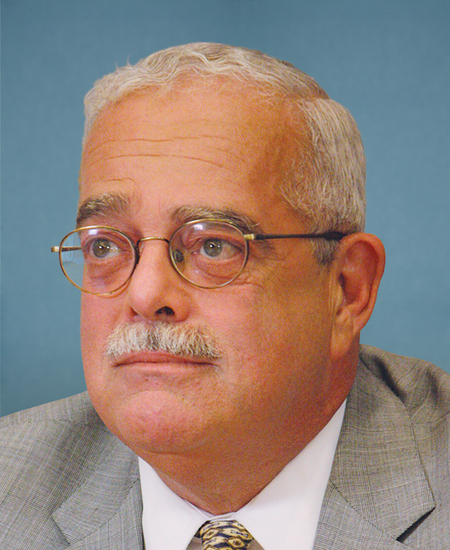
Rep. Gerald E. Connolly
Sponsored bills
This concurrent resolution expresses the sense of Congress that all trade agreements the United States enters into with a foreign country should provide reasonable collaboration with that country for the purpose of search, investigation, and recovery activities for U.S. personnel missing and unaccounted for from prior wars or military conflicts.
Maddy summaryHJRES 89 requires the President to obtain Senate approval (with a two-thirds vote) or new congressional legislation to suspend, terminate, or withdraw from the North Atlantic Treaty (NATO). It prohibits using federal funds for such actions until Congress passes a two-thirds resolution or enacts a law authorizing withdrawal. The bill mandates 180-day written notification to relevant congressional committees (Foreign Affairs and Foreign Relations) before any withdrawal action and authorizes Congress to sue to block unilateral executive moves. This directly affects the executive branch's ability to act unilaterally on NATO membership, reinforcing congressional oversight of treaty obligations.
Maddy summaryThe No Tax Breaks for Union Busting Act would deny tax deductions for employers who attempt to influence employees' decisions about union activities, including unfair labor practices like firing workers for organizing or using captive audience meetings. It targets expenses related to union-busting tactics, such as consulting fees and other costs used to sway workers' opinions about collective bargaining. Employers would need to report these expenses on tax returns and would no longer be able to deduct them from taxable income. The bill aims to prevent employers from using tax-deductible expenses to influence union elections, aligning with existing rules that deny tax deductions for political spending. It would apply to expenses incurred in taxable years beginning 240 days after enactment.
Maddy summaryHR 5477, the Keep STEM Talent Act of 2023, modifies U.S. immigration rules to support foreign students pursuing advanced degrees in STEM fields. It requires these students to apply for admission before starting their program and adds enhanced background checks and credential verification for visa processing. The bill creates a new pathway to permanent residency for STEM graduates who earn a master’s or higher degree at a U.S. university, secure a qualifying job paying above median wages, and obtain approved labor certification. It also allows F-1 students in STEM fields to pursue permanent residency while on student visas ("dual intent"), without changing existing visa rules for non-STEM students. This directly affects foreign graduate students in STEM disciplines and their families seeking long-term U.S. work authorization.
Maddy summaryHR 5433, the Child Care Stabilization Act, provides $16 billion annually from 2024 to 2028 to stabilize the child care sector through grants administered by the Health and Human Services Secretary. It directly affects licensed child care providers by offering stable funding to cover operating costs, while supporting higher wages for early educators without raising family fees. Key provisions include expanding access to high-quality, affordable care - especially for infants/toddlers, rural communities, and children with disabilities - and addressing shortages in underserved areas. The funding builds on existing American Rescue Plan resources, aiming to strengthen the child care workforce and increase available options for working families.
Maddy summaryHR 5428, the No Tax Breaks for Union Busting (NTBUB) Act, prevents employers from deducting certain expenses related to influencing workers' decisions about union representation. It targets spending on tactics like anti-union meetings, workplace surveillance, or consultants during organizing campaigns, making these costs non-deductible for tax purposes. Employers must report such expenses on their tax returns, including details about the activities and amounts spent. The bill aims to remove tax incentives for employer interference in union elections, aligning with federal labor law protections for workers' collective bargaining rights.
Maddy summaryHR 3152, the "Fight CRIME Act," aims to maintain international restrictions on Iran's missile-related activities by requiring diplomatic efforts to extend these restrictions before they expire in October 2023. The bill mandates annual reports detailing U.S. diplomatic strategies, potential impacts of expiration, and measures to deter missile technology transfers to Iran. It establishes sanctions against foreign individuals or entities that knowingly support Iran's missile or drone programs, including asset freezes and visa restrictions. These sanctions apply regardless of whether UN restrictions remain in effect after their expiration, directly affecting foreign entities involved in these activities.
Maddy summaryHRES 492 is a congressional resolution condemning the Iranian government's systematic persecution of the Baha'i minority, which directly affects Baha'is in Iran facing arrests, property confiscation, and imprisonment. The resolution specifically calls for Iran to immediately release Baha'is detained for their faith, end state-sponsored hate propaganda against them, and reverse discriminatory policies denying equal access to education, employment, and religious freedom. It urges the U.S. President and Secretary of State to demand Iran’s compliance with international human rights treaties and to use existing sanctions authorities (under the 2010 and 2012 Iran sanctions laws) against officials responsible for these abuses. The resolution does not impose new legal requirements but serves as a formal U.S. government statement of condemnation and a call for diplomatic and sanctions action.
Maddy summaryHR 4277, the Saving America’s Pollinators Act of 2023, would immediately cancel all registrations for neonicotinoid pesticides (including imidacloprid and clothianidin) and ban their sale, use, and future registration. This directly affects farmers and crop producers who currently use these pesticides on over 150 million acres of crops like corn and soybeans, where seed coatings are widely applied. The bill also ends exemptions for seed-treated pesticides and requires the Environmental Protection Agency to revoke tolerances for pesticide residues in food within six months. Additionally, it mandates the U.S. Fish and Wildlife Service’s newly established Center for Pollinator Conservation to monitor native bee populations and coordinate federal actions to reverse pollinator declines.