

Maddy summaryThis bill makes it illegal to intimidate election workers while they perform duties like vote counting, tabulation, or certification during federal elections. It creates a legal presumption that carrying visible firearms (including realistic replicas) near voters or election workers constitutes intimidation, unless proven otherwise. The law applies to actual firearms, imitation firearms, and antique firearms that could reasonably be mistaken for real weapons. Courts can also impose temporary restrictions on firearm carrying in related cases to protect election workers and voters.
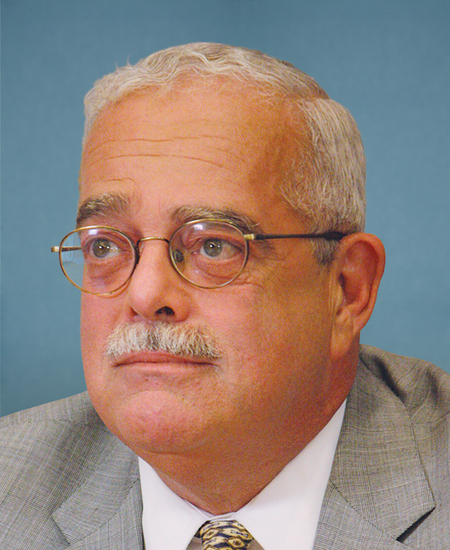
Rep. Gerald E. Connolly
Sponsored bills
Maddy summaryHR 1719, the Honoring Our Fallen Heroes Act of 2023, establishes a presumption that certain cancers diagnosed in public safety officers (like police and firefighters) are work-related if linked to their duties. It defines 22 specific cancers (including lung, mesothelioma, and WTC-related cancers) as "exposure-related," allowing officers or their families to receive benefits without proving direct work connection, provided they were diagnosed within 15 years of leaving active service. The bill also creates a process for adding new cancers to the list based on scientific evidence, requiring the Bureau to review petitions and make decisions within 180 days. This applies to deaths or disabilities occurring on or after January 1, 2023, directly affecting officers who developed covered cancers during service.
Maddy summaryHCONRES 130 is a symbolic concurrent resolution commending state and local governments that treat reproductive rights as human rights following the *Dobbs* decision. It recognizes efforts by cities like Austin, Texas, and Montgomery County, Maryland, to expand abortion access and condemn criminalization of pregnancy outcomes. The resolution affirms that reproductive rights are human rights, urges states to repeal restrictive laws, and references U.S. obligations under international human rights treaties. As a non-binding resolution, it does not create new laws or alter existing policies.
Maddy summaryHR 6319 (the 911 SAVES Act of 2023) requires the Office of Management and Budget to reclassify public safety telecommunicators as "Protective Service Occupations" within 30 days of enactment. This change corrects their current misclassification in the federal Standard Occupational Classification (SOC) system, which is used for statistical data on jobs. The bill directly affects how these professionals - critical in emergency calls involving missing children, active threats, and officer safety - are officially categorized in government workforce data. It does not create new benefits or funding but aims to better recognize their lifesaving role through accurate federal job classification.
Maddy summaryThis bill creates a new occupational category (code 31-1123) within the federal Standard Occupational Classification system specifically for direct support professionals (DSPs) who assist people with intellectual or developmental disabilities. It directly affects DSPs, state agencies, and federal data collectors by reclassifying their work - currently grouped under home health aides - into a distinct category. The key mechanism is revising the SOC system to better track DSP workforce data, address high turnover rates (43% nationally), and recognize their unique role in promoting clients' independence and community inclusion. This change aims to improve data accuracy for addressing staffing challenges, without altering service delivery or benefits.
Maddy summaryHR 9650 requires federal agencies to purchase WaterSense-labeled water-efficient products (like fixtures or appliances) when procuring water-consuming items, unless cost or availability prevents it. It establishes an EPA grant program to provide rebates or incentives for households to buy WaterSense products, prioritizing low- and middle-income families through eligible entities like state governments or utilities. The bill also makes these rebates non-taxable income for individuals and expands existing tax exclusions for water conservation measures. These changes directly affect federal agencies, local governments, and households purchasing water-efficient products.
Maddy summaryThis bill modifies Medicaid and CHIP rules to let eligible out-of-state healthcare providers enroll without extra state screening. It applies to providers already in Medicare or their home state program, with low fraud risk, serving children under 21 with complex medical conditions. Providers would receive 5 years of enrollment under this streamlined process, eliminating state-level barriers. The change directly affects children seeking specialized care across state lines and the providers who serve them.
Maddy summaryHRES 1448 is a non-binding House resolution stating that the House believes every person has the right to emergency health care, including abortion care, during medical emergencies. It specifically addresses concerns that abortion restrictions force medical providers to choose between treating patients in life-threatening situations or risking criminal charges. The resolution highlights that such restrictions disproportionately harm Black, Indigenous, people of color, immigrants, low-income individuals, and LGBTQI+ patients. It does not change existing laws but expresses congressional support for ensuring access to emergency care without legal barriers. The resolution was introduced by multiple House members and referred to the Energy and Commerce Committee.
Maddy summaryThe STOP Fraud Act of 2024 establishes a Federal Real Anti-fraud Unified Directorate (FRAUD) within the Office of Management and Budget to coordinate federal fraud prevention efforts across agencies. It requires agencies to implement "proactive analytics" for programs with high risk of improper payments (those with over $100 million in annual payments or $1.5 billion in outlays) and mandates regular reporting on fraud prevention effectiveness. The bill creates a $1 billion Program Integrity Fund to support agencies in implementing anti-fraud measures like digital identity verification and threat intelligence analysis. This law directly affects federal agencies administering high-risk programs, requiring them to adopt new fraud prevention protocols and report on their implementation and cost savings.
Maddy summaryThe CREATE AI Act of 2023 establishes a National Artificial Intelligence Research Resource (NAIRR) to improve access to AI research tools, computational resources, data, and educational materials for researchers and students across the United States. The NAIRR will provide computational resources, curated datasets, educational tools, and access to AI testbeds, with special emphasis on supporting groups historically underrepresented in STEM fields. Governed by a Steering Subcommittee chaired by the Director of the Office of Science and Technology Policy and managed by a Program Management Office within the National Science Foundation, the NAIRR includes specific requirements for ethical AI development, privacy protections, and security measures. The resource will be accessible to researchers at U.S. institutions of higher education, nonprofits, government agencies, and certain businesses, with priority given to projects addressing privacy, ethics, civil rights, and AI safety.