

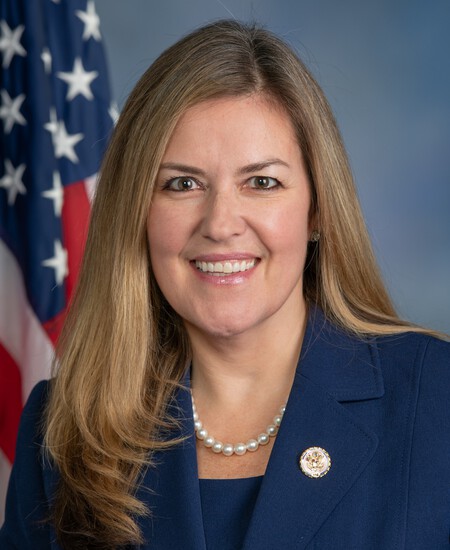
This resolution condemns Iranian state-sponsored terrorist attacks against U.S. citizens and officials and Iranian dissidents. The resolution also expresses support for the people of Iran who are legitimately defending their rights for freedom against repression and condemns the killing of Iranian protesters by the Iranian regime.
Rep. Jennifer Wexton
Sponsored bills
Maddy summaryThis bill expands paid family and medical leave for federal employees by increasing total entitlement from 12 to 26 weeks annually. It modifies existing laws to cover all federal workers (including those at the GAO, USPS, Library of Congress, and congressional staff), replacing "parental leave" with broader "family and medical leave" and adding 14 additional weeks for qualifying events like childbirth, adoption, or serious health conditions. Employees who already used paid leave under other programs will have their new entitlement reduced by the days already taken. The changes apply immediately to most federal employees, with specific timelines for agencies like the Veterans Affairs Department and District of Columbia courts.
Maddy summaryHR 770, the ESP Family Leave Act, amends the Family and Medical Leave Act (FMLA) to create specific eligibility rules for education support professionals and school support staff in public schools and public higher education institutions. It changes the standard FMLA work-hour requirement (1,250 hours) to a new threshold: these workers qualify if they've worked at least 60% of their expected monthly hours for the previous school year. Employers must maintain records of each employee's expected monthly hours, and the bill defines "education support professionals" to include roles like paraeducators, secretaries, custodians, food service workers, security staff, and health support staff. The bill directly affects these support staff members, making it easier for them to qualify for FMLA leave under the revised hours calculation.
This resolution states that the House of Representatives condemns the February 1, 2021, military coup in Burma (Myanmar) and denounces the Burmese military for human rights violations. The resolution calls on the Burmese military to end violence against prodemocracy activists and release political prisoners.
Maddy summaryHR 715, the Bipartisan Background Checks Act of 2023, requires background checks for all firearm transfers between private individuals, not just those through licensed dealers. It mandates that unlicensed sellers must involve a licensed dealer to conduct a background check before transferring a firearm, with exceptions for family transfers (like spouses or parents/children), law enforcement, temporary safety transfers, and certain hunting or range activities. The bill also requires licensed dealers to provide a notice and certification form in both English and Spanish to buyers. It explicitly states it won't create a national gun registry or override state laws on the same topic. The law would take effect 180 days after enactment.
Maddy summaryHR 660, "Ethan's Law," requires gun owners in homes where minors (under 18) or individuals prohibited from owning firearms under federal/state law reside to store firearms securely. It makes unsecured storage unlawful if a minor or prohibited person could access the firearm, with fines of $500 per violation and enhanced penalties (up to 5 years in prison) if injury or death occurs. The bill also establishes a federal grant program to help states implement similar secure storage laws and provides funding incentives for states that already have such laws in place.
Maddy summaryThis bill prohibits the possession, sale, or transfer of most large-capacity ammunition magazines (holding more than 15 rounds) for the general public, while exempting law enforcement officers (including campus security officers), retired officers, and certain licensed entities like nuclear facility security. It requires new magazines manufactured after enactment to have serial numbers and manufacturing dates, and allows federal grant funds to support buy-back programs for these devices. Existing owners of such magazines lawfully possessed before the law's enactment are exempt from the prohibition. The law applies to devices not already covered under current exemptions for law enforcement, nuclear security, and retired officers.
Maddy summaryHCONRES 7 is a symbolic resolution passed by the U.S. House of Representatives that commends Iranian protesters - particularly women - who have risked safety to demonstrate against the Iranian regime's human rights abuses, including the mandatory hijab law and violent crackdowns following Mahsa Amini's death. It condemns the regime's use of violence (reportedly killing over 450 protesters) and detention of activists, while urging the Biden Administration to impose additional human rights sanctions on officials involved in repression and support internet freedom tools to bypass Iranian censorship. The resolution makes no binding policy changes but formally expresses congressional support for protesters' demands for freedom, justice, and an end to discriminatory laws targeting women. It does not directly affect any U.S. laws or policies but serves as a statement of U.S. position.
Maddy summaryThis bill adjusts federal employee pay rates for 2024. It increases basic pay for all federal workers under statutory pay systems and prevailing rate systems by 4.7%, and raises locality pay adjustments by 4.0%. These changes directly affect all federal employees covered by the specified pay systems, including those in wage areas and under sections 5348/5349 of Title 5. The bill implements these raises without altering existing pay system structures or requirements.
Maddy summaryHR 286, the Health Care Providers Safety Act of 2023, provides federal grants to healthcare providers to improve security at their facilities. The bill authorizes the Secretary to fund security services and physical/cyber security enhancements, including video surveillance, data privacy measures, and structural improvements. These grants directly help healthcare facilities, personnel, and patients by addressing safety concerns. The law specifies that funds must be used for necessary security costs to ensure safe access to healthcare services. It does not create new mandates but offers financial support for security upgrades.