

Maddy summaryThis bill protects living organ donors from insurance discrimination by prohibiting life, disability, and long-term care insurers from denying coverage, raising premiums, or altering policy terms solely because someone donated an organ while alive. It also updates the Family and Medical Leave Act to include recovery from organ donation surgery as a qualifying health condition, allowing donors to take protected leave for this purpose. Additionally, the bill requires the Health and Human Services Secretary to update public educational materials about living donation benefits, risks, and insurance protections within six months of enactment. These changes directly affect living organ donors, insurers, employers, and healthcare systems by ensuring fair access to insurance and workplace leave.
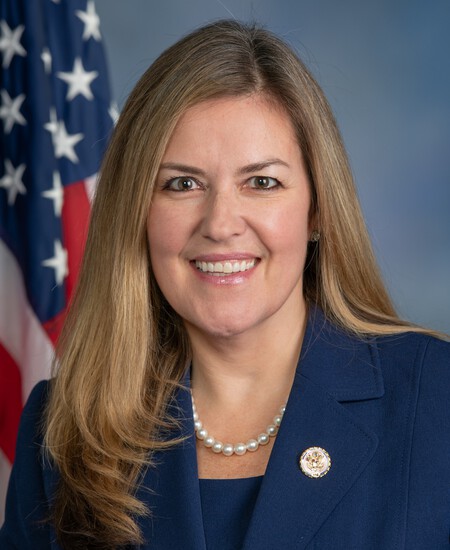
Rep. Jennifer Wexton
Sponsored bills
Maddy summaryThe PSLF Payment Completion Fairness Act (HR 2949) amends the Higher Education Act to clarify eligibility for the Public Service Loan Forgiveness (PSLF) program. It revises Section 455(m)(1)(B) by removing the phrase "is employed" and related text, replacing it with "has been" to focus solely on payment completion. This change ensures borrowers qualify for loan forgiveness once they've made 120 qualifying payments, regardless of current employment status. The bill directly affects federal student loan borrowers working in public service jobs who are seeking loan forgiveness under the PSLF program.
Forced Arbitration Injustice Repeal Act of 2023 or the FAIR Act of 2023 This bill prohibits a predispute arbitration agreement from being valid or enforceable if it requires arbitration of an employment, consumer, antitrust, or civil rights dispute.
Maddy summaryThis bill would remove time limits for filing civil and criminal cases related to child sexual abuse, exploitation, and sex trafficking, directly helping survivors who have been unable to seek justice due to expired statutes of limitations. It requires states to eliminate all civil and criminal statutes of limitations for these crimes and to revive previously time-barred civil claims, with a minimum of two years or until the victim turns 55 - whichever is longer. The bill also provides federal grants to states that adopt these reforms, with funding increasing based on how many changes they implement (e.g., 40% for states achieving all three key reforms).
Raise the Age Act of 2023 This bill establishes new restrictions on the sale or transfer of certain semiautomatic firearms to individuals under 21 years of age. Specifically, this bill makes it unlawful for a licensed gun dealer, importer, manufacturer, or collector to sell or deliver a semiautomatic center-fire rifle or semiautomatic center-fire shotgun that has (or has the capacity to accept) an ammunition feeding device with a capacity of more than five rounds to an individual who the licensee knows or has reasonable cause to believe is under age 21. The prohibition does not apply if the individual under age 21 is a full-time law enforcement officer or active-duty member of the Armed Forces. The bill also requires the Federal Bureau of Investigation to report on the operation of its public access line, including a description of information sharing protocols and recommendations for improving such protocols.
Maddy summaryThe Family Building FEHB Fairness Act (HR 2828) amends the Federal Employees Health Benefits (FEHB) program to add assisted reproductive treatment as a covered benefit for federal employees and their families. It specifically defines these treatments to include procedures like in vitro fertilization, intrauterine insemination, and the preservation of eggs, sperm, or embryos. The bill requires the Office of Personnel Management to include these services under FEHB coverage, expanding access to reproductive care for eligible federal workers. The change would take effect one year after the bill's enactment, directly affecting federal employees enrolled in the FEHB program seeking fertility-related medical services.
This bill expresses the sense of Congress that (1) medication abortion is appropriately approved and regulated under federal law, and (2) federal law preempts any in-person dispensing requirements or telehealth restrictions with respect to medication abortion under state law.
Maddy summaryHR 2771, the Portal for Appraisal Licensing Act of 2023, creates a central online system called the "Portal for Appraiser Credentialing and AMC Registration Information" to streamline licensing for appraisers and appraisal management companies (AMCs). The portal will handle license applications, renewals, background checks (via FBI access), fee payments, and education course tracking, connecting state licensing agencies with appraisers and AMCs. It directly affects appraisers, AMCs, and state licensing agencies by replacing fragmented state processes with a single, standardized system. The bill ensures states retain final authority over licensing decisions while using the portal for data sharing and administrative efficiency.
Maddy summaryHR 2785, the REEF Act, amends a 2020 law to change when certain payments from the Railroad Unemployment Insurance Account take effect. It retroactively applies changes to these payments as if they had been in place before the national emergency related to the COVID-19 pandemic ended. This directly affects railroad workers who receive unemployment benefits through this account, ensuring they receive payments under the revised timing. The bill's key change is making the effective date of these payment rules apply retroactively from before the pandemic emergency period.
American Innovation and R&D Competitiveness Act of 2023 This bill eliminates the five-year amortization requirement for research and experimental expenditures, thus allowing continued expensing of such expenditures in the taxable years in which they are incurred.