

Maddy summaryHJRES 138 is a joint resolution seeking congressional disapproval of a Centers for Medicare & Medicaid Services (CMS) rule that would have clarified eligibility for health insurance subsidies under the Affordable Care Act for Deferred Action for Childhood Arrivals (DACA) recipients and certain noncitizens. The rule, submitted on May 8, 2024, aimed to allow these individuals to access premium tax credits, cost-sharing reductions, and health plans through ACA marketplaces. This resolution, if enacted, would block the rule from taking effect under the Congressional Review Act, directly preventing DACA recipients and the specified noncitizens from qualifying for these benefits. The bill does not create new policy but halts an existing regulatory clarification.
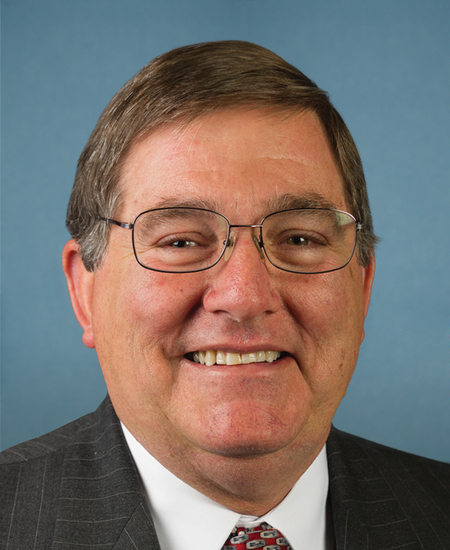
Rep. Michael C. Burgess
Sponsored bills
Maddy summaryHR 8434 designates the United States Postal Service facility at 107 North Hoyne Avenue in Fritch, Texas, as the "Chief Zeb Smith Post Office." This bill changes the official name of the physical post office location for all federal references, including laws, maps, and documents. It directly affects the postal facility in Fritch by establishing its new official designation. The bill has no policy or funding impact - it is purely a ceremonial naming resolution.
Maddy summaryThis bill strengthens oversight of administrative spending actions by requiring the Director to submit detailed waiver explanations and budgetary impact estimates to congressional Budget Committees for any executive branch action exempting spending from budget neutrality rules. It modifies the threshold for such exemptions to apply only to actions increasing direct spending by $1 billion over 10 years or $100 million in any single year. The bill also clarifies that the purpose of the administrative PAYGO rules is to maintain budget neutrality for discretionary spending decisions. These changes apply directly to federal agencies making administrative spending decisions that exceed the new thresholds. The bill repeals a sunset provision and adds new reporting requirements for budget submissions.
Maddy summaryThe Consumer Safety Technology Act (HR 4814) establishes three key requirements to enhance consumer safety through technology. It mandates the Consumer Product Safety Commission to run an AI pilot program - using artificial intelligence to track product injuries, identify hazards, and monitor recalls - reporting findings to Congress within 180 days. It directs the Commerce Secretary to study blockchain technology's potential for reducing fraud in consumer transactions, requiring a report within six months. Finally, it requires the Federal Trade Commission to submit annual reports on deceptive practices in digital token transactions and recommend legislation to improve consumer protection and foster innovation in that market.
Maddy summaryThis bill designates the U.S. Postal Service facility at 2395 East Del Mar Boulevard in Laredo, Texas, as the "Lance Corporal David Lee Espinoza, Lance Corporal Juan Rodrigo Rodriguez & Sergeant Roberto Arizola Jr. Post Office Building" to honor these three military service members. It changes the official name of the building for all government references, maps, and records, but does not alter postal services or create new policy. The bill was enacted on May 7, 2024, following passage by both the House and Senate.
Maddy summaryHR 8231, the James Earl Jones Congressional Gold Medal Act, authorizes a Congressional Gold Medal to be awarded to actor James Earl Jones in recognition of his distinguished career in theater and film, and his role in advancing inclusion and equal opportunities for people of all backgrounds in the entertainment industry. The Treasury will strike the medal with an image and inscription of Jones, and may produce and sell bronze duplicates to cover costs, with proceeds deposited into the U.S. Mint's public enterprise fund. This bill serves as a ceremonial honor with no new legal requirements or policy changes.
Maddy summaryThis symbolic resolution supports designating May 2024 as Motorcycle Safety Awareness Month. It encourages all road users to share the road safely, promotes rider education and proper protective gear, and highlights motorcycles' role in transportation. The resolution does not create new laws but expresses congressional backing for safety initiatives aimed at reducing motorcycle accidents. It directly affects motorcyclists, drivers, and safety advocates by amplifying public awareness efforts.
Maddy summaryHRES 1160 is a procedural resolution that establishes rules for the House of Representatives to consider four specific bills related to emergency funding and sanctions. It provides for 30 minutes of debate equally divided on each bill, waives points of order against consideration, and outlines amendment procedures for H.R. 8034 (Israel funding), H.R. 8035 (Ukraine funding), H.R. 8036 (Indo-Pacific assistance), and H.R. 8038 (sanctions on Russia/Iran). The resolution also facilitates the House's concurrence with a Senate amendment to H.R. 815, a veterans' care bill. This resolution does not make policy changes itself but enables the legislative process for the referenced bills. It was introduced on April 19, 2024, in the 118th Congress.
Maddy summaryThis House resolution condemns Iran's April 13, 2024 attack on Israel, which involved over 350 drones and missiles launched directly from Iran. It affirms support for Israel's right to self-defense, commends international efforts (including U.S., U.K., French, and Jordanian intercepts) that minimized damage, and calls for enforcing U.S. sanctions against Iran to disrupt its missile programs and support for proxies like Hamas and Hezbollah. As a non-binding resolution, it expresses congressional support without creating new laws or funding.
Maddy summaryHR 5947 terminates specific U.S. waivers and licenses related to Iran, ending a 2023 waiver that allowed funds transfer from South Korea to Qatar. It prohibits the Treasury Department from reissuing similar waivers or licenses for the same purpose and blocks the President from granting Iran access to certain designated financial accounts established under prior laws. The bill directly affects U.S. foreign policy implementation by restricting how Treasury handles Iran-related financial transactions. It enacts concrete policy changes by ending existing authorizations and preventing future approvals for Iran to access specific accounts.