

Maddy summaryThis bill redesignates the existing National Parks and Public Land Legacy Restoration Fund as the America's Legacy Restoration Fund to address deferred maintenance on federal lands. It directs revenue from recreation fees and a portion of energy development income into the fund, which must be used primarily for repairing critical infrastructure like roads, trails, and buildings managed by agencies such as the National Park Service and the Forest Service. The legislation establishes strict rules requiring that most funds go toward non-transportation projects, mandates transparency through public dashboards tracking project status, and sets aside a small percentage for matching private donations. Additionally, the bill increases entrance fees for foreign visitors to ensure they contribute to the fund, while prohibiting the use of these specific funds for land acquisition or employee bonuses.
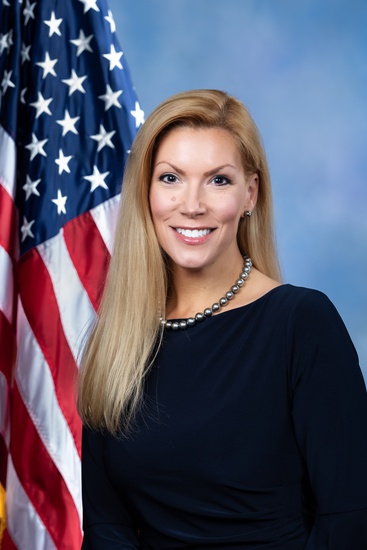
Rep. Beth Van Duyne
Sponsored bills
Maddy summaryThe Small Business and Consumer Credit Act of 2026 changes how certain financial institutions can use tax losses to offset future profits. It allows these banks to carry forward net operating losses for up to 20 years, with additional rules allowing them to carry losses back to previous years starting in 2028. The law specifically applies to independent banks and certain affiliated groups, requiring them to make an irrevocable election on their tax returns to use these new provisions.
Repealing Big Brother Overreach Act This bill repeals the Corporate Transparency Act. The act requires existing companies and newly created companies to report beneficial ownership information to the Department of the Treasury’s Financial Crimes Enforcement Network for purposes of addressing the financing of terrorism and money laundering.
Maddy summaryThis bill establishes the Lone Star Coastal National Recreation Area as a unit of the National Park System to protect the natural, cultural, and recreational resources along the Texas Gulf Coast. The area would be created only after the Secretary of the Interior acquires sufficient land through voluntary means such as donations, purchases from willing sellers, or exchanges, with no use of condemnation. A new partnership involving federal, state, local, and private stakeholders will develop a management plan that coordinates activities across both federally owned lands and participating private or state lands. The legislation ensures that private landowners retain their rights and that existing economic activities like hunting, fishing, and oil and gas operations continue without new regulations, while allowing the National Park Service to provide technical assistance and interpretive services.
Maddy summaryHR 2675, the Protecting Our Courts from Foreign Manipulation Act of 2025, requires parties and their lawyers in federal civil cases to disclose any foreign funding tied to case outcomes. It mandates written disclosure of foreign funders' identities (including country of origin) and certification about funding sources, while banning foreign states or sovereign wealth funds from funding litigation. The law also requires annual reports to Congress detailing foreign-funded cases, including amounts and jurisdictions. This directly affects parties using foreign-funded litigation, courts handling such cases, and foreign entities seeking to influence U.S. courts through financial support.
Maddy summaryThe No Safe Haven for Terrorist Families Act expands U.S. immigration rules to bar close relatives of designated terrorists, senior officials of hostile foreign governments, and sanctioned corrupt leaders from entering or remaining in the country. It defines these "covered family members" to include spouses, children, parents, siblings, grandparents, grandchildren, and nieces or nephews of the listed threat actors, applying the ban retroactively to existing relationships. The bill mandates that visas issued to these individuals be revoked and that they face deportation without eligibility for most forms of legal relief, such as cancellation of removal. To enforce these measures, government agencies must implement new screening procedures within 180 days and submit annual reports detailing the number of inadmissibility determinations, visa revocations, and removals.
Maddy summaryThe CREATOR Act establishes a new federal intellectual property right that allows visual artists to control the commercial use of their distinctive visual style. This right applies specifically to works created using artificial intelligence that are intentionally designed to imitate an artist's style and marketed in a way that could mislead viewers about the work's origin. The law protects this right for the artist's lifetime and for up to 50 years after their death, while explicitly excluding general artistic influence, parody, and the mere capability of AI systems to produce similar outputs. Online platforms are granted safe harbors from liability if they remove flagged content promptly upon receiving valid notices, and the Act includes provisions to prevent abuse through penalties for false claims.
Maddy summaryThe Healthcare Freedom and Fairness Act allows groups of individuals to form "health marketplace pools" that are legally treated as employers for the purpose of offering group health insurance. These pools must be established in good faith without discriminating against members based on their health status and must offer the same coverage options to all participants. The bill permits these pools to provide plans that include prescription drugs or, in some cases, only drug coverage, while also allowing them to offer administrative services like billing and enrollment. By redefining these pools as employers under existing federal law, the legislation aims to facilitate the creation of private health insurance arrangements that operate outside traditional employer-employee relationships.
Maddy summaryThis bill strengthens oversight of Medicare hospice programs and home health agencies to prevent fraud and ensure quality care. It requires more frequent inspections for newly enrolled or recently changed agencies and mandates stricter screening for applicants in high-risk areas, including fingerprinting and proof of insurance. The legislation also adjusts financial penalties for failing to submit quality data and requires accreditation organizations to meet higher training and survey standards. Additionally, the bill improves patient communication by mandating clearer notices when individuals enroll in hospice care and establishes a five-year reporting requirement to track enforcement actions against these providers.
Maddy summaryThis bill would add pharmacist services to Medicare Part B coverage for beneficiaries, specifically covering pharmacist-led testing and treatment for illnesses like flu, COVID-19, or strep throat during public health emergencies. It defines covered services as those performed under state law, often requiring collaboration with a physician, and sets payment at 80% of the lesser of the actual charge or 85% of physician payment rates. Pharmacists would be prohibited from balance billing for these services, ensuring Medicare beneficiaries pay only their standard copayment. The changes would take effect January 1, 2026.