

Maddy summaryHR 4721, the Main Street Tax Certainty Act, makes a permanent the 20% tax deduction for eligible small business owners under Section 199A of the tax code. This provision directly affects pass-through business owners (like S-corps, partnerships, and sole proprietorships) who qualify for the deduction. The bill achieves this by removing the temporary expiration language (subsection (i)) from the existing tax code provision. The key change is ending the need for annual congressional extensions of this deduction, providing long-term tax certainty for small businesses.
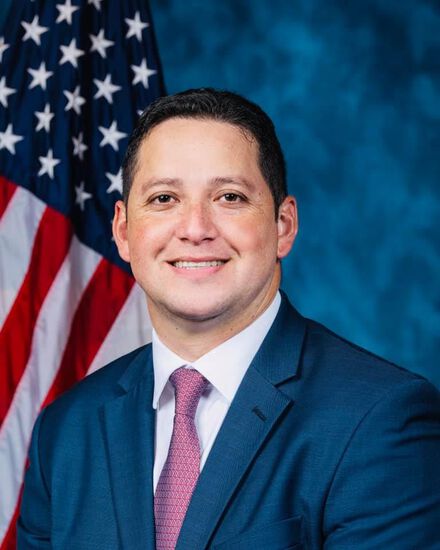
Rep. Tony Gonzales
Sponsored bills
Maddy summaryHR 2768, the PFC Joseph P. Dwyer Peer Support Program Act, establishes a VA grant program to fund peer-to-peer mental health support for veterans. It provides up to $250,000 per grant to eligible nonprofits, veteran service organizations, or state/local Tribal agencies to create programs where veterans serve as peer specialists offering 24/7 nonclinical support. The program requires adherence to VA-developed standards for volunteer training and service delivery, while prohibiting the collection of veterans' personally identifying information. The bill authorizes $25 million over three years to implement this initiative, directly benefiting veterans seeking accessible mental health assistance through peer networks.
Maddy summaryHR 1774, the VA Emergency Transportation Act, expands VA benefits to cover emergency transportation for veterans. It amends existing law to replace "emergency treatment" with "emergency services" throughout, explicitly including ambulance or air ambulance transport as covered services. This means veterans needing emergency transport to or from a medical facility (to receive treatment) can now have those costs reimbursed by the VA. The bill directly affects veterans who require urgent medical transport, clarifying that such transportation is part of their covered VA benefits.
Maddy summaryHR 1639 establishes a 5-year pilot program at five VA medical centers to implement the Zero Suicide Institute's curriculum, aiming to improve suicide care for veterans. The program requires participating sites to train staff on standardized suicide screening, assessment, treatment protocols, and safety planning over ten weeks, with one site specifically serving rural veterans. It mandates annual reporting to Congress on staff training completion, policy alignment with the Institute's standards, and comparisons of suicide-related outcomes (like screening rates and hospitalizations) between pilot sites and other VA facilities. This directly affects veterans receiving care at the selected VA medical centers by changing how suicide risk is managed within their treatment.
Maddy summaryThis bill, HR 1282 (Major Richard Star Act), expands benefits for certain military retirees by allowing them to receive both veterans' disability compensation and military retirement pay simultaneously. It specifically affects combat-related disabled retirees under Chapter 61 of the military retirement system who have fewer than 20 years of service. The key change removes the automatic reduction of military retirement pay when these retirees also receive disability compensation, as amended in Section 1413a(b)(3) of Title 10. Technical updates to the law’s structure and effective date (starting after enactment) complete the provisions.
Protecting Kids from Fentanyl Act of 2023 This bill permits the use of the Preventive Health and Health Services Block Grant to address fentanyl in educational institutions. Specifically, grant funds may be used to (1) purchase naloxone or other opioid overdose reversal drugs for educational institutions, (2) train school nurses and other personnel on how to administer them, and (3) provide fentanyl awareness classes or materials to students.
Maddy summaryThe Afghan Adjustment Act creates a pathway for certain Afghans who directly supported U.S. missions in Afghanistan during the 20-year U.S. military presence to adjust to lawful permanent resident status (green card holders). It specifically targets Afghans who worked with U.S. forces or agencies, including military personnel, security personnel, and their families, who received "Chief of Mission approval" for special immigrant status. Key provisions include new vetting requirements (in-person interviews and biometric screening), exemption from immigration numerical limits, $20 million annually for implementation, and a task force to develop resettlement strategies. The bill also establishes a new category of special immigrant visas for at-risk Afghan allies and sets a two-year application deadline after guidance is published.
Maddy summaryThis bill prohibits U.S. federal agencies from entering new contracts with companies that boycott Israel after January 1, 2024. Companies must certify they are not boycotting Israel at contract signing, and contracts must include this prohibition. It applies to federal contracts over $100,000 for services or IT with companies employing more than 10 people. If a company violates the boycott prohibition, the agency must terminate the contract after 30 days unless the company ends the boycott. The bill explicitly states it does not infringe on First Amendment rights or take sides on the Israeli-Palestinian conflict.
Maddy summaryHR 4355, the Rural Veterinary Workforce Act, modifies the Internal Revenue Code to exclude certain loan repayment or forgiveness assistance from taxable income. It specifically adds programs under the National Agricultural Research, Extension, and Teaching Policy Act of 1977 and similar state initiatives - designed to boost veterinary services in rural areas - to the list of tax-exempt benefits. This directly affects veterinary students participating in these state or federal programs who work in underserved rural communities. The change takes effect for assistance received in taxable years beginning after December 31, 2023.
Maddy summaryHR 4335, the VA Loan Informed Disclosure Act of 2023, requires mortgage lenders to include specific information about VA home loan programs in standard mortgage disclosures. The bill amends the National Housing Act to mandate that lenders provide details on VA loans (guaranteed under Title 38) alongside other loan options, including assumptions about prevailing interest rates. This change directly affects lenders processing VA-guaranteed mortgages, ensuring borrowers receive clearer comparisons between VA loans and other financing. The law does not require lenders to verify borrower eligibility for VA loans, only to include the specified disclosure language.