

Maddy summaryThis bill extends Medicare payment adjustments for physicians and other practitioners through 2025 instead of ending in 2024. It specifically adds a 4.73% payment increase for services provided between January 1, 2025, and January 1, 2026. The legislation modifies existing Medicare payment rules to stabilize practice revenues during transition periods. It directly affects doctors and healthcare providers who bill Medicare for patient services. The key change is the extended timeframe and the defined 4.73% rate for the 2025-2026 period.
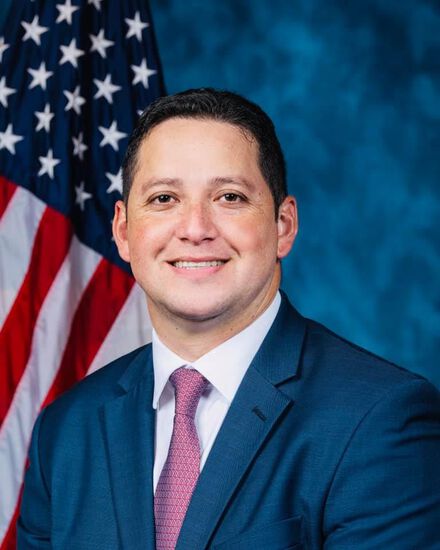
Rep. Tony Gonzales
Sponsored bills
Maddy summaryHR 9125, the Patient Access to LTCH Care Act, adjusts Medicare payments for long-term care hospitals (LTCHs) treating patients with complex medical conditions. It increases payment rates by 5% or 10% for LTCHs based on the number of major complications or comorbidities a patient has, with specific thresholds tied to Medicare coding. The bill also sets annual caps on payment increases ($50,000 for 2025-2026, 110% of prior year for later years) and creates exceptions to ensure patients with severe wounds, specific diagnoses (like septicemia or pulmonary issues), or post-COVID care receive appropriate coverage. This directly affects LTCHs and Medicare beneficiaries with high-acuity conditions requiring specialized care.
Maddy summaryThis bill requires Medicare Advantage plans to implement electronic prior authorization systems by 2027 and publish detailed data on their approval and denial rates for medical services by 2026. It directly affects Medicare Advantage plans (private insurers offering Medicare coverage) and their enrollees (seniors 65+), mandating transparency about prior authorization decisions, processing times, and appeal outcomes. Key provisions include requiring plans to report annual statistics on request approvals/denials, average processing times, and use of technology, with this data published publicly by the Centers for Medicare & Medicaid Services. The bill also sets timelines for plan responses to prior authorization requests and mandates reports to Congress on implementation and impacts.
Maddy summaryHR 8150 streamlines maintenance for U.S. Customs and Border Protection (CBP) at federal ports of entry by allowing small repair projects (up to $300,000) without lengthy approval processes. It requires CBP to establish and publish clear procedures for these projects, including project types and tenant impact plans, with annual adjustments tied to inflation. The bill directly affects CBP operations at ports where they conduct field activities, enabling faster upkeep of existing infrastructure. Annual reports to Congress must detail all projects, their costs, funding sources, and any budget transfers related to these maintenance efforts.
Maddy summaryThe Maximum Pressure Act (HR 6114) is a legislative proposal that would maintain and expand U.S. sanctions against Iran. The bill would codify existing sanctions, require Iran to meet 12 specific conditions before sanctions could be lifted (including ending support for terrorism, releasing hostages, and ending nuclear enrichment), and expand sanctions on Iran's Revolutionary Guard Corps and missile programs. It also establishes new reporting requirements for the U.S. government to monitor Iran's activities and the impact of sanctions. The legislation would require congressional review before any sanctions could be lifted or modified, preventing the executive branch from unilaterally easing restrictions.
Maddy summaryThis bill, HR 5796, prohibits the Department of Health and Human Services from implementing a proposed rule requiring minimum staffing levels in nursing homes. It creates an advisory panel of 15 members - including rural nursing home staff and experts - to study workforce shortages and report on access barriers for seniors, especially in rural areas. The panel must submit an initial report within 60 days, analyzing staffing challenges and recommending solutions to strengthen the nursing home workforce. These provisions directly aim to prevent nursing home closures (like the 129 that occurred in 2022) that threaten rural seniors’ access to care.
Maddy summaryThis bill removes geographic restrictions on Medicare telehealth services, allowing rural beneficiaries to receive care at home or remotely starting January 1, 2025. It specifically expands access for critical access hospitals and rural health clinics by standardizing payments for telehealth services and permitting audio-only visits for certain providers like doctors and clinics with established patient relationships. The bill also extends Medicare flexibilities for Federally Qualified Health Centers (FQHCs) and rural health clinics beyond 2024. These changes aim to improve healthcare access in underserved rural communities by removing prior barriers to telehealth.
Maddy summaryThe LPOE Modernization Trust Fund Act (HR 3135) establishes a trust fund to modernize U.S. land border ports of entry. It is funded by 25% of certain immigration and border fees (like the immigrant user fee and land border inspection fees), plus up to $1.6 billion from existing customs processing fees. Funds must be used for specific infrastructure projects: building new ports, expanding existing facilities, purchasing inspection technology, repairing infrastructure, and hiring CBP staff. The bill requires annual reports on fund usage and creates an oversight board with industry and government representatives to prioritize projects.
Maddy summaryThe Border Reinforcement Act of 2023 requires the immediate resumption of border wall construction along the US-Mexico border using previously allocated funds, with annual goals to complete 200 miles of wall until operational control is achieved. It mandates a comprehensive 5-year technology investment plan for border security systems, including surveillance and detection technology, and sets staffing requirements for U.S. Border Patrol, including a target of 22,000 full-time equivalent agents by 2025. The bill also requires U.S. Customs and Border Protection to publish monthly operational statistics on border encounters, drug seizures, and other border security metrics. Additionally, it includes provisions for DNA collection at land borders, eradication of certain vegetation impeding border security, and a report on Mexican cartels as potential foreign terrorist organizations.
Maddy summaryHR 2474, the "Strengthening Medicare for Patients and Providers Act," changes how Medicare pays physicians for services. It replaces the previous two-part payment system (used through 2025) with a single annual payment rate update starting in 2024. This update will be based on the Medicare Economic Index (MEI), which tracks costs for medical providers. The change directly affects Medicare-certified doctors and clinics who receive payments under the physician fee schedule.