HR 8150 United States House · 118th Congress

Reducing Excessive Vetting Authorities to Maintain our Ports Act

HR 8150 streamlines maintenance for U.S. Customs and Border Protection (CBP) at federal ports of entry by allowing small repair projects (up to $300,000) without lengthy approval processes. It requires CBP to establish and publish clear procedures for these projects, including project types and tenant impact plans, with annual adjustments tied to inflation. The bill directly affects CBP operations at ports where they conduct field activities, enabling faster upkeep of existing infrastructure. Annual reports to Congress must detail all projects, their costs, funding sources, and any budget transfers related to these maintenance efforts.
Bill status passed 3 of 5 stages cleared
Introduction
Apr 2024
Committee Review
Dec 2024
House Passage
Dec 2024
Senate Passage
President
Introduced Apr 29, 2024 Last action Dec 17, 2024
Maddy AI version diff · 1 comparison

What changed between versions

Introduced in House → Engrossed in House · 5 edits · Dec 16, 2024
MODERATE
The engrossed version of HR 8150 (REVAMP Act) removes the annual inflation adjustment mechanism for the $300,000 maintenance project threshold, adds a specific statutory override of section 3305 of title 40, and broadens the required output from 'procedures' to 'guidance and procedures.' The most significant substantive change is the elimination of the CPI-based annual adjustment, which means the $300,000 cap will remain fixed in nominal dollars rather than increasing with inflation.
FISCAL

The annual Consumer Price Index adjustment for the $300,000 project cost threshold was entirely removed. The original bill required the Commissioner to adjust the dollar amount each year based on CPI-U changes; the engrossed version omits this, leaving the cap at a fixed $300,000.

TECHNICAL

Added the phrase 'Notwithstanding section 3305 of title 40, United States Code' to explicitly override federal buildings management authority, clarifying that CBP's maintenance authority operates independently of that statute.

Added a short title section designating the bill as the 'Reducing Excessive Vetting Authorities to Maintain our Ports Act' or 'REVAMP Act,' a standard step in the House legislative process upon engrossment.

REQUIREMENT

Changed all references from 'procedures' to 'guidance and procedures,' expanding what the Commissioner must establish and publish in the Federal Register beyond just procedural steps to include broader guidance documents.

SCOPE

Narrowed the geographic scope language from 'at any Federal Government-owned port of entry where' to 'in the physical space at any Federal Government-owned port of entry at which,' more precisely limiting the authority to the physical space of the port rather than potentially broader areas.
Floor votes

How they voted

This bill passed the House by voice vote (no roll call recorded).
Full legislative history

Actions timeline

Total actions
16
Key actions
5
Committee
6
Amendments
3
Dec 16, 2024
Introduced
On motion to suspend the rules and pass the bill, as amended Agreed to by voice vote. (text: CR H7209-7210)
lower
Dec 16, 2024
Lower · Passed
Passed/agreed to in House: On motion to suspend the rules and pass the bill, as amended Agreed to by voice vote. (text: CR H7209-7210)
lower
Dec 16, 2024
Introduced
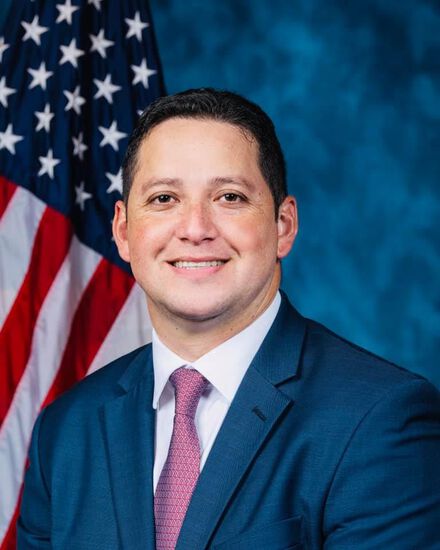
Mr. Gonzales, Tony moved to suspend the rules and pass the bill, as amended.
lower
Dec 6, 2024
Lower · Passed
Committee on Ways and Means discharged.
lower
Dec 6, 2024
Lower · Passed
Reported (Amended) by the Committee on Homeland Security. H. Rept. 118-824, Part I.
lower
Jun 12, 2024
Introduced
Ordered to be Reported (Amended) by Voice Vote.
lower
Jun 12, 2024
Lower · Passed
Committee Consideration and Mark-up Session Held
lower
Jun 12, 2024
Lower · Passed
Subcommittee on Border Security and Enforcement Discharged
lower
Apr 29, 2024
Committee
Referred to the Subcommittee on Border Security and Enforcement.
lower
Apr 29, 2024
Committee
Referred to the Committee on Homeland Security, and in addition to the Committee on Ways and Means, for a period to be subsequently determined by the Speaker, in each case for consideration of such provisions as fall within the jurisdiction of the committee concerned.
lower
Apr 29, 2024
Introduced
Introduced in House
lower
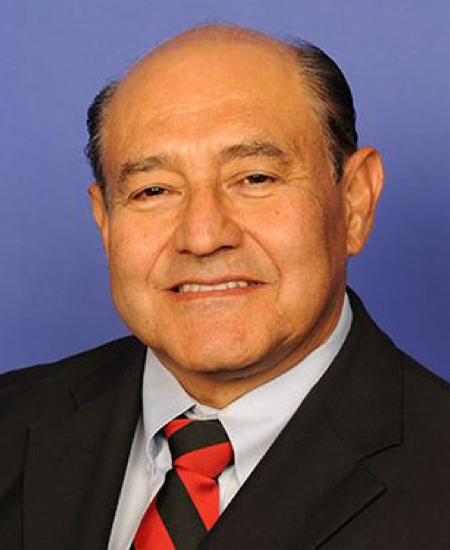
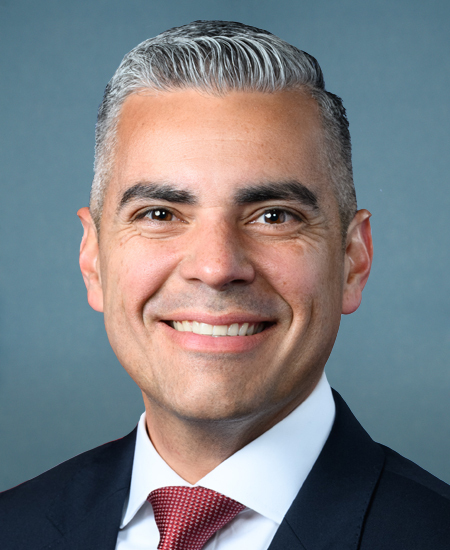
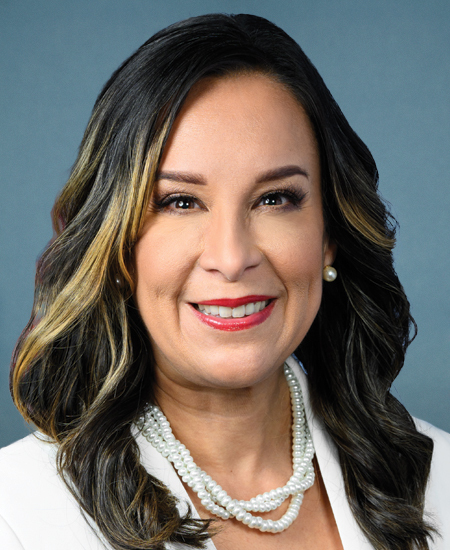
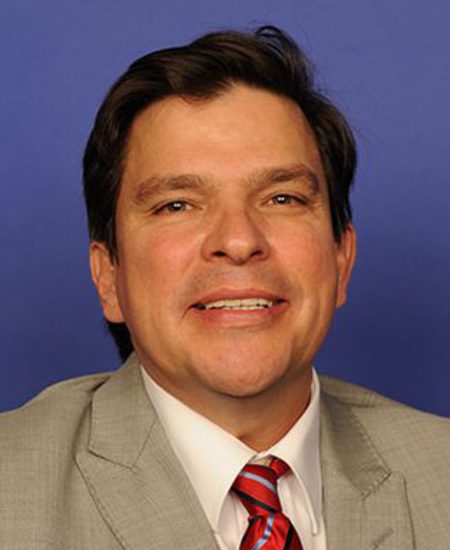
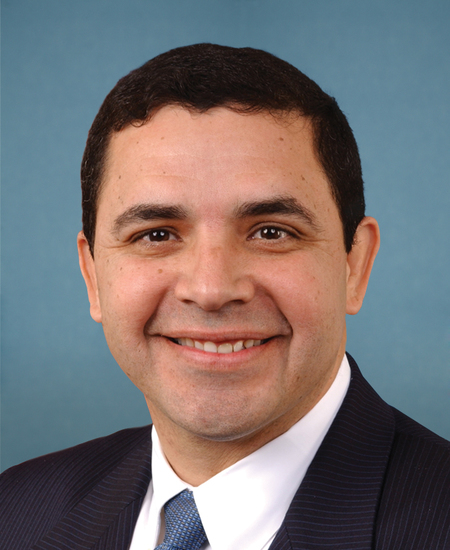
1 primary · 5 co-sponsors

Sponsors