

Maddy summaryThis bill establishes research programs to study health impacts of cosmetic chemicals on communities of color and professional salon workers. It requires manufacturers to provide translated safety data sheets for professional cosmetics in multiple languages, including Spanish, Vietnamese, Chinese, and Korean. The bill funds two resource centers: one focused on beauty justice for communities of color and another specifically for salon worker health and safety. It also allocates funds for research into developing safer cosmetic alternatives, particularly for products marketed to women and girls of color and used by salon workers.
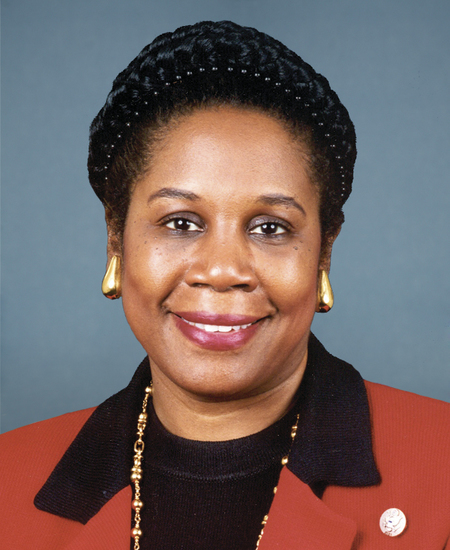
Rep. Sheila Jackson Lee
Sponsored bills
Cosmetic Fragrance and Flavor Ingredient Right to Know Act of 2023 This bill imposes disclosure and labeling requirements on cosmetic products that contain certain ingredients. A cosmetic product that fails to meet such requirements may not be sold. Within two years of this bill's enactment, a cosmetic product's labeling or packaging must include a full list of its ingredients, as well as a specified statement that directs consumers to the brand owner's website for the health impacts of any ingredient that (1) is identified on specified lists of harmful or potentially harmful chemicals, such as chemicals identified as carcinogenic to humans by the Environmental Protection Agency or toxic air contaminants under California regulations; or (2) must be disclosed under certain European Union laws and is present in a product above specified concentrations. The Food and Drug Administration must publish and periodically update on its website a list of the ingredients subject to this requirement. Within one year of this bill's enactment, a brand owner must disclose the full list of ingredients for each cosmetic product on its website, as well as whether a cosmetic product contains any fragrance or flavor ingredient that is subject to this bill's labeling or packaging requirement and, if so, the ingredient's functional purpose.
Cosmetic Supply Chain Transparency Act of 2023 This bill requires the Food and Drug Administration (FDA) to maintain a list of certain nonfunctional constituents in cosmetics that are harmful to human health or the environment, authorizes the FDA to request from a brand owner (i.e., the entity bringing a cosmetic to market) certain information about a cosmetic's ingredients, and addresses related issues. For each listed nonfunctional constituent, the list must identify the ingredient or cosmetic (or category of ingredient or cosmetic) in which the constituent is known or reasonably expected to be present. The FDA must also (1) establish procedures for petitions to add substances to the list, (2) issue guidance for industry related to testing and detecting such nonfunctional constituents, and (3) establish a committee to provide advice on creating the list and developing the required industry guidance. Within a year of a nonfunctional constituent being added to the list, a supplier of an ingredient or cosmetic must test for that constituent and provide a brand owner the results and other information before selling the ingredient or cosmetic to the brand owner. A supplier of an ingredient or cosmetic must provide additional information about the item upon a brand owner's request. Brand owners must maintain records with information about the suppliers of ingredients and raw materials used in their cosmetics and provide such information to the FDA upon request. The bill also imposes civil penalties for brand owners and suppliers that violate this bill's provisions.
Maddy summaryThis bill creates a new grant program under the Public Health Service Act to provide emergency funding for health care facilities during declared emergencies (like pandemics or natural disasters). It authorizes grants to public or private nonprofit health care facilities and home health agencies to pay hazardous duty compensation to eligible health care workers - such as nurses, medical technicians, and facility cleaners - performing essential on-site work. Grants can cover up to $13 per hour in hazard pay (capped at $25,000 annually per worker) or fund safety measures like personal protective equipment and alternative transit. The program requires the Secretary of Health and Human Services to determine if work or commutes are hazardous during emergencies.
Secure Testing Resources Instead of Prosecuting Act or the STRIP Act This bill exempts the possession, sale, or purchase of fentanyl drug testing equipment, including test strips, from criminal penalties under the Controlled Substances Act.
Maddy summaryThis bill requires schools to train staff on administering naloxone (an opioid overdose reversal drug) and expands access to naloxone for schools and communities. It increases funding for prevention programs targeting fentanyl-laced substances, including school education and community outreach, and mandates research on fentanyl's health effects and new treatments. The bill also strengthens penalties for fentanyl trafficking, including longer prison terms for deaths linked to fentanyl-laced drugs, and directs law enforcement to prioritize disrupting fentanyl supply chains. It directly affects schools, public health programs, law enforcement, and communities impacted by the opioid crisis.
Maddy summaryThis bill makes the adoption tax credit refundable, meaning adoptive parents who claim the credit can receive a cash refund even if they owe no federal income tax. Currently, the credit is non-refundable, so any excess credit beyond taxes owed is lost. The bill redesignates the credit in tax code (from section 23 to 36C), adds new requirements for third-party affidavits to verify adoptions, and applies to tax returns filed for 2024 and later. It directly affects adoptive parents who qualify for the credit but have no tax liability.
Maddy summaryThis bill makes it a federal crime to knowingly distribute non-consensual intimate images of adults (without consent, not in public, and not a matter of public concern) or images of minors in nude states (with intent to abuse/humiliate). It defines prohibited content, imposes penalties including up to 5 years in prison, and requires forfeiture of assets used in violations. Exceptions cover law enforcement, legal reporting, and service providers who don’t actively promote such content. The law directly affects victims of non-consensual image sharing and individuals distributing prohibited content.
Reward Work Act This bill prohibits issuers from purchasing their own securities on a national exchange. The bill also requires one-third of an issuer's board of directors to be elected by employees in order for the issuer to be allowed to register securities.
Maddy summaryThis bill creates a new tax credit for expenses related to "qualified access technology for the blind" under the Internal Revenue Code. It allows taxpayers to claim a credit of up to $2,000 per year (adjusted for inflation) for costs paid for hardware, software, or IT that converts visual information into formats usable by blind individuals, covering the taxpayer, their spouse, or a dependent who is blind. The credit is limited to $2,000 over any three consecutive tax years per blind individual and expires after 2028. It directly affects blind individuals and their families who purchase qualifying assistive technology. The credit cannot be claimed for expenses already covered by other tax deductions or credits.