

Maddy summaryThe Student Empowerment Act expands tax-advantaged 529 college savings accounts to cover K-12 education expenses. It allows families to use 529 funds for tuition, curriculum materials, books, online learning resources, licensed tutoring (with specific teacher qualifications), standardized test fees, dual enrollment programs, and licensed educational therapies for students with disabilities. This directly affects students attending public, private, religious schools, or homeschools (treated as private schools under state law) and their families. The change applies to 529 distributions made after the bill's enactment date.
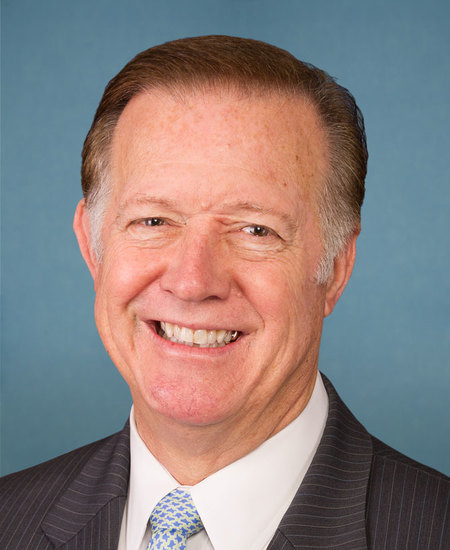
Rep. Randy K. Weber, Sr.
Sponsored bills
Maddy summaryThis bill provides $13.1 billion in emergency funding to support Israel's defense and security needs following the situation in Israel. It allocates $4 billion for purchasing Iron Dome and David's Sling missile defense systems, $1.2 billion for developing the Iron Beam system, and $3.5 billion for foreign military aid (including grants for advanced weapons systems) to the Government of Israel. The funds cover military equipment, training, security operations, and diplomatic efforts related to the situation in Israel, with specific provisions allowing transfers between defense accounts and requiring emergency designation by Congress and the President. The funding directly affects Israel's military capabilities and U.S. diplomatic operations in the region.
Maddy summaryHR 5996, the "Stop Taxpayer Funding of Hamas Act," restricts all U.S. federal funding in Gaza until the President certifies two conditions to Congress: (1) funds won't benefit Hamas, Palestinian Islamic Jihad, or designated terrorist groups, and (2) all hostages taken by these groups have been freed. The bill also prohibits U.S. funding through UN entities in Gaza if they promote anti-Israel or anti-Semitic content. It applies to all U.S. government spending in Gaza, including aid delivered via international organizations. The law directly affects federal budget allocations for Gaza operations and requires specific congressional oversight before any funds can be used.
Maddy summaryHR 5979, the VA Home Loan Awareness Act of 2023, requires lenders using the standard home loan application form to add a specific disclaimer below the military service question. The disclaimer states: "If yes, you may qualify for a VA Home Loan. Consult your lender regarding eligibility." This change must be implemented within six months of the bill's enactment. The bill also mandates a Government Accountability Office (GAO) study within 18 months to check if less than 80% of lenders are including this disclaimer. The policy directly affects veterans and military service members who may qualify for VA home loans but are not currently being informed of this option during the loan application process.
Maddy summaryThis bill amends the State Department Basic Authorities Act of 1956 to establish a "crisis evacuation loan program" for U.S. citizens needing emergency evacuation abroad during crises. It replaces the previous "repatriations loan program" name and directs existing funding from the Department of Homeland Security’s Shelter and Services Program to the State Department to administer these loans. The program allows the State Department to provide loans for evacuation costs, which must be repaid by the affected citizens. This change primarily affects U.S. citizens abroad facing sudden emergencies requiring urgent travel assistance.
Maddy summaryHR 5959, the GAZA Act, would bar individuals holding passports issued by the Palestinian Authority from entering the United States. Specifically, it makes such individuals inadmissible, ineligible for visas or parole, and unable to receive immigration benefits under U.S. law. The bill directly affects Palestinian Authority passport holders seeking U.S. entry or immigration status. It creates a specific visa restriction based solely on the passport authority issuing the document.
Maddy summaryThe SEAfood Act requires the National Oceanic and Atmospheric Administration to commission a National Academies study on offshore aquaculture's environmental impacts, regulatory needs, and potential benefits. It establishes an assessment program for demonstration projects that must use native species, avoid salmon, follow strict environmental safeguards, and prioritize projects owned by veterans or benefiting communities with environmental justice concerns. The bill creates Aquaculture Centers of Excellence at minority-serving institutions, historically Black colleges, and Tribal Colleges to develop aquaculture curricula focused on business skills, research, and community engagement. It mandates regular reporting on project impacts, includes provisions to protect coastal communities and marine ecosystems, and requires consultation with Tribal and Indigenous communities. The legislation aims to establish science-based regulatory standards while promoting equitable opportunities in the growing aquaculture industry.
Maddy summaryThis bill limits the personal details federal agencies can collect and store about gun transactions. It requires agencies to destroy existing gun transaction records (except those needed for ongoing criminal investigations) and prohibits storing new records without such a need. The bill also bans including personal information like names or contact details on forms for multiple firearm sales or in transaction records. This directly affects legal gun owners by reducing government collection of their personal data. The law applies to federal agencies handling gun sales, such as the Bureau of Alcohol, Tobacco, Firearms, and Explosives.
Maddy summaryThis bill prohibits the release of Iranian assets blocked by the U.S. Treasury until the President certifies two conditions: (1) hostilities between Israel and Hamas/Iran-backed groups have ended, and (2) Israel has received full compensation for harms or Iran is participating in a verified international compensation mechanism. It requires the President to notify Congress 30 days before releasing any such asset and allows Congress to block the release via a joint resolution within 30 days. The bill also authorizes the President to confiscate Iranian assets held in the U.S., deposit the funds into a special account, and use those funds to procure defense articles/services for Israel. These provisions aim to leverage frozen Iranian assets to support Israel's defense needs while establishing specific procedural safeguards for asset management.
Maddy summaryHR 995 directs the U.S. Department of Energy to conduct a study on the global civilian nuclear energy industry and its supply chains, including environmental benefits, U.S. foreign policy roles, and security implications, with a report to Congress due within six months. It establishes a program to train foreign nuclear experts on U.S. safety practices and creates a new Nuclear Regulatory Commission branch to coordinate international reactor exports and innovation. The bill also prohibits licenses for nuclear fuel from Russia or China unless the Energy and State Secretaries jointly certify it poses no threat to U.S. national security. These provisions aim to strengthen U.S. leadership in nuclear energy diplomacy and supply chain security.