

Maddy summaryHJRES 150 is a joint resolution seeking congressional disapproval of an Environmental Protection Agency (EPA) rule that established updated national emission standards for hazardous air pollutants from coal and oil-fired power plants. The resolution targets the EPA's specific rule published on May 7, 2024, which required these facilities to review residual risks and technologies to reduce emissions. If enacted, the resolution would nullify the rule, preventing the new standards from taking effect and keeping current regulations in place for power plants. This procedural bill uses the Congressional Review Act (Chapter 8 of Title 5, U.S. Code) to block the EPA rule without altering existing environmental laws.
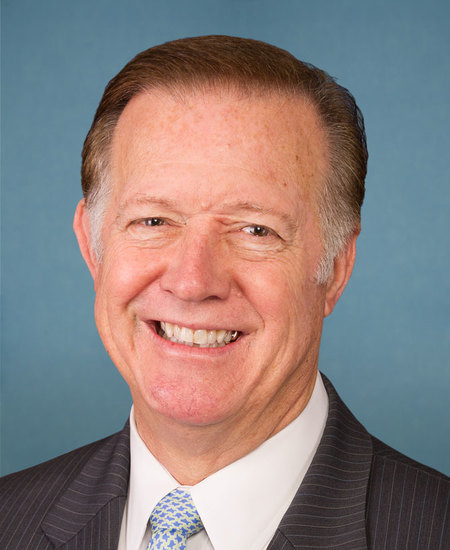
Rep. Randy K. Weber, Sr.
Sponsored bills
Maddy summaryHJRES 146 is a congressional disapproval resolution targeting a Centers for Medicare & Medicaid Services (CMS) rule published on May 8, 2024, that would have clarified eligibility for health insurance subsidies under the Affordable Care Act for Deferred Action for Childhood Arrivals (DACA) recipients and certain other noncitizens. The rule aimed to allow these individuals to access premium tax credits, cost-sharing reductions, and basic health programs through health insurance marketplaces. If enacted, this resolution would block the CMS rule from taking effect, maintaining current restrictions that prevent DACA recipients from qualifying for these subsidies.
Maddy summaryHJRES 154 is a resolution seeking to block a Bureau of Land Management (BLM) rule that would have updated the process for leasing federal lands for oil and gas extraction. The rule, published in the Federal Register on April 23, 2024, specifically addressed "Fluid Mineral Leases and Leasing Process" (89 Fed. Reg. 30916). If passed, this resolution would cancel the rule under the Congressional Review Act, preventing it from taking effect. This action would directly impact the BLM's regulatory authority and oil and gas companies operating on federal lands.
Maddy summaryHRES 1255 is a non-binding House resolution introduced on May 23, 2024, that calls on all Americans to observe Memorial Day 2024 as a day of remembrance for military personnel who died in service. The resolution specifically honors "the men and women of the Armed Forces who have died in the pursuit of freedom and peace" and urges the public to demonstrate appreciation for their sacrifices. It does not create new laws or policies but serves as a symbolic expression of national gratitude, emphasizing respect for those who died while defending democratic values. The resolution was co-sponsored by multiple House members and aligns with the traditional observance of Memorial Day.
Maddy summaryHR 8519 prohibits federal departments and agencies from using government funds for three specific research programs: disinformation research grants, Secure and Trustworthy Cyberspace grants, and the National Science Foundation's Track F program focused on "Trust and Authenticity in Communications Systems." The bill directly affects federal agencies that administer research grants, preventing them from obligating or spending funds on these designated initiatives. It does not alter existing laws or regulations but restricts future funding allocations for these particular research areas. This is a procedural funding restriction, not a policy change affecting the public.
Maddy summaryHR 895, the Combating Organized Retail Crime Act of 2023, expands federal law to better prosecute organized retail theft by amending sections 2314 and 2315 of Title 18. It clarifies that crimes involving stolen goods valued at $5,000 or more over 12 months - including retail theft - can be prosecuted under existing federal statutes, and broadens definitions to include goods taken via "any facility of interstate or foreign commerce." The bill also creates a new Organized Retail Crime Coordination Center within Homeland Security, requiring it to coordinate federal, state, and local law enforcement efforts, share threat information with retailers, and produce annual public reports on trends. This directly affects law enforcement agencies, retailers, and criminal justice systems by standardizing prosecution thresholds and enhancing interagency collaboration.
Maddy summaryHJRES 151 is a congressional disapproval resolution targeting an Environmental Protection Agency (EPA) rule that would have set new water pollution standards for steam electric power plants, including coal and nuclear facilities. The rule, published in the Federal Register on May 9, 2024, aimed to limit pollutants discharged into waterways from these power plants. If passed, this resolution would block the rule from taking effect under the Congressional Review Act. It directly affects steam electric power plants by preventing the implementation of these new environmental requirements.
Maddy summaryHRES 1247 is a non-binding House resolution recognizing National Safe Boating Week. It acknowledges the significance of this annual observance (held in late May) and highlights statistics about boating safety, including that drowning causes 75% of boating fatalities. The resolution supports existing safety procedures like life jacket use and encourages Americans to boat safely. It does not create new laws or policies, but formally urges federal, state, and local partners to continue promoting safe boating through events during this week.
Maddy summaryThis bill requires the President to provide Congress with a 15-day written notice before pausing, delaying, or suspending U.S. arms shipments to Israel, including detailed justification and impact analysis. It establishes strict congressional review periods: 15 days for initial review, plus additional 10-12 day windows if Congress introduces a disapproval resolution, effectively giving lawmakers significant power to block such pauses. The bill directly affects the President and the White House by restricting unilateral decisions on military aid to Israel, specifically targeting delays like the May 2024 pause on bomb shipments. Key provisions define "covered defense articles" as weapons under existing export laws and mandate transparency about funding, end users, and potential impacts on Israel’s military edge.
Maddy summaryThis bill requires the U.S. Department of Defense and State Department to immediately deliver all previously approved military equipment and services to Israel within 15 days, reversing any pauses on arms transfers. It prohibits using federal funds to withhold, halt, or cancel defense article deliveries to Israel and mandates that unobligated security assistance funds for Israel must be spent by the end of 30 days. The bill also requires monthly reports to Congress detailing all security assistance provided to Israel since October 7, 2023, including specific items delivered and funding sources. The law directly affects U.S. agencies responsible for military aid and Israel as the recipient of the security assistance.