

Maddy summaryThe Secure the Border Act of 2023 is a comprehensive immigration bill that focuses on strengthening border security, reforming asylum processes, and updating employment verification systems. The bill requires the immediate resumption of border wall construction, mandates specific staffing levels for Border Patrol agents, and establishes new technology investment plans for Customs and Border Protection. It also introduces stricter asylum eligibility rules, expands penalties for visa overstays, and creates a new employment eligibility verification system that requires employers to check worker authorization status. Additionally, the bill includes provisions for family detention standards, child repatriation policies, and increased funding for border security operations while prohibiting certain types of funding for organizations that facilitate illegal immigration.
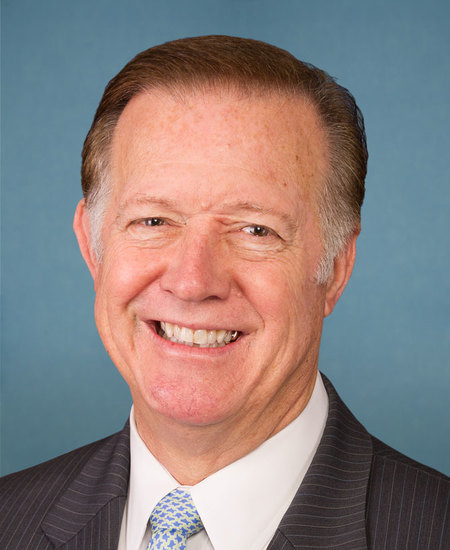
Rep. Randy K. Weber, Sr.
Sponsored bills
Maddy summaryThis bill targets specific Mexican cartels (Sinaloa, Jalisco New Generation, Beltran-Levya, Gulf, Los Zetas, Tijuana, and La Familia Michoacana/Knights Templar) by increasing penalties for related crimes, prohibiting cartel members from using U.S. financial institutions, and creating a CARTEL Fund to distribute seized assets (75% to Homeland Security, 25% to Justice Department). It establishes new immigration barriers for cartel members and their family members, and imposes penalties on U.S. citizens who facilitate cartel activities. The bill also authorizes sanctions against foreign governments and individuals that support these cartels, including blocking transactions and denying visas. This legislation would directly affect cartel members, their associates, U.S. citizens facilitating cartel activities, and foreign entities supporting these organizations.
Maddy summaryHR 589, the MAHSA Act, imposes U.S. sanctions on Iran's Supreme Leader, President, and affiliated entities responsible for human rights abuses and terrorism. It targets the Supreme Leader's Office, the President's cabinet, security forces involved in the crackdown following Mahsa Amini's death, and entities financing abuses. The bill requires the President to annually determine and apply existing sanctions - like property blocking and visa bans - against these individuals and entities. This directly affects Iran's top leadership and security apparatus, aiming to hold them accountable for abuses including the Morality Police's role in Amini's detention and the subsequent violent suppression of protests.
Maddy summaryHR 497, the Freedom for Health Care Workers Act, eliminates a federal requirement for healthcare workers in Medicare and Medicaid programs to be vaccinated against COVID-19. The bill directly affects healthcare providers who treat patients under these federally funded programs by preventing the enforcement of the November 2021 HHS rule mandating staff vaccinations. Its key provision prohibits the Department of Health and Human Services from implementing, enforcing, or creating a similar rule regarding vaccination for these workers. This bill changes the policy by removing a specific vaccine mandate for providers in Medicare and Medicaid programs.
Maddy summaryHR 407, the "Protect the UNBORN Act," prohibits federal agencies from implementing or enforcing two specific executive orders issued by President Biden in 2022 (Executive Orders 14076 and 14079), which aimed to protect access to reproductive healthcare services. The bill bans the use of federal funds, including those from the 2022 Consolidated Appropriations Act, to carry out, administer, or enforce these executive orders. It directly affects federal agencies and programs that would otherwise comply with the Biden administration's policies on reproductive healthcare access. The bill does not create new healthcare rules but blocks the implementation of existing executive actions.
Maddy summaryThis bill bans federal funding for abortions in most cases, prohibiting the use of taxpayer money for abortion services or health insurance plans covering abortion. Exceptions allow funding for abortions resulting from rape, incest, or when a pregnancy endangers a woman's life. It requires health insurance plans sold through the Affordable Care Act (ACA) marketplaces to clearly disclose any separate costs for abortion coverage and prohibits ACA subsidies from being used for plans that cover abortion (except in the specified exceptions). The law directly affects federal programs like Medicaid, ACA marketplace plans, and insurers offering health coverage to individuals using federal subsidies.
Maddy summaryHR 152, titled the "Hearing Protection Act," actually addresses firearm silencers (suppressors), not hearing protection. The bill removes federal registration requirements for silencers by directing the Attorney General to destroy all existing silencer records within 365 days. It also preempts state laws that tax, register, or impose recordkeeping requirements on silencers, making such state rules unenforceable. Additionally, the bill updates tax codes to include silencers as taxable items and clarifies their definition in firearm laws.
Maddy summaryHR 10414 seeks to repeal the Impoundment Control Act of 1974 (2 U.S.C. 681 et seq.), a law that limited the President's authority to withhold funds Congress had appropriated. This bill would remove the legal restrictions requiring the President to seek Congressional approval before delaying or refusing to spend money already approved by Congress. The repeal would directly affect the executive branch's budget implementation powers, restoring the pre-1974 practice where the President could withhold funds without specific Congressional consent. This is a procedural change altering the legal framework governing federal spending, with no new provisions or direct impact on specific programs or citizens.
Maddy summaryThe SEVEN Act establishes an interagency working group to address security vulnerabilities in the SS7 telecommunications signaling system, which is critical for mobile networks. The group, led by the Commerce Department and including agencies like CISA, Homeland Security, and telecom industry experts, must produce annual reports assessing threats from foreign entities, government and private sector roles in mitigating risks, and recommendations for improving network security. These reports will cover vulnerabilities to espionage, sabotage, and data interception, with specific focus on small telecommunications providers (under 200 employees). The bill requires the working group to provide briefings to Congress after each report, aiming to coordinate government and industry efforts without mandating new regulations.
Maddy summaryHR 10398, the Safe Shelters Act of 2024, prohibits sex offenders required to register under federal law from using emergency shelters not specifically designated for them. Covered sex offenders must immediately notify shelter staff of their registration status if entering an undesignated shelter, and shelter operators must then provide information about designated shelters and the prohibition. The bill directs FEMA to designate specific federal buildings or prisons as emergency shelters exclusively for these offenders during disasters, with lists of available facilities to be provided by GSA and the Bureau of Prisons within 180 days. Violating the notification or shelter use rules carries penalties of fines, up to 5 years in prison, or both.