

Maddy summaryHRES 692 designates September 2023 as "Sickle Cell Disease Awareness Month" to promote education about sickle cell disease (SCD) across the U.S. It directly affects communities impacted by SCD - estimated at 100,000 people in the U.S., with higher prevalence among African and Hispanic Americans - and encourages broader public awareness. The resolution calls for educational events focused on early detection, effective treatments, preventative care, and complications related to SCD. It also urges federal agencies to address barriers to equitable access to SCD therapies and supports efforts by organizations like the Sickle Cell Disease Association of America. This is a symbolic resolution without new legal requirements, aiming to raise public knowledge and support for SCD-related initiatives.
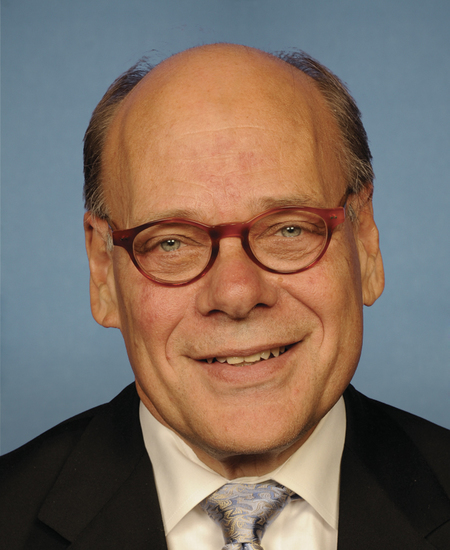
Rep. Steve Cohen
Sponsored bills
Maddy summaryThis bill amends the Higher Education Act to require all U.S. colleges and universities receiving federal financial aid to create detailed anti-harassment policies covering physical, online, and institution-sponsored settings. It mandates policies prohibiting harassment based on race, sex (including sexual orientation and gender identity), disability, religion, and other protected characteristics, including harassment via institutional email, computers, or electronic messaging. The bill also establishes a $50 million annual grant program to fund colleges developing prevention programs, victim support services, and training for students and staff on recognizing and addressing harassment. These policies and grants must comply with existing civil rights laws like Title IX but add specific requirements for reporting and prevention.
Maddy summaryThe Algorithmic Accountability Act of 2023 requires companies with over $50 million in annual revenue or that handle data for more than 1 million consumers to assess how their automated decision systems might negatively impact people before and after deployment. These companies must document potential biases related to protected characteristics like race, gender, and age, and submit annual summary reports to the Federal Trade Commission. The FTC will create a public repository with anonymized information about these systems to help consumers understand how automated decisions affect critical areas like housing, employment, and healthcare. The law aims to increase transparency around automated decision-making while requiring companies to implement measures for consumers to contest or appeal decisions.
Maddy summaryThe REDUCE Act of 2023 imposes an excise tax on virgin plastic resin and certain single-use plastic products, starting at 10 cents per pound in 2024 and increasing to 20 cents per pound by 2026 (with annual inflation adjustments). The tax applies to manufacturers, producers, and importers of plastic products, with exemptions for small businesses producing less than 10 tons annually. Revenue from the tax will fund the Plastic Waste Reduction Fund, which will support recycling infrastructure, reuse systems, and marine debris cleanup efforts. The bill specifically excludes medical products, certain packaging, and hygiene items from the tax requirements.
This bill requires the Department of State to determine whether Vladimir Kara-Muza is being wrongfully detained abroad for purposes of triggering certain procedures for U.S. nationals. If the State Department finds that Vladimir Kara-Muza is not being detained wrongfully in Russia, it must report to Congress a justification for this determination and describe the current efforts to secure his release.
Maddy summaryHCONRES 66 is a symbolic congressional resolution expressing support for Ukraine and outlining a policy approach to Russia's invasion. It calls for using reparations from Russia (specifically seized Russian assets abroad) to fund Ukraine's recovery and reconstruction, while explicitly stating that U.S. taxpayers should not bear this financial burden. The resolution directs the President to work with international partners to establish a mechanism for assessing war damages and securing reparations, and to coordinate transparent management of these funds for Ukraine's rebuilding. It does not allocate funds or create new legal obligations, but instead sets forth a policy position for the executive branch to pursue. This resolution focuses on international coordination and financial accountability, not on new U.S. spending.
Maddy summaryThe Protect Working Musicians Act of 2023 allows independent musicians and music creators who own their copyrights to collectively negotiate licensing terms with large online music platforms without violating antitrust laws. It specifically applies to creators earning under $1 million annually in licensing revenue or qualifying as small businesses. The bill creates a safe harbor that protects coordinated negotiations (not limited to price, non-discriminatory, and only involving independent creators and platforms) from antitrust lawsuits. This aims to address an imbalance where dominant platforms set low rates and ignore creators who refuse unfavorable terms, without requiring platforms to change their current licensing practices.
Maddy summaryHR 5569, the Child Care Nutrition Enhancement Act of 2023, increases funding for child care nutrition programs. It adds a 10-cent per meal reimbursement for providers participating in the Child and Adult Care Food Program (CACFP), applying to all meals and supplements served. This change directly affects child care centers, family day care homes, and group day care homes that receive CACFP funding. The additional reimbursement is calculated alongside existing payment rates and applies to all meals served after the bill's enactment. The bill modifies specific sections of the Richard B. Russell National School Lunch Act to implement this funding increase.
Maddy summaryHR 5566, the *Supreme Court Tenure Establishment and Retirement Modernization Act of 2023*, establishes an 18-year term limit for all Supreme Court justices. It requires the President to nominate one new justice every two years (during first and third years after presidential elections), with Senate confirmation within 90 days, and prohibits lifetime appointments. Current justices are automatically retired in order of service length as new justices are appointed, while retired justices may temporarily fill vacancies through a randomized process. The bill directly affects all sitting and future Supreme Court justices by restructuring appointments and retirement timelines.
Maddy summaryThis bill would establish the Civilian Climate Corps, a national workforce program that would employ and train 50,000 to 400,000 young adults annually through 2028 to work on climate-related projects. The program would provide participants with a minimum living allowance of $17 per hour, health care benefits, and $25,000 in educational benefits per term of service. It would require 50% of projects to be located in under-resourced communities (with 10% specifically in Indian country) and ensure at least 50% of participants come from these communities. The Corps would focus on climate resilience, clean energy infrastructure, environmental remediation, and creating career pathways in the growing clean economy sector.