

Maddy summaryHRES 753 is a non-binding resolution commemorating the fifth anniversary of Jamal Khashoggi's murder in 2018 and calling for accountability from the Saudi government. It urges Saudi Arabia to ensure accountability for those responsible for his killing, release wrongfully detained individuals (including human rights defenders), lift travel bans on dissidents, and respect freedoms of assembly, association, and press. The resolution acknowledges U.S. sanctions under the Global Magnitsky Act targeting 17 Saudi officials linked to Khashoggi's murder. As a symbolic congressional statement, it does not impose new legal obligations but expresses support for accountability and human rights.
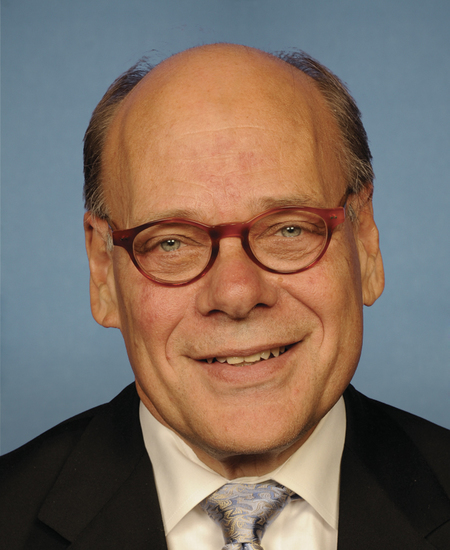
Rep. Steve Cohen
Sponsored bills
Maddy summaryHRES 751 is a non-binding resolution designating October 1, 2023, as "National Animal Rescue Day" to raise public awareness about animal adoption and spaying/neutering. It directly supports animal shelters, rescue organizations, and the public by encouraging adoption events, educational activities, and charitable support on that date. The resolution aims to reduce shelter overcrowding and euthanasia rates by promoting adoption and responsible pet ownership through nationwide observance. It does not create new laws or funding but expresses congressional support for existing animal rescue efforts.
Maddy summaryThis resolution designates the week of September 25-29, 2023, as "National Clean Energy Week" to recognize the growing role of clean energy in the U.S. economy. It expresses support for clean energy jobs and innovation, noting the sector employed about 8.1 million people in 2022. The resolution encourages federal, state, and local investment in affordable clean energy technologies and promotes "commonsense solutions" for energy needs. As a symbolic gesture, it has no legal force or funding implications - it simply urges recognition of clean energy's economic and environmental contributions.
Maddy summaryHR 5833, the Protection of Saudi Dissidents Act of 2023, restricts U.S. military sales to Saudi Arabia’s intelligence, security, and law enforcement agencies for three years. It prohibits defense exports during 120-day periods unless the President certifies Saudi Arabia has not engaged in forced repatriation, intimidation, or killing of dissidents abroad, unjust imprisonment of U.S. residents, or torture. The bill also mandates reports on Saudi harassment of dissidents in the U.S., including whether Saudi diplomats used diplomatic facilities to monitor or harm Saudi nationals living in America, and requires an intelligence report on whether U.S. agencies fulfilled their duty to warn Jamal Khashoggi about threats before his 2018 murder. These provisions sunset after three years, with limited exceptions for defense against external threats or U.S. personnel security.
Maddy summaryThe Youth, Peace, and Security Act of 2023 requires the U.S. government to increase meaningful youth engagement in peacebuilding and conflict prevention efforts globally. The bill mandates the development of a U.S. Foreign Assistance Youth, Peace, and Security Action Plan within one year, focusing on inclusive participation of diverse youth aged 10-29, particularly marginalized groups including girls, LGBTQI+ youth, and youth with disabilities. It authorizes $5.5 million for grants to youth-led organizations working on peacebuilding, conflict resolution, community violence intervention, and post-conflict recovery. The legislation also establishes a USAID Youth Coordinator role to oversee implementation and requires U.S. foreign assistance programs to integrate youth participation in decision-making processes. The Act aims to address barriers to youth involvement in peace processes while ensuring safety, security, and equitable access to resources for young people in conflict-affected areas.
Maddy summaryThe NEWBORN Act creates a federal grant program to reduce infant mortality in the 50 U.S. counties with the highest rates, using $10 million annually from 2023-2027. It funds local health departments (including tribal, county, or state agencies) to design pilot programs addressing causes like preterm birth, maternal complications, and infant injuries through community assessments, outreach to at-risk mothers, and coordinated services such as postpartum care and smoking cessation. Grantees must report annually on program outcomes and methods, with no more than 10% of funds used for evaluation. The bill directly affects communities in high-mortality areas by supporting targeted, evidence-based interventions.
Reducing Obesity in Youth Act of 2023 This bill requires the Centers for Disease Control and Prevention, in coordination with the Administration for Children and Families, to award grants to nonprofits, institutions of higher education, or consortia of these entities to promote healthy eating and physical activity and address food insecurity among children in early care and education settings.
Maddy summaryThe Oleksander Ivanov Act of 2023 establishes U.S. sanctions authority targeting individuals and entities responsible for Russia’s forced displacement and illegal adoption of Ukrainian children. It authorizes the President to block property and deny visas to foreign persons involved in forcibly transferring Ukrainian children to Russia, illegally assimilating them, or facilitating trafficking. The bill also directs the U.S. to support Ukraine through programs for trauma care, rebuilding education systems, creating a multilingual registry for missing children, and establishing emergency call centers to combat trafficking. These measures aim to address documented violations of international law, including Russia’s detention of over 6,000 Ukrainian children in occupied territories, with sanctions set to expire after six years.
Maddy summaryThe WIC for Kids Act expands eligibility for the Special Supplemental Nutrition Program for Women, Infants, and Children (WIC) by adding new qualifying pathways. It allows children to qualify if they live in households where someone receives Head Start, Indian reservation food assistance, or Puerto Rico/Northern Mariana Islands nutrition block grants, and streamlines documentation by permitting states to use existing records. The bill extends certification periods for children from one to two years and automatically enrolls infants born to current WIC participants. This directly affects low-income families with children who qualify for related assistance programs but previously faced barriers to WIC access.
Maddy summaryThis bill extends existing aviation programs and tax authorities through December 2023. It modifies deadlines for airport improvement grants (extending $842 million in funding for Q4 2023), unmanned aircraft regulations, FAA operations, and key tax collections like fuel and ticket taxes. These changes maintain current funding levels for airports, airlines, and FAA programs relying on the Airport and Airway Trust Fund. The bill does not create new programs but ensures continuity of existing authorizations. It directly affects airports receiving federal grants, airlines paying aviation taxes, and FAA operational activities.