Camp Lejeune Justice Act of 2021 This bill allows certain individuals to sue and recover damages for harm from exposure to contaminated water at Camp Lejeune in North Carolina between August 1, 1953, and December 31, 1987. This action is available only to individuals who were exposed to contaminated water for at least 30 days. The bill prohibits the U.S. government from asserting specified immunity from litigation in response to such a lawsuit. The bill also prohibits an individual who brings such an action from bringing a separate tort action against the United States based on the same harm.
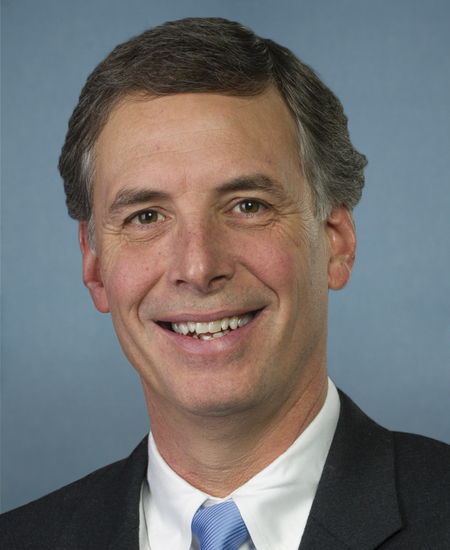
Rep. Tom Rice
Sponsored bills
Prohibiting IRS Financial Surveillance Act This bill prohibits the Department of the Treasury from requiring a financial institution to report the transfers into and out of a financial account. This prohibition does not apply to laws or regulations in effect on October 1, 2021.
This resolution honors Gibraltar's contribution to advancing U.S. security interests in the Mediterranean region and expresses support for the people of Gibraltar.
Cancel the Coin Act This bill prohibits the Department of the Treasury from minting or issuing any coin, including platinum bullion coins and proof platinum coins, having a nominal or face value exceeding $200.
Governing Effectively, with Transparency, Integrity, and Timeliness and Doing Our Necessary Expenditures Act or the GET IT DONE Act This bill withholds the salaries of senior government officials and restricts the use of federal funds for official travel by senior government officials if all of the regular appropriations bills for a fiscal year have not been enacted by the first day of the fiscal year. Under the bill, senior government officials include a Member of Congress; the President; the Vice President; the head of any executive department; and any employee of, or detailee to, the Executive Office of the President whose annual rate of basic pay is at least $158,000. If a chamber of Congress has not approved all of the annual appropriations bills for a fiscal year by the first day of the fiscal year, the bill prohibits the chamber from adjourning for a period of more than 12 hours until it has approved the bills. The bill also provides continuing appropriations to prevent a government shutdown if any appropriations measure for a fiscal year has not been enacted before the fiscal year begins or a joint resolution making continuing appropriations is not in effect. For an initial 30-day period, the bill provides appropriations to continue programs, projects, and activities for which funds were provided in the preceding fiscal year. The bill reduces the continuing appropriations by 2.5% after the first 30-day period and by an additional 2.5% for each subsequent 30-day period until the applicable appropriations legislation is enacted.

This resolution supports the designation of National Clean Energy Week.
Re-using Equipment for Environmental Fortification Act or the REEF Act This bill requires the Department of the Navy to notify Congress of the pending retirement of vessels that are viable candidates for artificial reefing (intentionally sinking a vessel to promote marine life). Specifically, the Navy must provide such notice not later than 90 days before the viable candidate's retirement from the Naval Vessel Register.
This resolution celebrates the contributions of small businesses in every U.S. community and supports the designation of National Small Business Week. Further, it supports efforts to provide small businesses with aid and assistance through certain programs and initiatives.
This resolution calls on all Americans to observe the 20th anniversary of the September 11 attacks and honor those who lost their lives.
This bill requires the Internal Revenue Service (IRS) to report to Congress on projections of the estimated tax gap (i.e., the difference between tax liabilities owed to the IRS and those liabilities that the IRS actually collects). The IRS may use artificial intelligence and related data analysis tools to calculate a tax gap projection. The bill also requires the Joint Committee on Taxation to issue periodic reports to the congressional tax committees on the tax gap projection. The bill restricts IRS funding to FY2021 levels for audits and enforcement until it publishes an updated tax gap projection. Funding is also restricted for certain purposes, including (1) targeting U.S. citizens who exercise their First Amendment rights, (2) targeting a group for regulatory scrutiny based on its ideological beliefs, and (3) auditing individual taxpayers with an adjusted gross income of less than $400,000. The bill directs the IRS to establish a fellowship program to recruit private sector tax experts to join the IRS to create and participate in the audit task force. The purposes of the tax force include performing audit case selection, educating IRS employees on emerging issues, auditing selected taxpayers, addressing offshore tax evasion, and identifying, mentoring, and training IRS junior employees with respect to audits.