

Maddy summaryHRES 1561 is a symbolic House resolution introduced by 11 Republican representatives on November 1, 2024, condemning President Biden's October 29, 2024, remark calling Trump supporters "garbage." The resolution states the House "condemns" this specific comment but does not create any new laws or affect any individuals or policies. It serves solely as a formal expression of disapproval from the House members who signed it. As a procedural resolution, it has no legal effect or practical impact on government operations or constituents.
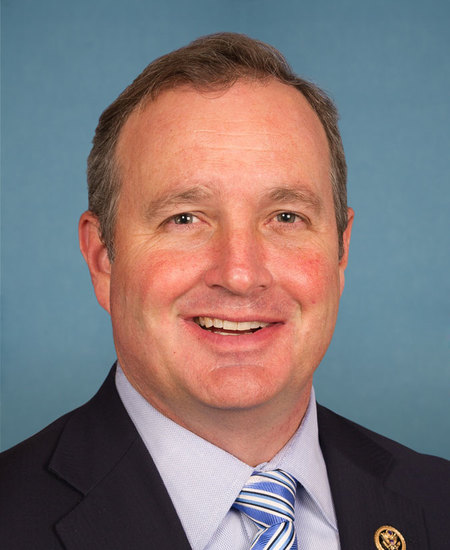
Rep. Jeff Duncan
Sponsored bills
Maddy summaryHR 10083, the "No Funding for Illegal Migrant Billboards Act," prohibits the use of federal funds to advertise the Immigration Detention Ombudsman's office or functions through billboards or similar public advertising. This bill directly affects the Department of Homeland Security, specifically restricting how the Ombudsman's office can be promoted using public funds. The key mechanism is an amendment to the Homeland Security Act of 2002, adding a provision that bans obligating or expending funds for such advertising. The law applies to all public advertising methods, not just physical billboards, and takes effect immediately upon enactment.
Maddy summaryHR 4587, the Red Snapper Act, prevents the National Oceanic and Atmospheric Administration (NOAA) from implementing fishing area closures in the South Atlantic for red snapper until two data requirements are met. Specifically, NOAA cannot issue rules with area closures until the South Atlantic Great Red Snapper Count study is complete and its data is integrated into the official stock assessment. This bill directly affects NOAA’s rulemaking authority and recreational and commercial fishermen in the South Atlantic region who rely on red snapper fishing. The legislation aims to ensure management decisions are based on the latest scientific data before restricting fishing areas.
Maddy summaryThis bill prohibits federal agencies from using the social cost of carbon, methane, nitrous oxide, or greenhouse gases in regulatory decisions. It bans these climate impact estimates from cost-benefit analyses, rulemaking, and agency guidance documents. Agencies must report past use of these metrics since 2009 to Congress. The law removes specific climate cost calculations from energy regulations.
Maddy summaryHR 9920 (the BE GONE Act) amends the Immigration and Nationality Act to expand the definition of "aggravated felonies" by adding "sexual assault and aggravated sexual violence" as a specific category. This change directly affects non-citizens convicted of these offenses, as it triggers mandatory deportation under existing immigration law. The bill does not create new penalties or enforcement procedures but alters the legal definition that determines deportation eligibility. It is a definitional amendment to existing immigration law, not a new enforcement measure.
Maddy summaryThis resolution symbolically supports designating September 23-27, 2024, as "National Hazing Awareness Week." It does not create new laws but expresses the House’s endorsement of raising awareness about hazing in college settings. The resolution cites statistics showing 55% of college students experience hazing and references numerous fatalities linked to hazing incidents. It encourages ongoing hazing prevention efforts beyond the designated week and urges the public to observe the week through awareness and education. The resolution directly affects campus communities and student safety initiatives, though it has no binding legal effect.
Maddy summaryThis bill clarifies Medicare rules to allow doctors to provide certain critical medications directly in their offices without extra administrative hurdles. It specifically amends a Medicare provision (Section 1877(b)(2) of the Social Security Act) to remove a requirement that drugs furnished in-office must follow specific administrative rules, effective May 11, 2023. The bill also directs the removal of conflicting Medicare guidance published in 2021 and 2023, which had previously restricted this practice. This change directly affects Medicare beneficiaries (seniors) and doctors' offices that supply covered medications during patient visits. It streamlines access to necessary drugs by eliminating an unnecessary barrier to in-office medication administration under Medicare.
Maddy summaryHJRES 136 is a resolution seeking to block an Environmental Protection Agency (EPA) rule that would have set new emissions standards for light and medium-duty vehicles sold in 2027 and later model years. The EPA rule, published in April 2024, aimed to require vehicle manufacturers to meet stricter pollution limits for these vehicles. If passed, this resolution would cancel the rule, preventing the EPA from enforcing the new standards. It uses a congressional process that allows Congress to reject agency rules with a simple majority vote.
Maddy summaryHJRES 144 is a congressional disapproval resolution targeting a specific rule issued by the Bureau of Alcohol, Tobacco, Firearms, and Explosives (ATF) on April 19, 2024. The resolution seeks to block the ATF's rule that redefined the term "engaged in the business" for firearm dealers, which would have affected how federal licensing requirements apply to certain sellers. If enacted, this resolution would nullify the rule, preventing it from taking effect under procedures in Title 5 of the U.S. Code. The bill directly impacts firearm dealers operating under the current regulatory framework and the ATF's enforcement authority.
Maddy summaryThis bill (HJRES 163) is a congressional disapproval resolution targeting an Environmental Protection Agency (EPA) rule finalized on May 9, 2024. The EPA rule established new emissions standards for greenhouse gases from fossil fuel power plants (both new and existing) and repealed a previous rule called the Affordable Clean Energy Rule. The resolution would block this EPA rule from taking effect by invoking the Congressional Review Act (Chapter 8 of Title 5, U.S. Code). If passed, it would prevent the EPA rule from being enforced, directly affecting fossil fuel power plant operators and the EPA’s regulatory authority over emissions.