

Maddy summaryHR 407, the "Protect the UNBORN Act," prohibits federal agencies from implementing or enforcing two specific executive orders issued by President Biden in 2022 (Executive Orders 14076 and 14079), which aimed to protect access to reproductive healthcare services. The bill bans the use of federal funds, including those from the 2022 Consolidated Appropriations Act, to carry out, administer, or enforce these executive orders. It directly affects federal agencies and programs that would otherwise comply with the Biden administration's policies on reproductive healthcare access. The bill does not create new healthcare rules but blocks the implementation of existing executive actions.
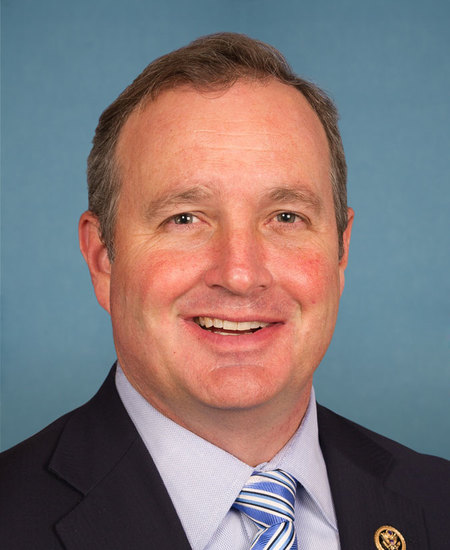
Rep. Jeff Duncan
Sponsored bills
Maddy summaryHR 319, the Legal Workforce Act, establishes a new government-run system for verifying employment eligibility in the United States. The bill requires employers to verify the identity and work authorization of new hires using specific documents (such as passports, driver's licenses, or employment authorization cards) through a new verification system, with implementation timelines varying by employer size (6-24 months after enactment). It replaces the previous E-Verify system, includes special provisions for agricultural workers with 30-month implementation timelines, and establishes penalties for non-compliance ranging from $2,500 to $25,000 per violation. The law also creates new procedures for reverifying employees with limited work authorization and includes provisions to prevent identity fraud in the verification process.
Maddy summaryHR 114, the "Fund and Complete the Border Wall Act," establishes a Secure the Southern Border Fund to finance border barrier construction and maintenance along the U.S.-Mexico border. The bill creates a 5% fee on remittance transfers to foreign countries and increases Form I-94 processing fees, with portions of these fees directed to the fund. It requires the Department of Homeland Security to report annually on illegal border crossings and sets a December 31, 2023, deadline for completing border barriers. The legislation also includes provisions for border patrol agent compensation and allows the Secretary of Homeland Security to waive legal requirements to expedite border wall construction.
Maddy summaryThis bill bans federal funding for abortions in most cases, prohibiting the use of taxpayer money for abortion services or health insurance plans covering abortion. Exceptions allow funding for abortions resulting from rape, incest, or when a pregnancy endangers a woman's life. It requires health insurance plans sold through the Affordable Care Act (ACA) marketplaces to clearly disclose any separate costs for abortion coverage and prohibits ACA subsidies from being used for plans that cover abortion (except in the specified exceptions). The law directly affects federal programs like Medicaid, ACA marketplace plans, and insurers offering health coverage to individuals using federal subsidies.
Maddy summaryHR 152, titled the "Hearing Protection Act," actually addresses firearm silencers (suppressors), not hearing protection. The bill removes federal registration requirements for silencers by directing the Attorney General to destroy all existing silencer records within 365 days. It also preempts state laws that tax, register, or impose recordkeeping requirements on silencers, making such state rules unenforceable. Additionally, the bill updates tax codes to include silencers as taxable items and clarifies their definition in firearm laws.
Maddy summaryHJRES 142 is a congressional disapproval resolution targeting a Department of Labor rule issued on April 25, 2024. It seeks to block the "Retirement Security Rule: Definition of an Investment Advice Fiduciary" (89 Fed. Reg. 32122), which defined standards for financial advisors handling retirement accounts. If passed, this resolution would make the Labor Department's rule ineffective, directly affecting retirement plan advisors and financial institutions subject to the regulation. The bill uses a specific procedural mechanism under Title 5, U.S. Code, to nullify the rule without creating new law.
Maddy summaryThe ESA Amendments Act of 2024 makes significant changes to the Endangered Species Act of 1973, primarily focusing on improving conservation efficiency and increasing incentives for private landowners. It establishes a national listing work plan with five priority classifications (Priority 1-5) for species to streamline conservation efforts and sets deadlines for acting on listing petitions. The bill creates "Candidate Conservation Agreements with Assurances" that provide private landowners with legal assurances they won't face additional restrictions if species they're conserving gets listed under the Act. It also requires the government to publish the basis for listing decisions online, mandates transparency in using state and local information, and allows states to develop recovery strategies that could be adopted as regulations. These changes aim to improve conservation outcomes while reducing regulatory burdens on private landowners and increasing government transparency.
Maddy summaryHR 7438 directs the U.S. Treasury to mint commemorative coins for the 2026 FIFA World Cup, including 100,000 $5 gold coins, 500,000 $1 silver coins, and 750,000 half-dollar coins. The coins will be sold to the public at face value plus surcharges ($35, $10, and $5 per coin, respectively), with all surcharge revenue paid to FWC2026 US, Inc. for U.S. soccer programs. These funds must support soccer initiatives, particularly in underserved communities and youth development, as specified in the bill. The coins are legal tender but will only be issued during 2026, with no net cost to the U.S. government.
Maddy summaryThis bill extends funding for the existing Public Health Service Act program focused on raising public awareness about Alzheimer's disease and related dementias. It authorizes $33 million annually for fiscal years 2025 through 2029 to support public health education and outreach initiatives. The program directly affects public health organizations and community groups that develop and distribute educational materials about Alzheimer's prevention, diagnosis, and care. The key provision is the multi-year funding extension, ensuring continued support for nationwide awareness efforts without altering the program's core structure.
Maddy summaryThis bill reinstates a pre-American Rescue Plan Act (ARP) tax reporting rule for gig economy platforms. It requires third-party payment platforms (like Uber or DoorDash) to report transactions to the IRS only if a gig worker earns over $20,000 in total or completes more than 200 transactions in a year. This directly affects gig workers whose income falls below these thresholds, exempting them from the reporting requirement. The provision effectively reverses a change made by the ARP, reducing administrative burden for both platforms and lower-earning gig workers. The bill amends IRS Code Section 6050W to restore these specific de minimis payment thresholds.