

Maddy summaryThis bill amends the Natural Gas Act to give the Federal Energy Regulatory Commission (FERC) exclusive authority to approve or deny applications for U.S. natural gas export facilities (including LNG terminals) to foreign countries. It removes existing requirements for other federal agencies to review such projects, though it preserves their roles in other areas. The bill also adds a new provision clarifying that the President retains authority under existing laws (like sanctions or national security powers) to block exports, including to countries designated as "state sponsors of terrorism." The bill directly affects LNG exporters, FERC, and the President’s national security decision-making regarding gas exports.
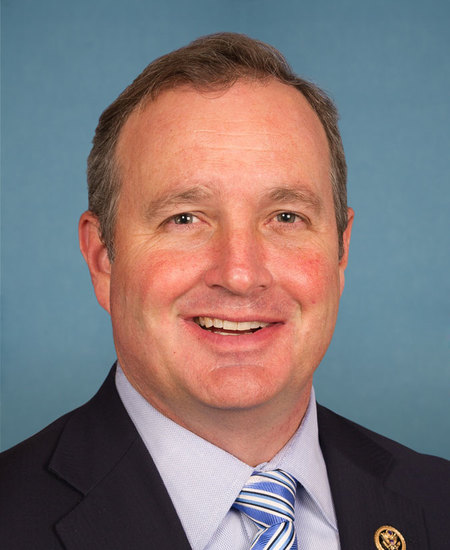
Rep. Jeff Duncan
Sponsored bills
Maddy summaryHR 5577, the FACE Act Repeal Act of 2023, would repeal a federal law (Section 248 of Title 18, U.S. Code) that made it a crime to block access to abortion clinics or threaten clinic staff. This repeal would remove criminal penalties for obstructing access to clinics, affecting abortion providers, clinic staff, and individuals attempting to access or block clinic entrances. The bill specifically targets the repeal of this prohibition, applying to prosecutions pending or initiated after the law's enactment. It does not change other abortion-related laws or create new policies.
Maddy summaryHR 1435, the Preserving Choice in Vehicle Purchases Act, amends the Clean Air Act to restrict states from implementing vehicle emissions rules that limit the sale or use of new gasoline-powered cars. It directly affects states with stricter emissions standards (like California) by adding a new definition that blocks state rules "directly or indirectly" limiting internal combustion engine vehicles as defined in federal regulations as of January 1, 2023. The bill requires the EPA to revoke existing state emissions waivers granted between January 2022 and the bill’s enactment if they don’t comply with this new definition. This creates a concrete federal standard preventing states from advancing policies that could reduce demand for conventional vehicles.
Maddy summaryHR 5495, the Political BIAS Emails Act of 2023, prohibits email providers from automatically labeling political campaign emails as spam without a user’s explicit action. It requires email providers to publish quarterly transparency reports showing spam rates for Republican and Democratic campaign emails separately, including how often algorithms flagged them without user input. Political campaigns can request detailed reports about their own email delivery rates and best practices for reaching inboxes, with limits on how frequently they can request this data. The Federal Trade Commission will enforce these rules as unfair or deceptive practices under existing law. The bill directly affects major email services and political campaigns, aiming to increase transparency in how political communications are filtered.
Maddy summaryThe Life.Gov Act (HR 5406) requires the U.S. Department of Health and Human Services to create a federal website called life.gov within one year of enactment. The website will provide pregnant and postpartum women with locally tailored resources - such as health services, financial assistance, and mental health support - via zip code searches, multilingual access, and user feedback tools. States must submit resource recommendations meeting strict criteria (e.g., no abortion providers, 3+ years of service), and the website cannot list "prohibited entities" (defined as abortion providers or supporters). The Secretary must report to Congress within 180 days on website usage, user feedback, and gaps in resources, using existing HHS funding.
Maddy summaryThe Freedom to Breathe Act (HR 5368) prohibits the use of federal funds to enforce mask mandates for passengers traveling on air carriers, public transit, or in elementary, secondary, and higher education institutions from enactment until December 31, 2024. It bans federal agencies from requiring masks in these settings and prevents transportation providers or schools from denying service to individuals who refuse to wear masks. The law also overrides conflicting state or local rules during the applicable period. This applies specifically to settings receiving federal funding, such as public schools and federally supported transit systems.
Maddy summaryHR 3152, the "Fight CRIME Act," aims to maintain international restrictions on Iran's missile-related activities by requiring diplomatic efforts to extend these restrictions before they expire in October 2023. The bill mandates annual reports detailing U.S. diplomatic strategies, potential impacts of expiration, and measures to deter missile technology transfers to Iran. It establishes sanctions against foreign individuals or entities that knowingly support Iran's missile or drone programs, including asset freezes and visa restrictions. These sanctions apply regardless of whether UN restrictions remain in effect after their expiration, directly affecting foreign entities involved in these activities.
Maddy summaryHR 4003, the Let Freedom Sing Act, removes permit requirements for singing the national anthem in specific public areas of the U.S. Capitol, including National Statuary Hall, when it does not disrupt government operations. The bill directly affects individuals who wish to sing the anthem in these federally owned spaces without prior authorization. It prohibits Capitol Police or the Sergeant at Arms from requiring permits for such singing and overrides local D.C. code restrictions in these areas. The law explicitly states singing the anthem in designated Capitol spaces is not considered disruptive protest under the First Amendment.
Maddy summaryHR 5314, the Freedom From Union Violence Act of 2023, amends federal law to criminalize certain acts of violence or threats during labor disputes that obstruct commerce. It makes it a federal crime to use violence or threats to interfere with commerce, with penalties up to $100,000 fines or 20 years in prison, but exempts peaceful picketing and minor incidents like minor property damage. The bill directs state and local authorities to handle cases involving exempt conduct, while preserving federal jurisdiction for serious violence beyond those exemptions. It explicitly states this amendment does not change existing labor laws like the National Labor Relations Act or the Norris-LaGuardia Act. The bill directly affects labor disputes where violence or threats occur, focusing on criminalizing serious interference with commerce.
Maddy summaryHR 5319, the Ban Offshore Abortion Tourism Act, prohibits performing abortions that result in fetal death within U.S. maritime jurisdiction (e.g., international waters under U.S. authority). It targets abortion providers in these zones, with exceptions for life-threatening medical conditions, pregnancies from rape (requiring 48 hours of counseling or treatment first), or pregnancies from rape/incest involving minors (requiring prior reporting to authorities). The bill allows civil lawsuits against providers for violations, awarding triple damages, medical costs, and attorney fees, but explicitly protects women from prosecution or financial liability. It does not restrict abortion access in foreign countries or U.S. territorial waters.