

Maddy summaryThis resolution (HRES 281) supports National Youth HIV/AIDS Awareness Day (observed April 10) and calls for actions to address HIV disparities affecting young people. It directly affects youth aged 13-24, particularly African-American youth and young gay/bisexual men, who face higher HIV diagnoses and barriers to care. Key provisions include encouraging state/local governments to recognize the day, promoting inclusive sex education with medically accurate HIV prevention info (like PrEP), supporting youth-friendly healthcare access without parental consent, and urging funding for programs like the Ryan White HIV/AIDS Program. The resolution does not create new laws or allocate funds but advocates for policy changes to reduce stigma, improve access to care, and align with existing federal HIV strategies.
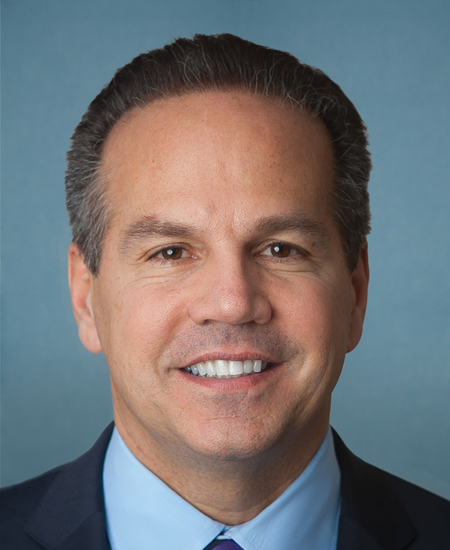
Rep. David N. Cicilline
Sponsored bills
Maddy summaryThe Women's Health Protection Act of 2023 would protect access to abortion services by prohibiting states from imposing restrictions that are more burdensome than those for comparable medical procedures. The bill would ensure people can obtain abortion services before fetal viability without unnecessary limitations like mandatory waiting periods or biased counseling, and after viability when necessary to protect the patient's life or health. It would preempt state laws that conflict with these protections and allow for civil enforcement actions to challenge restrictive state laws. This bill directly affects people seeking abortion services (including transgender and nonbinary individuals who can become pregnant), health care providers, and states that have implemented abortion restrictions.
Maddy summaryHCONRES 32 is a symbolic resolution supporting International Transgender Day of Visibility, introduced in the U.S. House of Representatives on March 30, 2023. It encourages Americans to observe the day through ceremonies and activities, celebrates transgender achievements, and recognizes the community's fight for dignity amid ongoing discrimination and anti-trans legislation. The resolution does not create new laws or policies - it is a non-binding statement of support, referencing over 700 anti-trans bills introduced in 2021-2023 that target education, healthcare, and identity documents. It directly acknowledges transgender individuals and their contributions without altering any legal rights or obligations.
Maddy summaryHR 1139, the GUARD VA Benefits Act, amends federal law to strengthen penalties for individuals or organizations charging veterans unauthorized fees when helping with VA benefit claims. It directly affects veterans seeking assistance with VA claims and the representatives (like advocates or attorneys) who might charge them fees. The bill adds a new provision making it a violation to solicit, charge, or receive any fee for preparing, presenting, or prosecuting VA claims, punishable by fines under Title 18. This change specifically targets unauthorized fee-charging while excluding fees covered under existing exceptions in sections 5904 or 1984 of the law.
This resolution encourages the African Union (AU) and its member countries to prioritize economic and political reforms that uphold human rights, combat corruption, create an enabling climate for private sector investment, and promote transparent and accountable governance. The resolution also calls on the U.S. President and Secretary of State to carry out initiatives that bolster trade, elevate diplomatic engagement, combat food insecurity, and promote peace in Africa. (AU is a multilateral organization consisting of 55 member states of the African continent.)
Maddy summaryThis bill changes how U.S. foreign aid is provided to international health organizations. It prevents U.S. agencies from denying aid to foreign non-governmental organizations (NGOs) solely because they offer health services (like counseling or referrals) using their own funds, as long as those services follow local laws. It also stops applying stricter rules about how foreign NGOs can use their own funds for advocacy compared to U.S. NGOs receiving similar aid. The bill directly affects foreign health-focused NGOs that rely on U.S. foreign assistance funding.
Maddy summaryHR 1808 prohibits the military from considering gender identity, sexual orientation, or sex characteristics when determining service eligibility or implementing policies. It requires that all eligibility decisions and military treatment be based solely on a person's ability to meet job-specific military standards, not on protected characteristics like race, religion, or sex. The bill directly affects all current and prospective military members by mandating equality in service through new provisions added to Title 10 of U.S. Code.
Maddy summaryHR 406 extends U.S. legal immunities to the Association of Southeast Asian Nations (ASEAN) under the same provisions that apply to other international organizations the U.S. engages with through treaties or congressional authorization. This would grant ASEAN diplomatic protections and legal standing comparable to existing international bodies, facilitating smoother interactions between ASEAN and U.S. entities. The bill is procedural, modifying legal recognition without changing U.S. foreign policy or substantive relations with Southeast Asia. It directly affects ASEAN's operational status under U.S. law.
Maddy summaryThe Pell Grant Sustainability Act adjusts Federal Pell Grants to keep pace with rising college costs by indexing them annually to inflation. It directly affects low-income undergraduate students who receive Pell Grants, ensuring the maximum award amount increases each academic year based on the Consumer Price Index. The bill replaces previous fixed amounts with a new formula: starting in 2023-2024, grants will be set at $6,895 (or the prior year's amount if higher), then adjusted yearly by the inflation rate. This change aims to restore the grant's purchasing power, which covered 80% of costs in 1974-75 but only 30% by 2020-21.
Maddy summaryHR 1093 requires the U.S. Secretary of State, with Defense Department coordination, to submit a detailed report to Congress within 90 days of enactment about implementing the AUKUS partnership's "advanced capabilities pillar." The report must include specific data on U.S. defense export license processing times for Australia and the UK (2021-2022), denial rates, ITAR violations by these nations, civil penalties assessed, and legal frameworks governing defense exports. It directly affects the State and Defense Departments, which must compile and submit this data, and impacts Australia and the UK as key partners in the trilateral security agreement. The bill focuses on transparency and administrative processes for defense cooperation, not on policy changes or outcomes.