

Maddy summaryHR 9274, the SHAWL Act, establishes two new Smithsonian museums: the National Museum of the American Latino and the American Women’s History Museum. It authorizes both museums to be located within the National Mall’s "Reserve" area, overriding prior restrictions, and requires federal agencies managing potential sites to transfer jurisdiction to the Smithsonian after notifying congressional committees. The bill mandates that both museums accurately represent diverse cultures, histories, and viewpoints within Latino and women’s communities through exhibits and programs, requiring input from a broad range of community experts. It also requires the Smithsonian to submit biennial reports to Congress detailing compliance with these representation requirements.
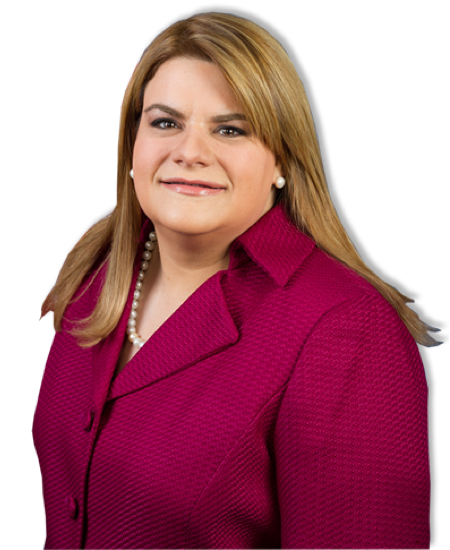
Rep. Jenniffer González-Colón
Sponsored bills
Maddy summaryThis bill increases funding for replacing insecure communication networks from $1.9 billion to $4.98 billion and allocates $3.08 billion for fiscal year 2024. It overhauls the Affordable Connectivity Program (ACP) by requiring all providers to use the National Verifier for eligibility checks, ending eligibility based on providers' own low-income programs, and removing device subsidies. The bill also mandates new antifraud controls, requires providers to certify households won't face early termination fees, and demands a report on program effectiveness within one year. These changes directly affect low-income households receiving subsidized broadband and internet service providers participating in the ACP.
Maddy summaryThis bill reauthorizes the Debbie Smith DNA Backlog Grant Program, which provides federal funding to state and local law enforcement agencies to reduce backlogs in processing DNA evidence from crime scenes. It extends the program's funding period from fiscal years 2024 through 2029 (previously ending in 2024). The bill also updates audit requirements to ensure grant funds are used properly through 2029. This directly affects law enforcement agencies that receive these grants to accelerate DNA analysis for criminal investigations.
Maddy summaryThis bill imposes sanctions on individuals and entities within the Palestinian Authority (PA) and Palestine Liberation Organization (PLO) that administer or support a system paying terrorists and their families. It targets PA/PLO officials, specific entities like the Commission of Prisoners, and financial institutions processing these payments, requiring property blocking, visa bans, and restrictions on U.S. financial transactions. The sanctions apply if the PA/PLO continues payments described in the Taylor Force Act (2018), which previously mandated ending such payments. The bill terminates if the Secretary of State certifies the PA/PLO has ceased these payments.
Maddy summaryThis resolution designates September 2024 as "PCOS Awareness Month" to highlight polycystic ovary syndrome (PCOS), a hormonal condition affecting an estimated 5-10 million U.S. women and girls. It recognizes PCOS as a serious health issue linked to infertility, type 2 diabetes, heart disease, mental health challenges, and other related conditions. The resolution urges increased public and medical education about PCOS, improved diagnosis, and research into better treatments, without creating new laws or funding. It directly supports women and girls living with PCOS by promoting awareness of its wide-ranging health impacts.
Maddy summaryHR 9130 grants Diego Montoya Bedoya permanent resident status (a green card) by waiving standard immigration requirements under the Immigration and Nationality Act. It allows him to apply for permanent residency within two years of the bill's enactment, waives grounds for removal or denial based on his past records, and requires the State Department to reduce a visa number for his country of origin by one. The bill specifically denies preferential immigration benefits to his relatives. This is a case-specific relief measure for one individual, not a general policy change.
Maddy summaryHR 5473, the Promoting Resilient Buildings Act of 2023, amends federal disaster recovery laws to improve how states and local governments use federal funds for building resilience. It updates the hazard mitigation revolving loan program under the Stafford Act to require that states implement building codes, standards, and any state or local amendments to those codes when applying for loans. This change directly affects state and local governments administering federal disaster mitigation funds, ensuring their updated building requirements are considered. The bill streamlines the process by removing outdated language and explicitly including state/local code modifications in the program's requirements.
Maddy summaryThis bill creates a new FEMA program to fund home energy storage systems (like batteries) for single-family homes affected by disasters. It directs FEMA to provide financial assistance under existing disaster relief laws for qualifying home energy storage systems installed in eligible single-residence structures. Eligible homes include single-family houses or units where less than 50% of the space is non-residential (e.g., a home in a duplex or small apartment building). FEMA must ensure projects are cost-effective for disaster resilience, and the program defines "home energy storage" as systems storing electricity for later use in residential settings. It directly affects homeowners seeking to improve power reliability after disasters.
Maddy summaryHRES 1358 is a resolution passed by the U.S. House of Representatives calling for accountability for Cuba's violations of internationally recognized human rights and its support for activities harming U.S. interests and democratic nations. It urges the U.S. government to maintain sanctions on Cuba until a democratic transition begins, seek Cuba's expulsion from the UN Human Rights Council, and retain Cuba on the State Sponsors of Terrorism list. The resolution also requires the State Department to submit biannual reports to Congress on efforts to promote democracy in Cuba and calls for action against the trafficking of Cuban medical personnel abroad. This resolution expresses congressional policy but does not create binding law.
Maddy summaryHRES 1355 is a non-binding resolution supporting the designation of July 10 as Journeyman Lineworkers Recognition Day. It honors lineworkers who maintain electrical infrastructure under hazardous conditions, including during disasters, and commemorates Henry Miller, the first president of the International Brotherhood of Electrical Workers, who died on July 10, 1896, while troubleshooting an electrical outage. The resolution encourages public recognition of these workers' contributions but does not create new laws or policies.