

Maddy summaryThe Kids in Classes Act requires states receiving Title I federal education funds to provide those funds directly to parents and guardians if in-person instruction is unavailable for more than three days during a school year due to public health emergencies or collective bargaining actions. This provision allows families to use the money for educational expenses such as tutoring, curriculum materials, online learning resources, private school tuition, and educational therapies for students with disabilities. The bill is designed to ensure that disadvantaged students, who are disproportionately affected by school closures, continue to receive educational support when regular classroom instruction is not available. By mandating that Title I funds follow eligible children, the legislation aims to prevent widening educational gaps between low-income students and their peers during periods when schools cannot operate normally.
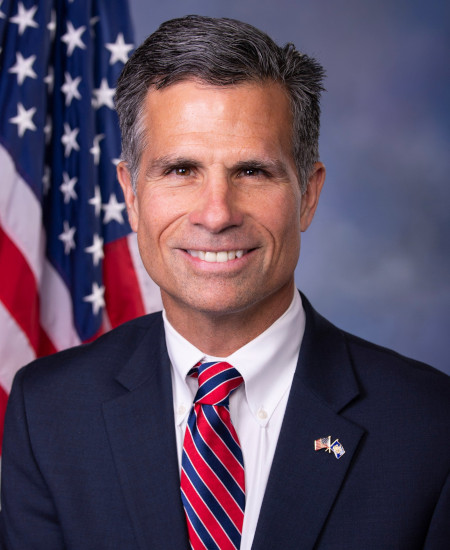
Rep. Daniel Meuser
Sponsored bills
Maddy summaryThis bill amends the Higher Education Act to require colleges and universities receiving foreign funds to publicly disclose more detailed information. Specifically, it mandates that institutions report the full identity of foreign sources (including individuals and organizations), the name of any foreign government involved, and the specific department, project, or division within the institution that receives the funds, along with the intended purpose of the payment. These changes apply to all foreign gifts and contracts reported under Section 117 of the Higher Education Act. The policy aims to increase transparency about foreign financial relationships with U.S. educational institutions.
Maddy summaryHR 1141, the Natural Gas Tax Repeal Act, repeals a specific provision (Section 136) of the Clean Air Act that established an incentive program for reducing methane emissions and waste in natural gas systems. This bill directly affects natural gas producers and operators who previously participated in or were subject to the methane emissions reduction program. The key mechanism is the removal of this incentive program, eliminating federal requirements and financial incentives related to methane waste reduction for the natural gas industry. The bill also rescinds unobligated funds allocated for this program. This is a policy change removing a regulatory incentive, not a tax repeal.
Maddy summaryHR 1457, the COAL Act, requires the Bureau of Land Management (BLM) to expedite processing for pending coal lease applications already in the system. It mandates the BLM to publish draft environmental assessments, set fair market value, and grant these leases promptly. The bill directly affects coal companies with applications under review under the Mineral Leasing Act. It also overrides Secretarial Order 3338 (2016), which had paused federal coal leasing, ensuring existing applications move forward without delay.
Maddy summaryThe DAIRY PRIDE Act would require food products using dairy-related terms (like "milk," "yogurt," or "cheese") to meet the FDA's definition of dairy - derived from animal milk - to prevent misleading labeling of plant-based alternatives. It directly affects producers of plant-based products currently marketed with dairy terms, such as almond or oat milk, which often lack comparable nutrition. The bill mandates the FDA issue enforcement guidance within 180 days and report to Congress on actions taken after two years. This policy change aims to align product names with the FDA's existing definition of dairy products under federal law.
USA Batteries Act This bill removes lead oxide, antimony, and sulfuric acid from the list of taxable chemicals subject to the environmental excise tax.
Maddy summaryThis bill authorizes a Congressional Gold Medal to honor the "Hello Girls" - female telephone operators who served in the Army Signal Corps during World War I. They provided critical battlefield communications in France (connecting 26 million calls), wore military uniforms, and faced combat risks, but were denied veteran benefits for 60 years due to being classified as civilian contractors. The medal recognizes their pioneering service, devotion, and the decades-long struggle to gain military recognition. The award follows similar recognition for other WWII women veterans and aims to correct the historical injustice they faced.
Maddy summaryThe PHIT Act of 2023 allows individuals and families to deduct certain fitness expenses as medical costs on their federal taxes. It covers gym memberships, fitness classes, and specific equipment used exclusively for exercise (like home workout gear), with a yearly limit of $1,000 ($2,000 for joint returns). Expenses for activities like golf, hunting, or non-exercise-focused facilities (e.g., private clubs) are excluded, and equipment must be used solely for physical activity. This directly affects taxpayers who pay for qualifying fitness programs, making these costs partially tax-deductible under revised IRS rules.
Maddy summaryHR 1375, the EFFECTIVE Act, requires the FDA to deny approval for new opioid pain medications unless they demonstrate a significant safety or effectiveness advantage over existing opioid drugs. This directly affects pharmaceutical companies developing new opioid analgesics by raising the approval standard. The bill amends the Federal Food, Drug, and Cosmetic Act to mandate that the FDA Secretary must determine if a new opioid offers meaningful benefits before granting approval. It does not change approval for non-opioid drugs or existing opioid medications.
Maddy summaryThis bill expands the use of 529 college savings accounts to cover career training and credentialing costs. It allows funds to pay for tuition, fees, books, and testing expenses related to recognized postsecondary credential programs (like vocational certifications) that meet specific standards under the Workforce Innovation and Opportunity Act. The change directly affects workers seeking industry-recognized credentials - such as nursing certifications or IT certifications - instead of traditional degrees. It treats these expenses the same as traditional college costs for 529 account withdrawals, making it easier to save for career-focused training. The provision applies to expenses paid after the bill's enactment date.