

Maddy summaryThis resolution aims to block a rule issued by the National Highway Traffic Safety Administration (NHTSA) that sets new fuel efficiency standards for passenger cars, light trucks (starting in 2027), and heavy-duty pickup trucks/vans (starting in 2030). If passed, it would prevent this specific rule from taking effect by disapproving it under a congressional review process. The rule directly affects vehicle manufacturers by requiring them to meet these updated fuel economy targets for future model years. This is a procedural resolution, not a new law, focused solely on halting the implementation of the existing NHTSA rule.
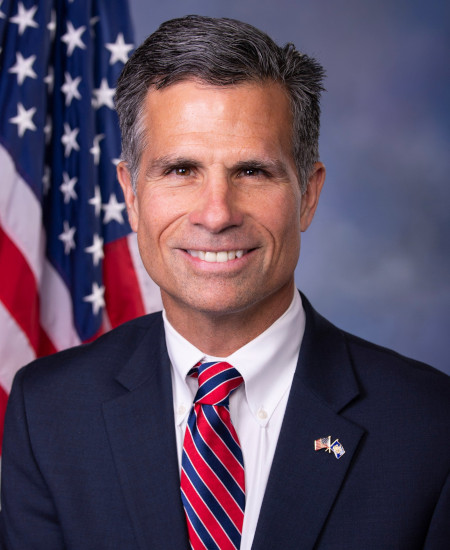
Rep. Daniel Meuser
Sponsored bills
Maddy summaryHR 9274, the SHAWL Act, establishes two new Smithsonian museums: the National Museum of the American Latino and the American Women’s History Museum. It authorizes both museums to be located within the National Mall’s "Reserve" area, overriding prior restrictions, and requires federal agencies managing potential sites to transfer jurisdiction to the Smithsonian after notifying congressional committees. The bill mandates that both museums accurately represent diverse cultures, histories, and viewpoints within Latino and women’s communities through exhibits and programs, requiring input from a broad range of community experts. It also requires the Smithsonian to submit biennial reports to Congress detailing compliance with these representation requirements.
Maddy summaryHJRES 127 is a congressional disapproval resolution targeting a Securities and Exchange Commission (SEC) rule requiring public companies to standardize climate-related financial disclosures. It seeks to block the SEC’s March 2024 rule (89 Fed. Reg. 21668), which would mandate consistent reporting on climate risks for investors. If passed, this resolution would prevent the SEC rule from taking effect, directly affecting publicly traded companies required to comply with the proposed disclosure standards. The bill uses a specific congressional process under Title 5, U.S. Code, to nullify the rule without creating new regulations.
Maddy summaryHJRES 124 is a resolution seeking congressional disapproval of a rule issued by the Office of the Comptroller of the Currency (OCC) that required large financial institutions to adopt climate-related risk management practices. The rule, published in October 2023 (88 Fed. Reg. 74183), would have mandated major banks to assess and manage climate change risks in their operations. This resolution, if passed, would block the rule from taking effect by invoking the congressional disapproval process under Title 5 of the U.S. Code. It directly affects large banks and financial institutions that would have been required to comply with the climate risk management standards. The bill does not create new rules but aims to prevent the implementation of the OCC's existing proposal.
Maddy summaryHJRES 126 is a congressional disapproval resolution targeting a Federal Deposit Insurance Corporation (FDIC) rule issued in October 2023. The resolution seeks to block the FDIC's "Principles for Climate-Related Financial Risk Management for Large Financial Institutions" rule, which required major banks to assess climate risks. If passed, this resolution would nullify the rule, directly affecting large financial institutions by removing a requirement to manage climate-related financial risks. The resolution uses a procedural mechanism under federal law to halt the rule's implementation without creating new regulations.
Maddy summaryHJRES 122 is a resolution seeking to block a rule by the Consumer Financial Protection Bureau (CFPB) that would have regulated credit card penalty fees. The rule, published on March 15, 2024, aimed to limit how credit card companies charge fees for late payments or other violations. If approved, this resolution would disapprove the rule under a specific legal process, preventing it from taking effect. This directly affects credit card issuers (banks and financial institutions) by allowing them to continue current fee practices without the proposed restrictions.
Maddy summaryHRES 1394 is a non-binding resolution celebrating the U.S.-India partnership based on shared democratic values, religious pluralism, and human rights, while highlighting the contributions of the Indian diaspora in the United States. It specifically recognizes the 50th anniversary of BAPS Swaminarayan Sanstha's community work, including its spiritual centers (mandirs) and volunteer efforts across the country. The resolution does not create legal obligations but formally acknowledges these ties and achievements.
Maddy summaryThis bill reauthorizes the Debbie Smith DNA Backlog Grant Program, which provides federal funding to state and local law enforcement agencies to reduce backlogs in processing DNA evidence from crime scenes. It extends the program's funding period from fiscal years 2024 through 2029 (previously ending in 2024). The bill also updates audit requirements to ensure grant funds are used properly through 2029. This directly affects law enforcement agencies that receive these grants to accelerate DNA analysis for criminal investigations.
Maddy summaryHRES 1371 is a House resolution condemning the Biden Administration and Vice President Kamala Harris for failing to secure the U.S. border. It cites statistics including over 9.7 million illegal immigration encounters since 2021 and the end of the Remain in Mexico program as evidence. As a symbolic resolution with no policy changes, it publicly expresses the House's disapproval of current border policies without altering any laws or enforcement actions.
Maddy summaryThis bill permanently removes a 2026 expiration date for a tax exclusion allowing employers to pay employees' student loans through educational assistance programs without those payments being counted as taxable income. It directly affects employees who receive employer-sponsored student loan repayment assistance and employers offering such programs. The key provision amends the Internal Revenue Code to make this tax exclusion permanent, applying to all future payments made after the bill's enactment. This change simplifies the tax treatment for both employers and employees participating in these student loan repayment programs.