

Repealing Big Brother Overreach Act This bill repeals the Corporate Transparency Act. The act requires existing companies and newly created companies to report beneficial ownership information to the Department of the Treasury’s Financial Crimes Enforcement Network for purposes of addressing the financing of terrorism and money laundering.
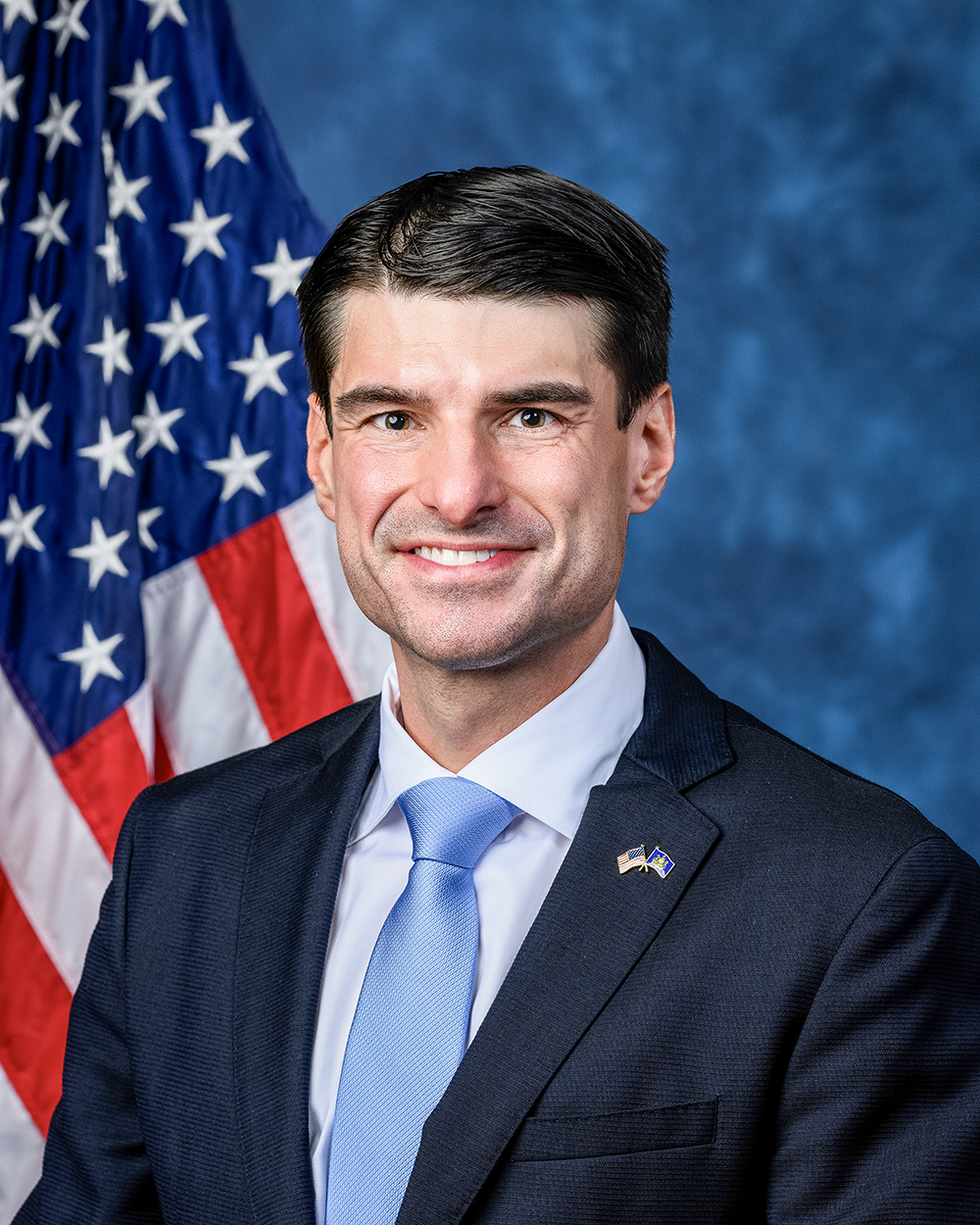
Rep. Robert P. Bresnahan, Jr.
Sponsored bills
Maddy summaryThe Local Control Protection Act restricts federal courts from hearing challenges to local zoning decisions that deny permits for large data centers, provided those denials were made by recorded vote with documented findings. It also prohibits federal agencies from approving permits for these facilities if the developer is currently suing to overturn a local government's denial. Additionally, the bill requires developers of covered data centers to receive tax credits only if they sign enforceable agreements with local officials to address infrastructure impacts, monitor environmental effects, and prioritize hiring local workers and contractors.
Maddy summaryHR 5408, the Faster Labor Contracts Act, requires employers to begin negotiating a first contract with a newly certified union within 10 days of written request. If no agreement is reached within 90 days, the parties must seek mediation, and if unresolved after 30 days of mediation, the dispute moves to binding arbitration by a three-member panel. The arbitration decision, based on factors like employer finances, industry standards, and cost of living, becomes binding for two years. This bill directly affects newly certified unions and their employers during initial contract negotiations, aiming to reduce delays that currently average 465 days.
Maddy summaryThis bill would add pharmacist services to Medicare Part B coverage for beneficiaries, specifically covering pharmacist-led testing and treatment for illnesses like flu, COVID-19, or strep throat during public health emergencies. It defines covered services as those performed under state law, often requiring collaboration with a physician, and sets payment at 80% of the lesser of the actual charge or 85% of physician payment rates. Pharmacists would be prohibited from balance billing for these services, ensuring Medicare beneficiaries pay only their standard copayment. The changes would take effect January 1, 2026.
Maddy summaryThe Recycling Infrastructure and Accessibility Act of 2025 establishes a competitive federal grant program to fund projects improving recycling access in underserved communities. It authorizes $30 million annually (2025-2029) for grants to states, local governments, tribes, or public-private partnerships to build infrastructure like transfer stations, expand curbside collection, or reduce transport costs. Grants must be $500,000-$15 million, with 70% reserved for projects in communities lacking a materials recovery facility within 75 miles. The program requires grantees to report on implementation and outcomes, excluding funding for recycling education.
Maddy summaryThis bill authorizes the U.S. Mint to produce commemorative $5 gold and $1 silver coins marking the 25th anniversary of the September 11, 2001, terrorist attacks. The coins must feature designs honoring victims and first responders (including the inscription "Never Forget") and will be sold only during 2027-2028. All surcharges ($35 per gold coin, $10 per silver coin) collected from sales will fund the National September 11 Memorial and Museum at the World Trade Center, with no net cost to the federal government. The coins are legal tender but primarily intended for collectors, not circulation.
Maddy summaryThe Smithsonian American Women’s History Museum Act authorizes the creation of a new Smithsonian museum dedicated to women’s history, to be located within the National Mall Reserve in Washington, D.C. If the site is managed by another federal agency, the bill requires that agency to transfer the land after notifying Congress and relevant committees. The museum must ensure exhibits and programs accurately represent diverse women’s experiences by consulting a broad range of experts and community voices. The Smithsonian will submit biennial reports to Congress detailing how the museum meets these representation standards.
Maddy summaryThis bill designates May 2026 as National Electrical Safety Month to raise public awareness about electrical hazards in homes, schools, and workplaces. It encourages citizens to adopt safety habits, such as inspecting for hazards and installing protective devices like smoke alarms and ground-fault circuit interrupters. The resolution also supports the work of the Electrical Safety Foundation International and requests that the President issue a proclamation to promote safety programs during the designated month.
Maddy summaryHR 4109, the Recycling and Composting Accountability Act, requires the Environmental Protection Agency (EPA) to collect and report detailed data on recycling and composting infrastructure across the U.S. The bill mandates reports on composting facilities, materials recovery centers (which process recyclable materials like plastic, paper, and metal), contamination rates, and barriers to expanding these programs. It also directs the EPA to develop standardized recycling rates, track end-market sales of recycled materials, and assess how much recyclable material is diverted from reuse. These reports will be submitted to Congress and used by states, local governments, and tribes to improve recycling access, reduce waste, and inform future policy decisions.
This resolution expresses support for police officers and other law enforcement personnel. The resolution further recognizes law enforcement officers across the United States in the pursuit of preserving safe and secure communities; the need to ensure that such officers have the equipment, training, and resources necessary to protect their health and safety while they are protecting the public; and the law enforcement community for acts of sacrifice and heroism. The resolution expresses condolences and appreciation to the loved ones of each law enforcement officer who has made the ultimate sacrifice in the line of duty.