

Maddy summaryThis bill requires wagering and prediction market platforms to use facial recognition technology to verify that all users are over 18 years old before allowing them to place bets or orders. To protect user privacy, the law mandates that these platforms collect only the data strictly necessary for age verification and must delete any such data once it is no longer needed. The Federal Trade Commission is given the authority to enforce these age verification rules and can issue penalties for violations. Additionally, the legislation establishes a new Office of the Retail Advocate and an Advisory Council within the Commodity Futures Trading Commission to better protect individual investors and oversee the regulation of event contracts.
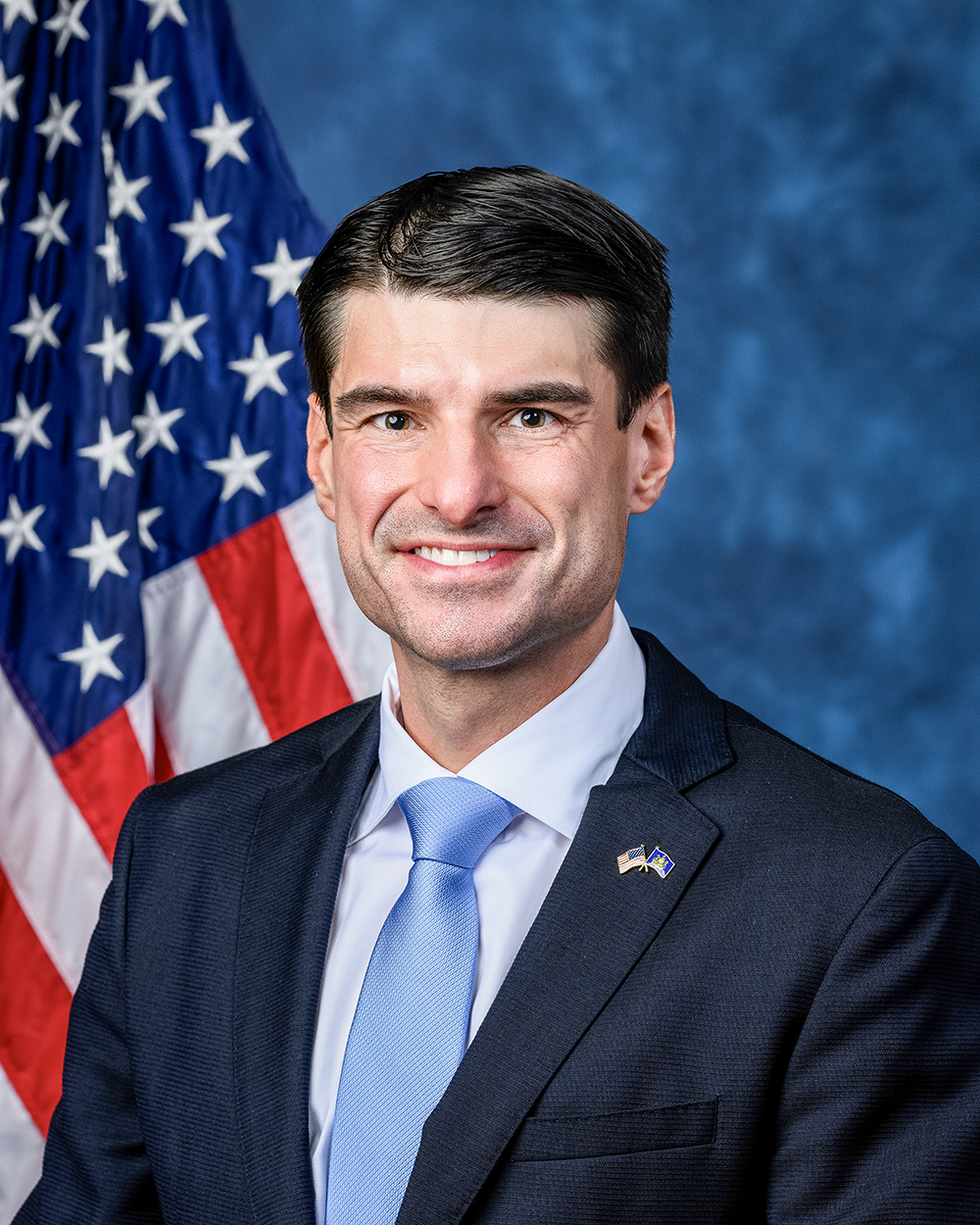
Rep. Robert P. Bresnahan, Jr.
Sponsored bills
Maddy summaryHR 7184, the PRESS Act, targets equipment used to manufacture illegal drugs by making it unlawful to sell specific items like tableting machines, gelatin capsules, or related chemicals when the seller knows the equipment will be used to produce controlled substances for unlawful U.S. importation. It directly affects manufacturers and distributors of these drug-making tools who have knowledge or reasonable cause to believe their products will facilitate illegal drug trafficking. The bill adds new prohibitions to the Controlled Substances Act and increases potential prison sentences for violations, with penalties reaching up to 20 years for major offenses involving large quantities of equipment or chemicals. These changes aim to disrupt the supply chain for illicit synthetic drugs by holding equipment sellers accountable for their intended use.
Maddy summaryThis bill requires Medicare Advantage plans to implement electronic pre-approval systems for medical services by 2028 and meet transparency reporting standards starting in 2027. Plans must publicly report data on approval/denial rates, appeal outcomes, response times, and technology use for pre-approval requests, including details on how denials relate to clinical criteria. It establishes a 24-hour response timeframe for certain requests and mandates annual reviews of pre-approval requirements based on data and input from seniors and providers. The law directly affects Medicare Advantage plans, seniors enrolled in these plans, and healthcare providers who submit pre-approval requests. These changes aim to make the pre-approval process faster, more transparent, and more accountable for seniors seeking covered medical services.
Maddy summaryThis resolution expresses support for designating July 10th as Journeyman Lineworkers Recognition Day to honor the workers who maintain the nation's electrical grid. The bill specifically recognizes the dangerous conditions these employees face, such as working at heights near live power lines and responding to disasters like hurricanes and wildfires. It also commemorates Henry Miller, the first president of the International Brotherhood of Electrical Workers, who died on July 10, 1896, while performing his duties. Ultimately, the measure encourages the public to observe this day with reflection on the contributions of lineworkers.
Maddy summaryHR 5498 requires the Small Business Administration (SBA) to share information about health insurance reimbursement plans (specifically "individual coverage health reimbursement arrangements" or ICHRAs) with small businesses. The SBA must distribute this information through its local offices, small business development centers, and online channels like social media and its website. This bill directly affects small business owners by helping them understand a coverage option where employers reimburse employees for individual health insurance premiums. It focuses on increasing awareness of existing federal health coverage tools, not changing the rules themselves.
Maddy summaryThis bill requires the Department of Veterans Affairs to create a data-sharing agreement with the Department of Health and Human Services to prevent duplicate or incorrect medical billing for veterans. Under this arrangement, the two agencies would exchange information about veterans who are enrolled in both the VA system and Medicare, Medicaid, or Medicare Advantage plans to identify and stop improper payments. The agreement would last for two years, and the VA must report to Congress on how effective the data sharing is at reducing billing errors.
Maddy summaryThis bill, known as the NFIP Premium Transparency Act, requires the Federal Emergency Management Agency to provide homeowners with flood insurance policies with more detailed information about their premiums and risk factors. Under the new rules, insurance declaration pages will list current rates, explain any discounts, show claim history, and estimate how long it will take for premiums to reach full-risk levels. Additionally, the agency must create an online tool that allows the public and property owners to view specific rating factors, such as elevation and building type, and to simulate how changes like mitigation projects might lower future costs. The legislation also mandates annual reports on flood insurance rates by region and asks an independent government official to study ways to further improve the transparency and functionality of these insurance tools.
Maddy summaryThe Support our Firefighters Act establishes a new paid rest and recuperation leave program for federal wildland firefighters working for the Forest Service and the Department of the Interior. Under this law, these employees would receive paid time off immediately after completing a qualifying fire incident, with specific rules requiring a minimum number of rest days following periods of deployment. The bill also allows for the transfer of up to $5 million in funding from the Department of Agriculture to the Department of the Interior to help sustain salary increases for these workers. Additionally, the legislation updates existing overtime rules to remove specific year limits, ensuring that wildland firefighters can work extended hours without hitting caps in future years.
Maddy summaryThis bill redesignates the existing National Parks and Public Land Legacy Restoration Fund as the America's Legacy Restoration Fund to address deferred maintenance on federal lands. It directs revenue from recreation fees and a portion of energy development income into the fund, which must be used primarily for repairing critical infrastructure like roads, trails, and buildings managed by agencies such as the National Park Service and the Forest Service. The legislation establishes strict rules requiring that most funds go toward non-transportation projects, mandates transparency through public dashboards tracking project status, and sets aside a small percentage for matching private donations. Additionally, the bill increases entrance fees for foreign visitors to ensure they contribute to the fund, while prohibiting the use of these specific funds for land acquisition or employee bonuses.
Maddy summaryThis bill directs the Government Accountability Office to conduct a study on how federal cybersecurity programs help small businesses protect themselves from digital threats. The investigation will examine the effectiveness of current resources in identifying risks, assessing preparedness, and planning responses to cyberattacks and fraud. Additionally, the study will analyze why some small businesses are unaware of these tools and suggest ways to improve their coordination and accessibility. The final report will be submitted to congressional committees without requesting any new funding for the project.