

Maddy summaryHRES 651 is a non-binding resolution supporting the commemoration of August 14, 2025, as the 90th anniversary of the Social Security Act's signing on August 14, 1935. It recognizes the Social Security Act as a landmark law establishing federal economic security for elderly Americans and acknowledges the program's role as a vital part of the nation's social safety net over 90 years. The resolution does not create new policies or affect any individuals or programs; it is purely symbolic recognition of the anniversary. It was introduced by Representatives Bresnahan, Tenney, Lawler, Nunn, Kiggans, Kean, and Fitzpatrick.
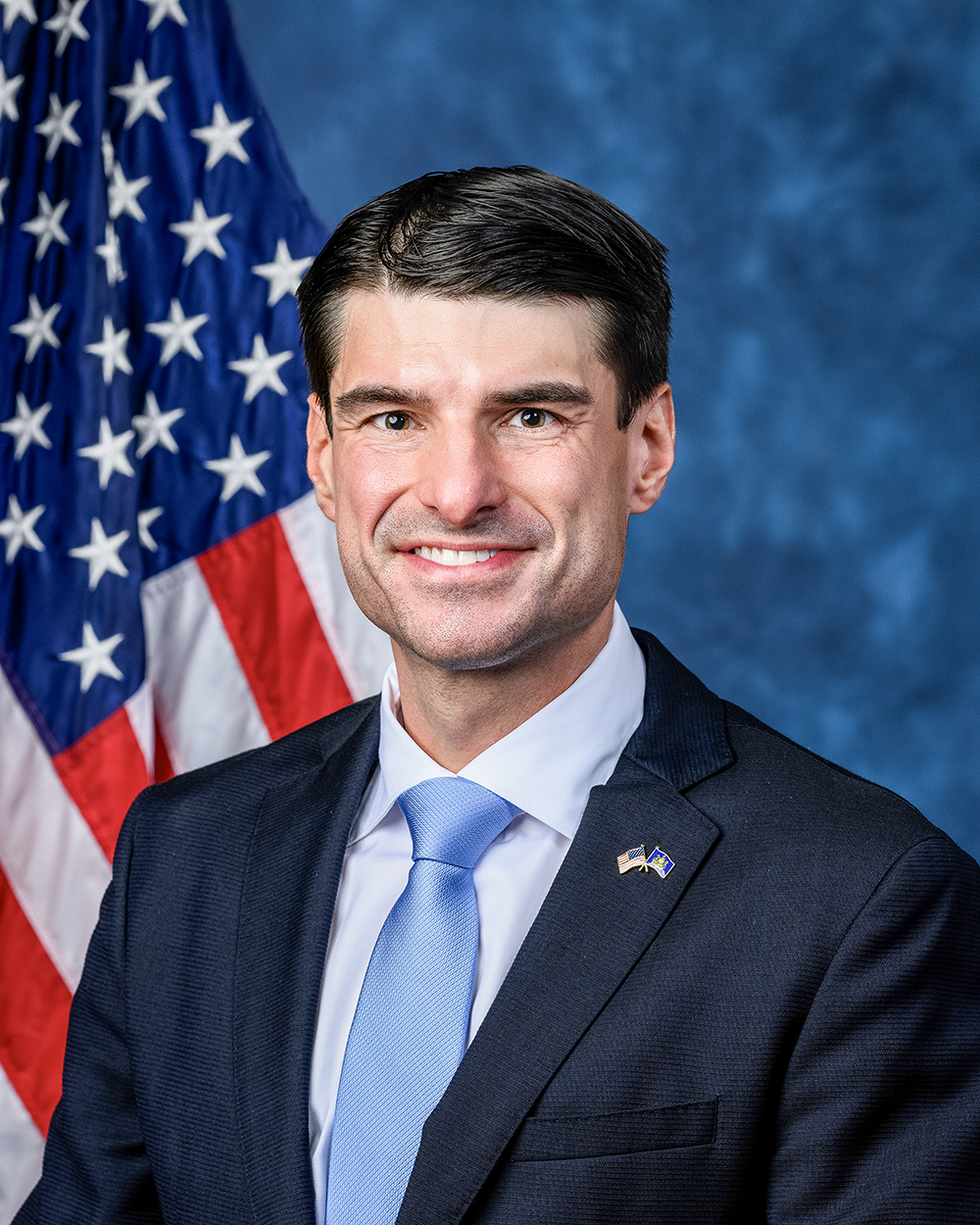
Rep. Robert P. Bresnahan, Jr.
Sponsored bills
Maddy summaryHR 4979, the Tick Identification Pilot Program Act of 2025, allows the CDC to award grants to state health departments to create programs where residents can submit photos of ticks they encounter online. The programs must provide users with a tick species ID, disease risk estimate, and prevention advice within 72 hours, while tracking location, date, and environmental details of each encounter. States with high Lyme disease rates and strong implementation plans receive priority for funding. The initiative directly affects the public (especially in tick-prone areas) and state health agencies, focusing on improving early detection and public education through a centralized data system. The CDC will report annual data on program participation and outcomes to Congress from 2026-2029.
Maddy summaryThe BITE Act establishes a national system to prevent diseases spread by ticks, mosquitoes, and fleas. It requires the Health Secretary to create a system with six key parts: a public vector identification service, an AI-powered early warning system using weather and habitat data, insurance claims monitoring for early outbreak detection, emergency room symptom tracking, targeted public education campaigns, and a goal to reduce Lyme disease by 25% by 2035. This system integrates human, animal, and environmental data (One Health approach) and serves both civilians and military medical facilities. The bill directly affects public health agencies, healthcare providers, and communities in areas with vector-borne diseases. Its key mechanism is using real-time data from multiple sources to predict and prevent disease outbreaks before they spread widely.
Maddy summaryThis bill creates a special postage stamp that allows the public to voluntarily contribute to Lyme disease research. All money from stamp sales will go directly to the National Institute of Allergy and Infectious Diseases (NIAID) at the NIH, with proceeds specifically designated for Lyme disease and tick-borne illness research. The funds cannot be used to offset other NIH research funding, and the stamp would be available for at least six years after the law takes effect. It directly affects the public (through voluntary purchases) and NIAID (as the recipient of dedicated research funding).
Maddy summaryHR 4784, the Don Young American Grown Act, requires that cut flowers and cut greens displayed officially in federal buildings - specifically in the Executive Office of the President, State Department, or Defense Department - must be grown in the United States. This affects federal facilities and their display practices, not the general public or commercial markets. The bill includes an exception allowing federal employees to use imported items for personal displays. It defines "produced in the United States" to include all states, the District of Columbia, territories, and federally recognized tribal lands. The rule takes effect one year after enactment.
Maddy summaryThis bill updates the TRICARE Young Adult Program to make healthcare coverage more accessible for military dependents. It directly affects young adults (ages 21-26) who are children of active-duty service members, by eliminating a separate premium they previously paid for coverage. Key changes include removing an extra cost for young adults and adjusting eligibility rules to simplify enrollment. These amendments aim to reduce out-of-pocket expenses and streamline access to health insurance under the program.
Maddy summaryThis bill adds "spotted lanternfly control" as a priority research area under federal agricultural funding, authorizing grants to develop and share tools for combating the invasive spotted lanternfly pest (Lycorma delicatula). It directly affects farmers, agricultural communities, and state departments of agriculture in states like Pennsylvania where the pest causes significant crop damage. The key provision amends existing law to allow research grants focused on creating effective treatments and management strategies for the pest. The bill also extends the funding period for all high-priority research initiatives through 2030.
Resident Physician Shortage Reduction Act of 2025 This bill increases the number of residency positions eligible for graduate medical education payments under Medicare for qualifying hospitals, including hospitals in rural areas and health professional shortage areas. The bill provides for an additional increase of 2,000 positions per fiscal year from FY2026-FY2032; during this period, each hospital may receive up to 75 additional positions in total under the bill and current law. Additionally, one-third of the positions that are made available under the bill must be allocated to hospitals that are already operating above applicable resident limits. The bill also requires the Government Accountability Office to report on strategies to increase the diversity of the health professional workforce, including with respect to representation from rural, low-income, and minority communities.
Maddy summaryHR 4606, the Ally’s Act, requires private health insurance plans (including employer-sponsored plans and individual coverage) to cover hearing implants and related services. It directly affects people with hearing loss who need cochlear implants, bone conduction devices, or external sound processors, as determined by a physician or audiologist. The bill mandates coverage for devices, maintenance, repairs, upgrades every 5 years, hearing assessments, surgery, and rehabilitation - without separate cost-sharing or stricter limits than other medical services. Insurers cannot deny coverage if a provider deems the service medically necessary. The law applies to all applicable health plans and takes effect for plan years beginning January 1, 2026.
Maddy summaryThis bill prohibits life, disability, and long-term care insurers from denying coverage, canceling policies, or increasing premiums based solely on a person's status as a living organ donor. It directly protects living organ donors by preventing insurance discrimination unrelated to actual health risks. The bill also requires the Health and Human Services Secretary to update public educational materials about organ donation benefits, risks, and insurance impacts within six months of enactment. These materials will include information on the new insurance protections established by the bill. The law relies on state insurance regulators for enforcement of the insurance provisions.