

Maddy summaryThis bill ensures continued pay for specific Department of Homeland Security (DHS) personnel and Coast Guard members during government shutdowns in fiscal years 2026-2027. It directly affects DHS law enforcement officers (including those in job series like 0083, 1801, and 1811), DHS administrative and payroll staff, and Coast Guard personnel. The bill authorizes emergency funding from the Treasury to cover their pay and allowances when regular appropriations are not in place. This funding expires on January 1, 2027, or earlier if Congress passes a new appropriations bill covering these costs.
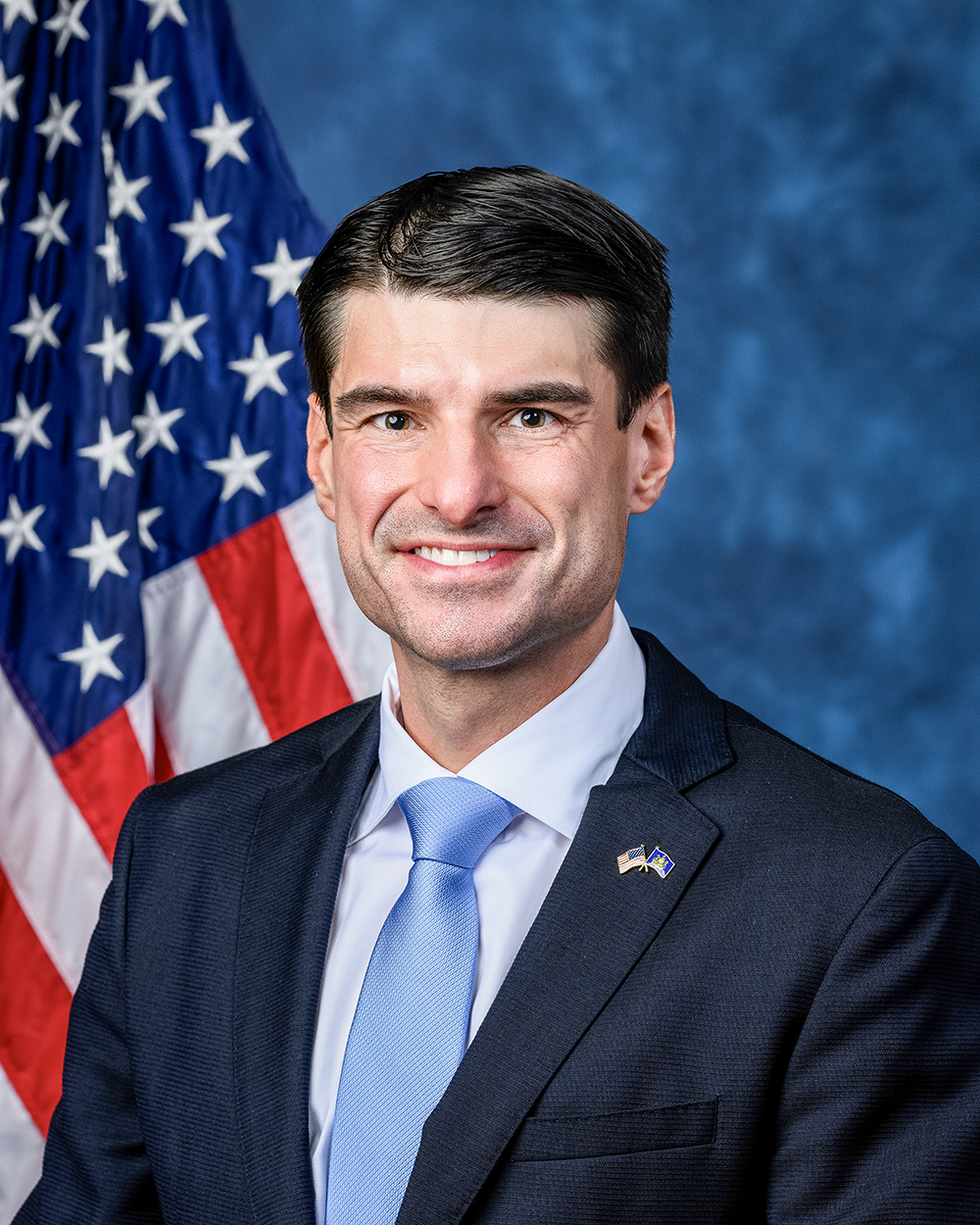
Rep. Robert P. Bresnahan, Jr.
Sponsored bills
Maddy summaryThis bill permanently bans nitazenes and all structurally related synthetic opioids under federal law, creating a broad definition that covers numerous chemical variations designed to evade current restrictions. It directly affects anyone manufacturing, distributing, or possessing these substances without authorization, including illicit drug producers and users. The key mechanism is a class-wide Schedule I classification that includes specific structural features (like modified benzimidazole rings) and excludes new analogs from legal loopholes. This approach aims to prevent new nitazene variants from entering the illegal market and addresses their role in overdose deaths. Substances previously temporarily banned under similar rules will now be permanently prohibited as of the bill's enactment.
Maddy summaryHR 5401, the Pay Our Troops Act of 2026, ensures military personnel, civilian Defense workers, and supporting contractors receive pay during government funding gaps in fiscal year 2026. It appropriates emergency funds for active-duty service members, reserves, and their supporting personnel (including Coast Guard staff under DHS) if regular appropriations aren't enacted by the end of the fiscal year. The bill provides necessary pay and allowances during any period when full-year funding is unavailable, covering both active service and support roles. Funding expires when regular appropriations are passed, a funding resolution is enacted, or January 1, 2027, whichever comes first. This is a procedural measure to prevent pay delays for military and support staff during fiscal year 2026 funding lapses.
Maddy summaryThe Bipartisan Bulletproof Vest Partnership Program Expansion Act increases federal funding for law enforcement bulletproof vests by raising the grant share from 50% to 60% for state and local agencies. It also authorizes $60 million annually for the program from fiscal years 2026 through 2030. This change reduces the cost burden on participating agencies, requiring them to cover only 40% of vest costs instead of 50%. The bill directly affects state and local law enforcement agencies that apply for these grants to purchase protective gear.
Maddy summaryHR 5100 extends the Small Business Innovation Research (SBIR) and Small Business Technology Transfer (STTR) programs through fiscal year 2026, instead of ending on September 30, 2025. This bill directly affects small businesses and research institutions that rely on federal funding for research and development through these programs. The key mechanism is updating expiration dates across multiple program provisions in the Small Business Act to maintain funding authority and program operations for one additional year. The extension does not alter program eligibility, funding levels, or core requirements.
Maddy summaryHR 1107, the *Protecting Veteran Access to Telemedicine Services Act of 2025*, allows Department of Veterans Affairs (VA) health professionals to prescribe and dispense medications regulated under federal law (like opioids or stimulants) via telemedicine without requiring an in-person medical exam first. This directly affects veterans receiving VA care and VA-employed health professionals who provide telemedicine services. The bill requires providers to hold a valid state license, act within their professional scope, and ensure prescriptions serve a legitimate medical purpose. It does not change existing federal drug laws but streamlines access to controlled medications for veterans through telehealth, particularly benefiting those in rural or remote areas.
Maddy summaryHRES 716 is a symbolic resolution designating September 15-19, 2025, as "National Clean Energy Week" to raise awareness about clean energy. It encourages voluntary actions like investing in clean energy technologies but does not create new laws, funding, or requirements. The resolution cites the clean energy sector's economic role (noting 8.5 million U.S. jobs in 2024 per the Department of Energy) and applauds national laboratories. As a non-binding gesture, it directly affects no individuals or entities but aims to promote existing clean energy initiatives.
Maddy summaryHRES 695 is a commemorative resolution honoring Charlie Kirk, a conservative speaker and Turning Point USA leader, following his assassination on September 10, 2025, in Orem, Utah. The resolution condemns the attack, offers condolences to his family, and recognizes first responders. It reaffirms the First Amendment right to peaceful assembly and emphasizes that violence cannot silence democratic participation. This non-binding resolution does not create new laws or policies but serves as a symbolic tribute to Kirk's memory and the principles of democratic engagement.
Maddy summaryThe RESULTS Act (HR 5269) changes how Medicare calculates payment rates for clinical diagnostic laboratory tests. It requires Medicare to collect data on private payor rates for widely available non-Advanced Diagnostic Laboratory Tests (non-ADLTs) from a qualifying independent claims data entity (a national nonprofit organization meeting specific criteria) rather than relying on data reported directly by laboratories. For tests where data is unavailable, the bill establishes default payment rates based on previous years' rates adjusted for inflation. The law also requires Medicare to publicly explain payment rates with supporting data, affecting Medicare beneficiaries, clinical laboratories, and private payors that provide services covered by Medicare.
Maddy summaryThis bill ensures U.S. Border Patrol Agents and Customs and Border Protection officers who continue working during a government shutdown receive their salaries. It authorizes funding from the Treasury for fiscal year 2026 to cover their salaries and expenses during any lapse in discretionary appropriations. The measure specifically applies to employees "excepted from furlough," meaning those required to work during shutdowns. It does not change eligibility for pay but guarantees funding for these personnel during funding gaps.