

Maddy summaryThis bill, the Senior Hunger Prevention Act of 2023, aims to improve access to nutrition assistance for older adults and people with disabilities through several key changes to the Supplemental Nutrition Assistance Program (SNAP) and related programs. It extends SNAP certification periods to 36 months, establishes a standard medical expense deduction for elderly/disabled participants, and creates streamlined application processes (Elderly Simplified Application Program and Combined Application Program) to reduce administrative burdens for eligible households. The bill also establishes a pilot program to improve enrollment among older adults, kinship families, and people with disabilities, and adds provisions for food delivery services for SNAP participants who are elderly or disabled and unable to shop. Additionally, it increases funding for the Seniors Farmers' Market Nutrition Program and creates infrastructure funding for farmers' markets to improve access to fresh food in underserved communities.
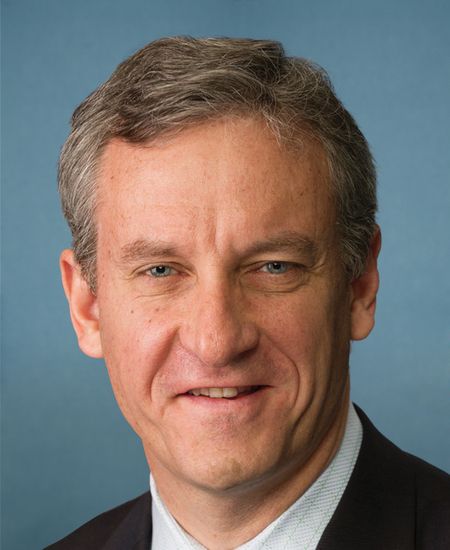
Rep. Matt Cartwright
Sponsored bills
Maddy summaryThe Bonding Reform and Taxpayer Protection Act of 2023 requires oil and gas operators on federal lands and National Wildlife Refuge System lands to provide financial assurances (bonds) before starting surface-disturbing activities to cover reclamation costs. It sets minimum bond amounts of $150,000 per activity or $500,000 per state (adjusted for inflation), and mandates both interim and final reclamation plans for all operations. The bill also establishes a $0.10 per barrel fee on oil and gas production from federal lands to fund orphaned well plugging and reclamation, and creates annual inspection fees based on the number of wells (ranging from $700 to $9,800 annually). These provisions aim to ensure taxpayers aren't left bearing the cost of reclamation when operators fail to meet their obligations.
Maddy summaryHJRES 76 proposes renaming the Robert E. Lee Memorial in Arlington National Cemetery to the "Arlington House National Historic Site." This procedural bill would replace all official references to the memorial with the new name and repeal two prior resolutions (1955 and 1972) that established the memorial. The change affects how the site is identified in federal laws, documents, and records but does not alter its management or historical significance. The bill focuses solely on the official designation, not on policy changes or historical interpretation.
Maddy summaryThe SERVE Act (HR 4244) amends the Higher Education Act of 1965 to clarify that "service in the uniformed services" includes National Guard and Reserve members serving on active duty, active duty for training, or National Guard duty under State or Federal authority. This change ensures that service members in these categories are explicitly covered by existing readmission protections when returning to educational institutions after military service. The bill directly affects service members and veterans seeking to resume their education by making eligibility for these protections clearer and more inclusive. It is a definitional update that does not create new benefits but aligns existing law with current military service structures.
Maddy summaryThis bill improves the VA Work-Study program for veterans and active-duty military members by expanding eligible work opportunities to include roles with state/local governments and nonprofits that support veterans. It establishes a higher minimum wage standard, requiring payments to meet the highest of federal, state, or local minimum wage rates. The bill also requires electronic time tracking for participants and annual public reporting on program data, including participant demographics, wages, hours worked, and participating schools. These changes apply to work-study payments made on or after January 1, 2026.
Maddy summaryThe Equality Act (HR 15) would amend federal civil rights laws to explicitly prohibit discrimination based on sexual orientation and gender identity in public accommodations, housing, employment, credit, and jury service. It amends the Civil Rights Act of 1964 to include sexual orientation and gender identity as protected characteristics under existing sex discrimination provisions. The bill would require businesses, housing providers, employers, and government entities to provide equal access and services without regard to a person's sexual orientation or gender identity. It includes specific definitions for gender identity and sexual orientation to clarify protections across all covered areas. The law would apply to all entities covered by the Civil Rights Act of 1964, including those receiving federal funding.
Maddy summaryHR 4121, the Right to Contraception Act, establishes a federal statutory right for individuals to access contraceptives and contraception services without government restriction or coercion, directly affecting all people seeking reproductive care and health care providers. The bill prohibits state or federal laws that limit access to contraceptives (defined broadly to include devices, drugs, and fertility methods), prevent individuals from obtaining or using them, or allow providers to refuse services based on personal beliefs. It preempts conflicting state laws, requires any restrictions to be justified by "clear and convincing evidence" of advancing access with no less restrictive alternative, and allows private lawsuits to challenge violations. The Act applies nationwide to all health care providers and individuals, protecting access regardless of factors like race, income, or location.
Maddy summaryHR 3946, the FASD Respect Act, establishes a new federal program within the Department of Health and Human Services (HHS) to address fetal alcohol spectrum disorders (FASD). The bill creates FASD Centers for Excellence to build state, tribal, and national capacity for prevention, identification, and support services - directly affecting individuals with FASD, their families, and healthcare providers. Key provisions include developing standardized diagnostic guidelines, expanding screening and training for medical professionals, creating a national resource directory for FASD services, and promoting culturally informed interventions. The program requires HHS to report to Congress on progress within four years. This legislation restructures existing HHS authority to focus comprehensively on FASD across the lifespan, replacing older terminology with consistent "FASD" references.
Maddy summaryThe Senior Legal Hotline Act of 2023 creates a federal grant program to fund statewide legal assistance hotlines for older adults. It authorizes $10 million annually (2024-2028) for competitive grants to nonprofit organizations or partnerships that establish free legal hotlines providing telephone-based counseling, referrals, and advocacy to seniors. These hotlines must prioritize older individuals with the greatest economic and social need, coordinate with state agencies and other legal aid providers, and ensure trained staff/volunteers serve all areas of the state. The bill directly affects seniors across all 50 states through expanded access to no-cost legal help for civil issues like housing, benefits, and elder abuse.
Maddy summaryHR 4166, the Support UNFPA Funding Act, authorizes annual U.S. funding for the United Nations Population Fund (UNFPA) over five years. It directly supports UNFPA’s global programs serving women and girls in over 150 countries, particularly focusing on reducing preventable maternal deaths, expanding access to contraception, ending gender-based violence, and addressing harmful practices like female genital mutilation and child marriage. The bill specifically directs funding toward UNFPA’s core work in developing nations, humanitarian crises (such as in Ukraine and Yemen), and rebuilding health systems post-pandemic, without altering UNFPA’s existing operations or policies.