

Maddy summaryHR 4986, the Student Loan Interest Elimination Act, would eliminate interest accrual on most existing Federal student loans starting July 1, 2024, without requiring borrower action, while allowing borrowers to opt out if desired. The bill would also enable refinancing of non-Federal direct loans into Federal Direct Consolidation Loans with no interest, no origination fees, and preservation of previous loan forgiveness benefits. New loans made on or after July 1, 2024, would have interest rates based on borrower income relative to area median income (0-4%), and the bill terminates interest-subsidized loans after June 30, 2024. The bill establishes an Education Affordability Trust Fund, financed by loan repayments, to support these changes and fund additional Pell Grants and college affordability programs.
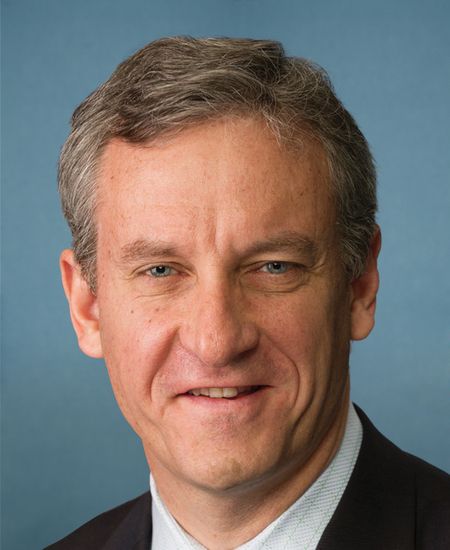
Rep. Matt Cartwright
Sponsored bills
Maddy summaryHCONRES 60 is a symbolic congressional resolution calling for the immediate release of Marc Fogel, a U.S. citizen and former teacher imprisoned in Russia since 2021. It states Fogel was sentenced to 14 years for carrying medical marijuana (prescribed in Pennsylvania for his chronic pain) in his luggage, which the resolution deems an unjust and disproportionate sentence compared to typical Russian penalties for similar offenses. The resolution urges the Russian government to release Fogel, respect his human rights, and allow consular access, while also demanding the release of other detained U.S. citizens like Paul Whelan and Evan Gershkovich. It emphasizes Fogel’s health decline and the U.S. State Department’s failed humanitarian request for his release. As a non-binding resolution, it expresses congressional support but does not alter U.S. policy or law.
Maddy summaryHR 4942 extends and modifies the Conrad State 30 program, which allows states to sponsor foreign medical graduates to work in medically underserved areas in exchange for a commitment to practice for three years. The bill directly affects foreign medical graduates seeking to work in the U.S., states that sponsor them, and health facilities in underserved communities. Key provisions include creating mechanisms for physicians to change employers or states if they face issues with their current employment, adding requirements for employment agreements (including prohibitions on non-compete clauses), and establishing exceptions to the three-year work requirement under certain circumstances. The bill also creates a process for states to recapture waiver slots when physicians leave their employment and requires annual reporting on the program's usage. These changes aim to improve physician retention in underserved areas by providing more flexibility and protections for foreign medical graduates.
Maddy summaryHR 3933, the TAP Promotion Act, requires standardized presentations about Veterans Affairs (VA) benefits during military transition counseling for service members separating from the armed forces. These presentations must be approved by the VA, delivered by authorized veterans service organizations (VSOs), and include information on how VSOs assist with VA claims - without encouraging membership in specific organizations. The bill mandates a one-hour limit per presentation and requires the VA to submit annual reports to Congress detailing which VSOs presented, attendance numbers, and recommendations for improvement. This policy directly affects service members preparing for civilian life and the VSOs providing these transition resources.
Maddy summaryHR 4893, the Scientific Integrity Act, requires federal agencies that fund, conduct, or oversee scientific research to adopt policies preventing political interference in science. The bill mandates these agencies to prohibit suppression or distortion of research findings, establish Scientific Integrity Officers to enforce policies, and implement training and reporting systems. It directly affects scientists and engineers employed by or contracted with covered agencies (like the EPA or NIH), ensuring their work remains free from political pressure. Key mechanisms include annual public reporting on misconduct complaints, whistleblower protections, and requiring scientific conclusions to be based on evidence, not ideology.
Maddy summaryThis bill expands eligibility for business loans at credit unions to include veterans. It amends the Federal Credit Union Act to define "member business loan" as including loans made to veterans, using the standard definition of "veteran" from Title 38 of U.S. Code. Credit unions offering these loans will now be able to serve veteran business owners under the same terms as other qualifying borrowers. The policy change directly affects veterans seeking business financing and credit unions providing such loans.
Maddy summaryHR 4889, the Raise the Wage Act of 2023, would gradually increase the federal minimum wage for most workers to $15.50 per hour by 2027, with specific annual targets: $9.50 starting in 2023, rising to $11.00 after one year, $12.50 after two years, and $15.50 after four years. It would also phase out the separate lower minimum wage for tipped employees (starting at $6.00/hour) by aligning their pay with the regular minimum wage by 2028, while requiring employers to let workers keep all tips. The bill includes similar phased increases for workers under 20 and transitions toward fairer wages for workers with disabilities under special certificates, which would sunset after 2028. Future annual increases after 2028 would tie the minimum wage to the median hourly wage of all workers.
Maddy summaryHR 4157, the "Not Just a Number Act," requires the Department of Veterans Affairs (VA) to produce annual reports on veteran suicide rates and their connection to VA healthcare and benefits. The reports must break down suicide rates by age, gender, and race, and examine how engagement with VA services (like Vet Centers, healthcare enrollment, benefits claims, and housing loans) correlates with suicide trends. The bill also mandates a VA toolkit for state/local coroners to improve veteran suicide death reporting, and a study on creating a dedicated VA suicide prevention office. These measures aim to standardize data collection and identify effective prevention strategies, directly affecting VA operations, congressional oversight, and veteran care systems.
Maddy summaryHR 4769, the PFAS Alternatives Act, funds research and training to develop PFAS-free turnout gear for firefighters. It authorizes $25 million annually (2024-2028) for grants to eligible organizations to research, develop, and test next-generation gear without per- and polyfluoroalkyl substances (PFAS), which are linked to firefighter cancer risks. The bill requires partnerships with firefighting organizations to ensure research translates into practical training and gear care guidance, including decontamination protocols. It also allocates $2 million yearly for training programs on proper gear use and maintenance, aiming to reduce exposure to hazardous chemicals during fire operations.
Maddy summaryHR 4785, the Fracturing Responsibility and Awareness of Chemicals Act of 2023, requires oil and gas companies conducting hydraulic fracturing operations to disclose detailed chemical information to state agencies or the EPA. Specifically, companies must provide a pre-operation list of chemicals (including CAS numbers and volumes) and a post-operation report of chemicals actually used, which states must then make publicly available online. The bill also mandates immediate disclosure of proprietary chemical formulas to medical personnel during emergencies, without requiring prior written consent. It explicitly excludes natural gas storage from the definition of hydraulic fracturing. This bill directly affects oil and gas operators and state environmental agencies managing disclosure requirements.