

Maddy summaryThe PrEP Access and Coverage Act of 2023 requires private health insurance plans, Medicare, Medicaid, and other public health programs to cover pre-exposure prophylaxis (PrEP) for HIV prevention without cost-sharing, including the medication, related lab tests, and follow-up care. The bill also prohibits life, disability, and long-term care insurance companies from denying coverage or charging higher premiums to people taking PrEP. It establishes public education campaigns to increase awareness of PrEP and PEP (post-exposure prophylaxis) and creates funding for state and community programs to expand access to HIV prevention services, particularly for populations disproportionately affected by HIV including Black, Hispanic/Latinx, and transgender individuals. The legislation specifically addresses current disparities in PrEP access, as data shows only 11% of Black/African American and 21% of Hispanic/Latinx individuals eligible for PrEP received prescriptions in 2022 compared to 82% of White individuals. Coverage requirements for most plans will take effect on January 1, 2025.
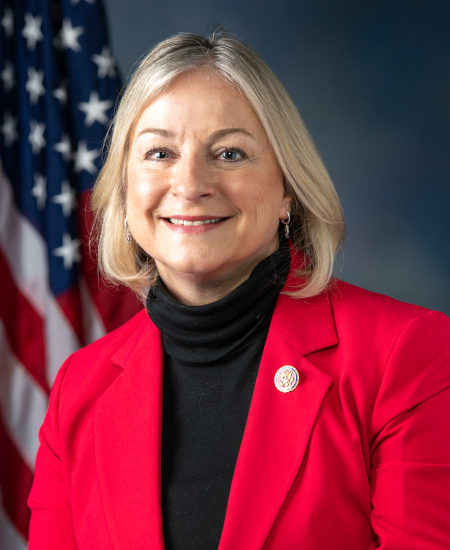
Rep. Susan Wild
Sponsored bills
Maddy summaryHR 3875, the Expanded Telehealth Access Act, expands Medicare coverage for telehealth services by adding new healthcare professionals to the list of providers eligible for payment. It specifically includes licensed audiologists, occupational therapists (and their assistants under supervision), physical therapists (and their assistants under supervision), and speech-language pathologists. The bill ensures these providers are paid the same rate for telehealth services as they would be for in-person care under Medicare. This change directly affects Medicare beneficiaries seeking remote therapy services and the new provider types who can now offer these services via telehealth.
Maddy summaryHR 3851, the Access to Breast Cancer Diagnosis Act of 2023, requires most health insurance plans (including group and individual coverage) to cover diagnostic and supplemental breast exams without any out-of-pocket costs like copays or deductibles. This applies to medically necessary exams used to evaluate abnormalities detected during screening (diagnostic) or to screen high-risk individuals without abnormalities (supplemental), following National Comprehensive Cancer Network guidelines. Plans may still require prior authorization for these exams, and state laws providing stronger protections remain in effect. The law takes effect for plan years beginning January 1, 2024.
Maddy summaryHR 3842, the Expanding Access to Diabetes Self-Management Training Act of 2023, would improve Medicare coverage for diabetes self-management training (DSMT) services for beneficiaries with diabetes. The bill expands provider eligibility to include nonphysician practitioners (like nurse practitioners), increases available training hours (initial 10 hours plus up to 2 hours annually), and requires 100% Medicare coverage with no out-of-pocket costs for beneficiaries. It also mandates a new demonstration project starting in 2025 to test virtual DSMT services, evaluating impacts on health outcomes (like A1c levels), hospitalizations, and program costs. This legislation directly affects Medicare beneficiaries with diabetes and healthcare providers offering DSMT services.
Maddy summaryThis bill requires Medicare to cover genetic counseling services provided by licensed genetic counselors at 85% of the physician payment rate. It defines "genetic counselor" as a state-licensed professional (or meeting federal criteria in non-licensing states) and mandates a new billing modifier for these services starting January 1, 2024. Medicare beneficiaries seeking genetic counseling would gain expanded access to these services under this coverage. The policy change applies to services furnished on or after the effective date, with implementation via interim rule.
Maddy summaryThe Menstrual Equity For All Act of 2023 requires free menstrual products to be available at no cost in public schools, colleges, correctional facilities, and federal buildings. It makes menstrual products covered by Medicaid, prohibits taxes on these products, and provides funding through social services programs to help low-income individuals access menstrual products. The bill directly affects students (K-12 and college), incarcerated people, homeless individuals, employees (in businesses with 100+ workers), Medicaid beneficiaries, and people receiving Temporary Assistance for Needy Families (TANF). Key provisions include amending school funding to require free products, creating college grant programs for menstrual product distribution, and adding menstrual products to Medicaid coverage and social services programs.
Maddy summary# Comprehensive Immigration Reform Bill Summary This document appears to be a draft of a comprehensive immigration reform bill with significant changes to U.S. immigration policy, particularly focusing on employment verification and asylum processing. ## Key Provisions ### Employment Eligibility Verification (E-Verify) System - **Replaces the current E-Verify system** with a new "Employment Eligibility Verification" system under Section 274A - **Phased implementation schedule** for different employer sizes (10,000+ employees, 500-10,000 employees, 20-500 employees, and fewer than 20 employees) - **New penalties** for violations, including: - Civil penalties ranging from $2,500 to $25,000 per violation - Criminal penalties of up to $5,000 per unauthorized alien - **Good faith defense** for employers who comply with verification requirements - **Repeal of Subtitle A of Title IV of the Illegal Immigration Reform and Immigrant Responsibility Act of 1996** ### Asylum Reform - **Establishment of 5 "Humanitarian Campuses"** along the southern border for processing asylum seekers - **Expedited asylum procedures** including: - Mandatory 72-hour rest period after arrival - Initial screening within 15 days - Expedited asylum decisions within 45 days for approved cases - Case management for those referred to immigration judges - **5 Western Hemisphere facilities** for asylum pre-screening and family reunification - **New requirements** for recording credible fear interviews and expedited removal proceedings - **Stricter penalties** for asylum fraud, including permanent ineligibility for asylum benefits ### Additional Provisions - **Criminal background checks** for sponsors of unaccompanied children - **Fraud prevention measures** for Social Security numbers and identity verification - **New verification system** with requirements for biometric checks, medical screenings, and legal orientation - **Provisions for vulnerable populations** including pregnant women, victims of violence, and people with disabilities The bill contains detailed implementation timelines (with many provisions taking effect within 1-5 years), specific numerical requirements for staffing, and extensive procedural requirements for processing immigrants and asylum seekers. This appears to be a comprehensive proposal that would significantly change U.S. immigration enforcement, asylum processing, and employer verification requirements.
Maddy summaryHR 3561, the PATIENT Act of 2023, requires hospitals, health insurance plans, and pharmacy benefit managers to publicly disclose detailed pricing information for healthcare services and drugs. Hospitals must publish standard charges for 300+ shoppable services, including gross charges, payer-specific negotiated rates, and discounted cash prices, with updates required annually. Health plans must provide real-time information on in-network rates, cost sharing, deductibles, and prior authorization requirements for covered services. The bill establishes enforcement mechanisms, including civil monetary penalties for non-compliance, with fines ranging from $300 per day for small hospitals to $5 million for large hospitals that fail to comply with the transparency requirements.
Maddy summaryThe FAMILY Act (HR 3481) would establish a national paid family and medical leave insurance program administered by the Social Security Administration. Eligible workers would receive wage replacement benefits (up to 85% of average earnings, with a maximum of $4,000 monthly) for up to 60 caregiving days per 12-month benefit period for qualifying reasons like caring for a sick family member, personal serious health conditions, or responding to domestic violence. The program would be funded through 0.2% payroll taxes from employees and employers (with self-employed individuals paying 0.4%), with benefits coordinated with existing state programs. The law includes protections against employer retaliation for taking leave and requires employers to maintain health coverage during leave periods.
Maddy summaryHR 3432, the Telemental Health Care Access Act of 2023, expands Medicare coverage for mental and behavioral health services delivered via telehealth. It removes geographic restrictions that previously limited telehealth coverage to rural areas and explicitly adds "behavioral health services" to the list of covered telehealth services under Medicare Part B. The bill requires the Secretary of Health and Human Services to submit a report within one year on utilization of these services, including recommendations on fraud prevention and funding needs for oversight. This change directly affects Medicare beneficiaries seeking remote mental/behavioral health care and the providers who deliver it.