

Maddy summaryThis bill reauthorizes the National Alzheimer's Project Act through 2035 (extending the previous deadline of 2025) and adds new requirements to promote healthy aging and reduce Alzheimer’s risk factors. It mandates the program to provide information on healthy behaviors that may lower cognitive decline risk and expands the advisory group to include representatives from agencies like the Department of Justice, FEMA, and Social Security Administration, plus experts with diverse clinical trial experience. The bill directly affects Alzheimer’s research, care programs, and the federal advisory group overseeing national efforts. Key changes include requiring annual evaluations instead of initial ones and adding a focus on reducing health disparities in Alzheimer’s initiatives.
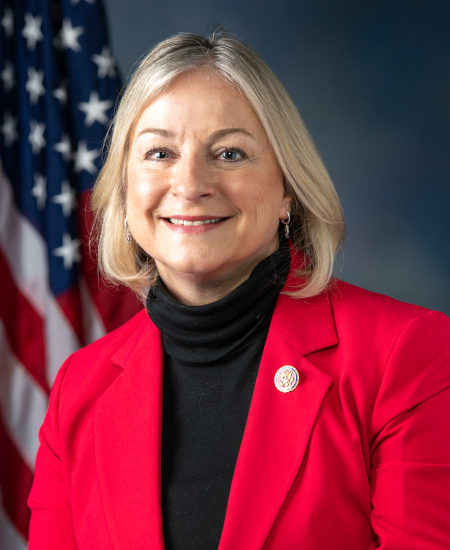
Rep. Susan Wild
Sponsored bills
Maddy summaryThis bill amends the 2022 Camp Lejeune Justice Act to clarify and correct technical details. It updates eligibility requirements for claimants (requiring 30 days at Camp Lejeune and defining "latent harm" instead of "latent disease"), clarifies court jurisdiction for cases, and specifies attorney fee structures (20% pre-litigation, 25% post-litigation). The changes directly affect individuals who developed health issues due to contaminated water at Camp Lejeune, streamlining their legal process under the existing 2022 law.
Maddy summaryThe HELP Act of 2023 provides $550 million annually for 2024-2025 and $450 million for 2026-2030 to strengthen 211 (human services information and referral) and 988 (mental health crisis) services nationwide. It requires states to develop coordinated systems that ensure 24/7 accessibility, reduce non-emergency 911 calls, and connect individuals to appropriate human services and mental health resources. The bill mandates states to create comprehensive service databases, ensure accessibility for people with disabilities, and establish oversight councils with diverse representation to monitor racial equity and service effectiveness. States must also implement diversion programs to connect individuals with mental health responders instead of law enforcement for non-emergency situations. The legislation includes regular reporting requirements and biennial evaluations to measure how effectively the program connects people to needed services and reduces unnecessary law enforcement interactions.
Maddy summaryThis resolution (HRES 616) condemns the Taliban's ongoing human rights abuses in Afghanistan, specifically targeting women, girls, religious minorities (including Hazaras and Sikhs), and ethnic groups. It expresses support for Afghans who assisted U.S. missions and calls for the U.S. government to halt Taliban violence and address systemic repression. Key mechanisms include urging the State Department to assess potential crimes against humanity, developing strategies to support human rights defenders, and expediting refugee processing for Afghans with Special Immigrant Visas. The resolution does not impose new legal requirements but formalizes congressional stance and policy guidance. It directly affects U.S. foreign policy implementation toward Afghanistan.
Maddy summaryThe ENFORCE Act establishes a new framework to control the export and transfer of specific artificial intelligence systems deemed critical to U.S. national security. It defines "covered artificial intelligence systems" as those with capabilities that could enable weapons of mass destruction, cyber attacks, or evasion of human oversight - using an interim definition until the Secretary of Commerce issues final regulations within 365 days. The bill requires U.S. companies and individuals, anywhere in the world, to obtain a Department of Commerce license before exporting, transferring, or supporting the development of these systems or related emerging technologies. This directly affects U.S. entities involved in high-risk AI development and trade, imposing new licensing obligations for activities involving systems posing national security threats.
Maddy summaryThis bill reauthorizes existing mental health support programs for healthcare professionals under the Dr. Lorna Breen Act. It extends funding and reporting periods for two key initiatives: (1) an education campaign encouraging healthcare workers to access mental health services, and (2) programs promoting mental wellness within healthcare workplaces. The bill updates the timeline from 2022-2024 to 2025-2029 for both programs and requires grantees to focus on reducing administrative burdens for healthcare workers. It directly affects healthcare professionals by maintaining access to mental health resources and supports eligible entities like hospitals and health systems administering these programs.
Maddy summaryThis bill directs the U.S. Department of Health and Human Services to issue guidance to states within one year on using Medicaid and CHIP programs to boost the pediatric mental health workforce. It requires states to implement strategies focused on recruiting and retaining pediatric mental health providers (including in rural/underserved areas and for racial/ethnic minorities), improving care for limited English proficiency patients, expanding telehealth services, and offering incentives like better reimbursement or student loan repayment. The guidance must cover specific approaches such as integrated care models and training for providers. States must report on implementing these strategies to Congress within two years. The bill directly affects states administering Medicaid/CHIP and pediatric mental health providers serving children.
Maddy summaryThis bill requires call center employers (with 50+ full-time staff) to notify the Labor Secretary 120 days before moving operations overseas or contracting such work, adding them to a public list for 5 years. Employers on this list become ineligible for federal grants or loans during that period, and federal contracts must prioritize companies not relocating work overseas. It also mandates that all businesses handling customer service communications disclose agent locations at call start (with limited exceptions), allow transfers to U.S.-based agents upon request, and annually certify compliance to the FTC. These provisions directly affect large call center employers and all businesses providing customer service via phone, email, or chat in the U.S.
Maddy summaryHRES 1230 is a non-binding House resolution recognizing the 15th anniversary of the end of Sri Lanka's civil war (May 18, 2009), which the resolution states resulted in "hundreds of thousands of lives lost." It urges the U.S. to support Eelam Tamil communities' right to self-determination and an independence referendum as a peaceful resolution, while stating the resolution "recognizes the genocide against the Eelam Tamil people." The resolution calls for U.S. diplomatic engagement with Tamil groups and international advocacy for political solutions, but does not create new laws or alter policy. As a symbolic measure, it has no legal effect on U.S. or Sri Lankan government actions.
Maddy summaryHRES 1063 is a non-binding resolution passed by the U.S. House of Representatives to reaffirm America's commitment to NATO ahead of its 75th anniversary. It formally recognizes NATO's role in collective security, emphasizes Article 5's importance for mutual defense, and supports Finland and Sweden's membership. The resolution also calls on NATO allies to meet the 2% defense spending target, but does not create new laws or affect specific individuals or groups.