Effective Drug Control Strategy Act of 2021 This bill requires the Office of National Drug Control Policy to (1) evaluate the effectiveness of all federally funded activities aimed at reducing the demand for illegal drugs, and (2) publish annually a complete list of all drug control grant programs.
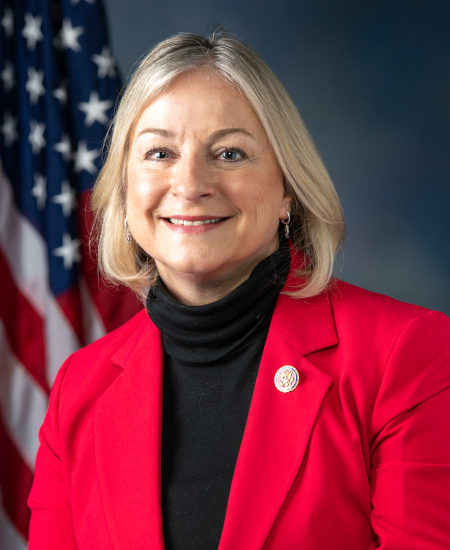
Rep. Susan Wild
Sponsored bills
Ensuring Coverage in Public Health Emergencies Act of 2021 This bill requires private health insurance plans to provide a 30-day special enrollment period for eligible individuals after a public health emergency is declared. An employee who is eligible but not enrolled may enroll in an employer-provided group health plan during the special enrollment period.
Mental Health Access Improvement Act of 2021 This bill provides for coverage of marriage and family therapist services and mental health counselor services under Medicare. It also excludes such services from the skilled nursing facility prospective payment system, and authorizes marriage and family therapists and mental health counselors to develop discharge plans for post-hospital services.
Improving Social Determinants of Health Act of 2021 This bill requires the Centers for Disease Control and Prevention (CDC) to establish a program to improve health outcomes and reduce health inequities by, for example, coordinating activities across the CDC. As part of the program, the CDC must award grants to eligible organizations to build capacity to address social determinants of health. The CDC shall provide for an independent evaluation of certain grants and report findings to Congress.
Preventing Mental Health and Substance Use Crises During Emergencies Act This bill establishes a task force and requires a strategy to address mental health and substance use issues during public health emergencies. The Department of Health and Human Services must convene the task force to assess the federal response to such issues during and after the COVID-19 (i.e., coronavirus disease 2019) emergency. In addition, the Substance Abuse and Mental Health Services Administration must develop and annually update the strategy. The task force's work must inform the strategy.
Protecting Access to Post-COVID-19 Telehealth Act of 2021 This bill makes permanent several telehealth flexibilities that were initially authorized during the public health emergency relating to COVID-19 (i.e., coronavirus disease 2019), particularly with respect to Medicare coverage of telehealth services. For example, the bill permanently allows federally qualified health centers and rural health clinics to serve as the distant site (i.e., the location of the health care practitioner) for telehealth services under Medicare. Payment must be made in the same manner as for non-telehealth services, rather than in accordance with a separate methodology determined by the Centers for Medicare & Medicaid Services (CMS). The bill also permanently allows beneficiaries to receive Medicare telehealth services at any site, regardless of type or location, and grants the CMS general authority to waive any other requirements during any emergency period.
Women and Climate Change Act of 2021 This bill addresses climate change and its effects on women and girls. Specifically, the bill establishes the Federal Interagency Working Group on Women and Climate Change within the Department of State. The bill outlines the functions of the working group, including the coordination of agencies' policies and activities relating to combating the effects of climate change on women and improving the government's response to and strategy for climate change. In addition, the Office of Global Women's Issues of the State Department must submit a strategy to prevent and respond to the effects of climate change on women.
Learning Recovery Act of 2021 This bill establishes a program through which the Department of Education must award grants to state educational agencies and, through them, allocations to local educational agencies (LEAs) to provide students with additional learning time and related services. It also directs the Institute of Education Sciences (IES) to study and report on learning recovery. Specifically, LEAs must use funds to implement attendance-intervention strategies that reengage students and their families, support salaries and benefits for teachers and staff, and carry out school extension programs. School extension program refers to an evidence-based program (e.g., summer-school, extended-day, or extended-school-year program) at an elementary or secondary school that provides students with additional learning time. Further, LEAs may use funds for certain activities such as providing students with mental health services, reestablishing after-school programs, and supporting existing activities to combat learning loss due to the COVID-19 (i.e., coronavirus disease 2019) pandemic. The IES must, within 30 days, begin to study interventions and strategies to address learning recovery for all students, including students with disabilities, minority children, English learners, and low-income students. Further, the IES must disseminate findings to educational agencies.

COVID-19 Mine Worker Protection Act This bill requires the Department of Labor to issue health and safety standards to protect coal miners from occupational exposure to COVID-19 (i.e., coronavirus disease 2019). Labor shall provide for emergency standards within seven days of this bill's enactment, and such emergency standards shall be in force until permanent standards are promulgated. Labor shall also collect data to track and investigate cases of exposure to COVID-19 among coal miners.
This resolution calls for the federal government to establish a national biodiversity strategy, which must include a goal of conserving at least 30% of U.S. lands and waters to protect biodiversity and address climate change by 2030 and other goals necessary to reduce the threats to biodiversity.