

Maddy summaryThis bill establishes a 17-member Commission on Presidential Capacity to Discharge the Powers and Duties of the Office. This commission, composed primarily of medical professionals and former high-ranking executive officials, would be activated by a concurrent resolution of Congress. Its duty would be to conduct a medical examination of the President to determine if they are mentally or physically unable to discharge the powers and duties of the office due to conditions such as illness, disability, or substance use. Following the examination, the commission would report its findings and a declaration on the President's capacity to Congress and the Vice President, with any refusal by the President to undergo examination taken into consideration.
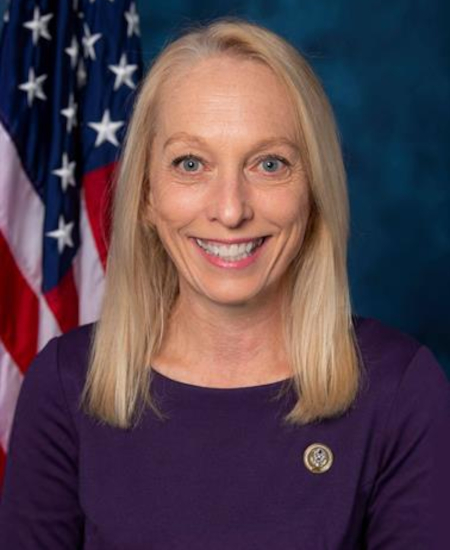
Rep. Mary Gay Scanlon
Sponsored bills
Maddy summaryThe Senior Hunger Prevention Act of 2026 aims to reduce food insecurity among older adults and people with disabilities by modifying and expanding federal nutrition assistance programs. It streamlines the Supplemental Nutrition Assistance Program (SNAP) by extending certification periods to 36 months for these groups, creating simplified application processes, and establishing a standard medical expense deduction. The bill also expands eligibility for the Commodity Supplemental Food Program and the Seniors Farmers' Market Nutrition Program to include adults with disabilities, while increasing funding and benefits for these programs. Additionally, it establishes a pilot program for SNAP enrollment outreach, creates a new program to reimburse retail food stores for grocery delivery to eligible participants, and provides funding for farmers' market infrastructure and local produce procurement.
Maddy summaryThis concurrent resolution expresses support for International Transgender Day of Visibility, a day established in 2009 to honor the transgender community and raise awareness of the discrimination and violence they face. The bill encourages the House of Representatives and the American public to observe this day with ceremonies and activities while recognizing the accomplishments and leadership of transgender individuals. It acknowledges ongoing challenges such as employment discrimination, healthcare restrictions, and anti-transgender legislation, while also highlighting the community's contributions to politics, culture, and civil rights. As a concurrent resolution, it does not create new laws or regulations but serves as an official statement of congressional support for the day's goals and ideals.
Maddy summaryThis concurrent resolution formally recognizes the ongoing disparity between wages paid to men and women in the United States and reaffirms Congress's commitment to supporting equal pay. It highlights statistical data showing that women earn approximately 81 cents for every dollar earned by men, with significant variations across racial and ethnic groups, and notes that the gender wage gap has widened over the past two years. The document also identifies contributing factors such as occupational segregation, lack of family-friendly workplace policies, and workplace harassment, while emphasizing the economic impact on women's retirement security and family incomes.
Maddy summaryThis bill amends the Congressional Accountability Act to require Members of Congress and other employing offices to reimburse the Treasury for settlement amounts and awards paid in employment discrimination cases, including retaliation claims. It also allows individuals whose claims are initially dismissed to file amended versions within 10 days, giving them another chance to pursue their case before being barred from a formal hearing. Additionally, the Office of Employee Advocacy may provide assistance to covered employees filing civil actions related to employment violations, even after the lawsuit has been filed. These changes apply to claims made on or after the bill's enactment date.
Maddy summaryThis bill authorizes federal grants to establish a national education protection and advocacy program that supports organizations enforcing the rights of students with disabilities under key federal laws. The program would provide funding to existing protection and advocacy systems to monitor educational settings, advocate for safe conditions, and pursue legal remedies for violations of student rights. Grants would be distributed based on state populations with minimum amounts guaranteed for each state and territory, and recipients would not be required to provide matching funds. The legislation requires systems receiving funds to submit annual reports and use the grants to supplement rather than replace existing services.
Maddy summaryThe Kira Johnson Act establishes a federal grant program to support community-based organizations in improving maternal health outcomes for populations facing higher rates of maternal mortality and health disparities. It allocates $100 million annually from 2027 to 2031 for grants that fund programs addressing social determinants of health, culturally congruent care, and support for midwifery practices. The bill also creates a separate $5 million annual funding stream for training all maternity care employees on bias reduction, trauma-informed care, and respectful service delivery. Additionally, the legislation requires hospitals and health systems to establish compliance programs that allow patients to report bias and mandates regular public reporting on these efforts. A study by the National Academies and ongoing evaluation by the GAO will assess the effectiveness of these initiatives in improving patient experiences and health outcomes for pregnant and postpartum individuals from racial and ethnic minority groups.
Maddy summaryThis bill requires owners and operators of gas distribution pipelines to evaluate their systems for the presence of Aldyl-A polyethylene plastic within three years of enactment. The law mandates that pipeline companies report the total mileage of any identified Aldyl-A piping to the Secretary but does not require digging or excavation to find it. Additionally, the bill updates federal safety regulations to include historic plastics with known safety issues alongside cast iron and bare steel pipelines in risk assessment and integrity management programs. The legislation applies to all gas distribution pipeline facilities in the United States and aims to improve safety oversight without mandating immediate physical inspection or replacement.
Extending WIC for New Moms Act This bill amends the Special Supplemental Nutrition Program for Women, Infants, and Children (WIC) to extend the eligibility periods for breastfeeding and postpartum women. Specifically, a state program may elect to certify a breastfeeding woman for up to 24 months (currently 1 year) postpartum. The bill also expands the eligibility period for postpartum women to up to 24 months after termination of pregnancy (currently 6 months). The Department of Agriculture must submit a report to Congress evaluating the effect of these changes to the program on (1) maternal and infant health outcomes, (2) breastfeeding rates, and (3) qualitative evaluations of family experiences under WIC.
Maddy summaryThe Energy Bills Relief Act aims to lower household energy costs and accelerate the development of low-cost, clean energy by modifying federal tax credits, expanding weatherization programs, and streamlining permitting processes. Key provisions include restoring tax incentives for renewable energy projects, increasing funding for low-income heating assistance, and requiring federal agencies to treat wind, solar, and storage projects with the same procedural fairness as oil and gas projects. The bill also establishes new incentives for upgrading the electricity grid, such as tax credits for transmission lines and grants for wildfire prevention measures, while creating mechanisms to ensure utilities serve public interests and protect consumers from price volatility.