

Maddy summaryHR 4426 extends the Radiation Exposure Compensation Act (RECA) fund for 19 years (up from 2 years) and expands eligibility for compensation to individuals exposed to radiation from nuclear testing and uranium mining. The bill updates eligibility criteria for claims related to leukemia and other specified diseases, including adding chronic lymphocytic leukemia to the list of covered conditions. It creates new provisions for uranium mining workers, including combined work histories and allows the use of affidavits to substantiate claims. The bill also expands medical benefits eligibility and establishes a $3 million annual grant program to study the epidemiological impacts of uranium mining on non-occupationally exposed individuals, including family members of miners.
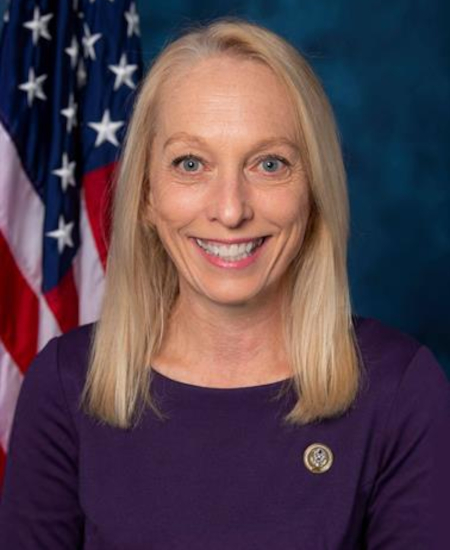
Rep. Mary Gay Scanlon
Sponsored bills
Maddy summaryHR 4481, the Protection and Advocacy for Student Success Act, provides federal grants to existing advocacy groups that protect students' rights under disability laws. It funds these groups to monitor schools for violations of the Individuals with Disabilities Education Act (IDEA), Section 504 of the Rehabilitation Act, and the Americans with Disabilities Act (ADA). Key provisions require grantees to advocate against harmful practices like seclusion and restraint, assist families through dispute resolution, and pursue systemic changes in schools. The program specifically supports children, youth, and adults with disabilities in educational settings, with funds required to supplement - never replace - existing state resources.
This resolution expresses the sense of the House of Representatives that (1) lesbian, gay, bisexual, transgender, queer, intersex, and asexual (LGBTQIA+) rights are human rights and protected by the U.S. Constitution; (2) LGBTQIA+ Pride Month should be celebrated; and (3) all Americans should be treated equally regardless of sexual orientation, sex characteristics, or gender identity.
Maddy summaryHRES 561 is a non-binding House resolution opposing state laws that criminalize access to essential health care. It specifically condemns using criminal penalties against people for pregnancy outcomes (such as miscarriages), seeking abortion or contraception, or receiving gender-affirming care, and disapproves of punishing health care providers or supporters for facilitating such care. The resolution affirms that patients deserve access to reproductive and gender-affirming health services without fear of prosecution or discrimination. It emphasizes that criminalizing these health care decisions violates patient rights and ethical provider obligations, without creating new legal requirements.
Maddy summaryHR 4422 (Global Respect Act) requires the President to publicly identify foreign officials responsible for violence, torture, or arbitrary detention against LGBTQI individuals and block their entry to the U.S., including revoking visas for them and their immediate families. It mandates annual reporting to Congress on the list of sanctioned individuals, the reasons for additions/removals, and efforts to coordinate with other countries on similar sanctions. The bill also updates U.S. human rights reporting requirements to explicitly include data on violence and discrimination against LGBTQI people worldwide. These measures aim to increase accountability for human rights violations against LGBTQI individuals without advocating for specific policy outcomes.
Fair and Equal Housing Act of 2023 This bill prohibits discrimination, in the context of various housing practices, against individuals based on their sexual orientation or gender identity.
Maddy summaryHR 4340, the Therapeutic Fraud Prevention Act of 2023, prohibits paid providers from offering conversion therapy - defined as any commercial service attempting to change a person's sexual orientation or gender identity - and bans advertising that claims such therapy is effective or harmless. It directly affects therapists, counselors, or organizations offering paid conversion therapy services, including those advertising such services. Key provisions make it unlawful to provide, advertise, or facilitate paid conversion therapy, with enforcement led by the Federal Trade Commission (FTC) under consumer protection laws and allowing states to pursue civil actions. The bill explicitly excludes supportive care for gender transition or identity exploration from its definition of prohibited therapy.
This resolution expresses support for (1) equal rights and protections for all people, regardless of actual or perceived sexual orientation, gender identity, or sex characteristics; and (2) the designation of LGBTQI+ Equality Day to commemorate Supreme Court decisions handed down on June 26 in 2003, 2013, and 2015. The resolution also acknowledges the need for further legislation to ensure that people in the United States are free from all forms of discrimination on the basis of actual or perceived sexual orientation, gender identity, or sex characteristics.
Maddy summaryThis bill expands the Summer Electronic Benefits Transfer (EBT) program to provide food benefits during school closures (remote, hybrid, or closed for 5+ consecutive weekdays), not just summer months. It directly affects children in schools that close for extended periods, ensuring they receive meal support during these disruptions. Key provisions include increasing implementation grant funding to $50 million for state data systems and adding specific definitions for "school closure period" and "free rate" to clarify eligibility. The changes apply to calendar years 2024 and beyond, extending coverage beyond traditional summer breaks.
Maddy summaryHRES 551 is a non-binding House resolution (not a bill) introduced in June 2023 that calls for action to address U.S. child poverty. It recommends making permanent the expanded Child Tax Credit (which lifted nearly 3 million children out of poverty in 2021), establishing a federal council to coordinate child-focused policies, and increasing federal investment in children’s programs like early education and nutrition assistance. The resolution highlights that child poverty rebounded sharply after the 2021 tax credit expansion expired, affecting over 4 million children, and emphasizes the need for equitable access to benefits for immigrant families, children in Puerto Rico, and children with disabilities. It does not create new laws but urges Congress and federal agencies to prioritize these policy changes.