

Maddy summaryHR 5983, the Clean Water Act of 2023, redefines "protected water resources" under federal law to explicitly include all interstate and intrastate waters (such as intermittent and ephemeral streams), wetlands, and their tributaries. This directly affects federal agencies like the EPA, states managing water quality, and developers or landowners needing permits for activities near these waters. The bill eliminates the Supreme Court’s narrow "navigable waters" definition from Sackett v. EPA (2023), restoring protections for tens of millions of acres of wetlands and millions of miles of small streams. Key mechanisms require the EPA to annually review and adjust exclusions from protections based on scientific evidence, ensuring water bodies critical to drinking water, flood control, and ecosystems remain safeguarded.
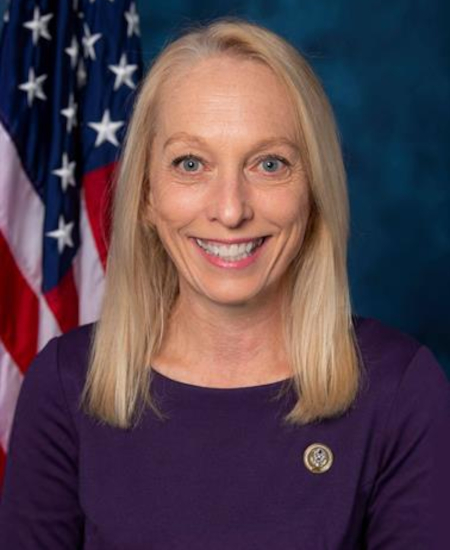
Rep. Mary Gay Scanlon
Sponsored bills
Maddy summaryHRES 819 is a symbolic resolution recognizing the 5-year anniversary of the October 27, 2018, antisemitic attack at Pittsburgh’s Tree of Life Synagogue, which killed 11 people. It condemns antisemitism and references rising hate incidents, including the Anti-Defamation League’s 2022 report of record antisemitic activity (3,697 incidents). The resolution honors the victims, expresses solidarity with affected Jewish communities, and reaffirms the U.S. commitment to combatting hate and protecting religious freedom. As a procedural resolution (not a law), it has no binding effect but serves as a formal statement of congressional stance.
Maddy summaryThe Rape Kit Backlog Progress Act of 2023 requires states and local governments receiving federal crime-fighting grants to conduct comprehensive inventories of all sexual assault kits (both tested and untested) and report key details to the Attorney General. It mandates that jurisdictions document victim consent for testing, upload DNA results to the national CODIS database, establish electronic tracking systems for victims, and implement victim notification protocols. States must submit these reports annually to maintain eligibility for federal grants, with the Attorney General publishing a public annual report on backlog status and compliance. This law directly affects state/local law enforcement agencies and prosecutors handling sexual assault cases, aiming to improve transparency and accountability in processing evidence.
Maddy summaryHRES 771 is a non-binding resolution expressing the U.S. House of Representatives' support for Israel following Hamas' October 7, 2023, attack. It condemns Hamas' actions, affirms Israel's right to self-defense, and calls for the immediate release of hostages. The resolution also urges enforcement of existing laws restricting aid to terrorists and sanctions against Iran for supporting Hamas. It does not create new policies or allocate funds, as it is a symbolic statement of congressional support.
Maddy summaryThe Safe Schools Improvement Act (HR 6031) requires public elementary and secondary schools to implement comprehensive anti-bullying policies that specifically prohibit harassment based on protected characteristics like race, gender identity, disability, religion, and sexual orientation. It mandates schools to collect and publicly report annual data on bullying incidents while establishing clear grievance procedures for students and parents. The bill also requires states to submit biennial reports on school compliance and supports evidence-based interventions, such as restorative practices, to reduce exclusionary discipline. This legislation directly affects all public K-12 schools and students in the U.S., aiming to create safer learning environments through standardized policy requirements and data transparency.
Maddy summaryHR 6014, the Fire Sale Loophole Closing Act, restricts how Federal firearms licensees (FFLs) can handle business firearms when they lose their license. It makes it illegal to transfer business firearms (those recorded in business logs) to personal collections or employees after receiving license revocation notice, and prohibits selling such firearms to unlicensed people after license termination. The bill also bans transferring firearms moved to personal collections within one year and requires license revocation notices to include specific transfer restrictions. These changes target the "fire sale loophole" where dealers might quickly sell firearms before license loss, directly affecting FFLs whose licenses are revoked or not renewed. Violations carry fines or up to 5 years in prison for willful offenses.
Maddy summaryThe Medical Debt Relief Act of 2023 would prevent credit bureaus from reporting medical debt on credit reports and stop creditors from using medical debt information when making credit decisions. It defines medical debt as any debt related to medical services, products, or devices, and requires the removal of existing medical debt entries from credit reports. Within one year of enactment, the Consumer Financial Protection Bureau must update regulations to prohibit creditors from considering medical debt in loan or credit applications. This directly affects consumers with medical debt (who may see improved credit scores) and creditors (who must adjust their credit evaluation practices).
Maddy summaryThis bill requires Medicaid to cover non-invasive prenatal genetic screening for all pregnant women, regardless of age, expanding current coverage. It mandates that providers give specific, detailed informed consent before offering the screening, including disclosure of test limitations, potential interferences, predictive values based on individual risk factors, and the need for follow-up diagnostic testing. Medicaid payments will not be made for screenings conducted without this required consent. The law directly affects pregnant Medicaid beneficiaries and healthcare providers offering prenatal genetic screening services.
Maddy summaryThe Rail Worker and Community Safety Act establishes a minimum 2-person crew requirement for most freight trains (with exceptions for smaller carriers or specific low-risk operations), mandates new safety regulations for hazardous materials transportation including advance notification to emergency response agencies, and requires rail carriers to provide employees with earned paid sick time (1 hour for every 30 hours worked). The bill also sets a minimum requirement of 425 federal rail safety inspectors with specialized expertise across various safety domains, along with additional funding for hiring and compensation. These provisions directly affect rail carriers, rail workers, and communities near rail operations, aiming to enhance rail safety and worker protections through concrete policy changes.
Maddy summaryHR 2577 establishes the DHS Suicide Prevention and Resiliency for Law Enforcement Act, requiring all Department of Homeland Security (DHS) law enforcement components - including U.S. Customs and Border Protection, Immigration and Customs Enforcement, the Secret Service, TSA, and others - to implement new mental health programs. The law creates a central "Law Enforcement Mental Health and Wellness Program" under the Chief Medical Officer to coordinate suicide prevention, reduce stigma, and provide confidential support, including peer-to-peer networks, annual training for officers, and resources for families. Key mechanisms include mandatory annual confidential surveys of personnel, data collection on suicides (while protecting privacy), and requiring DHS components to improve mental health programs by removing barriers to seeking help and ensuring no adverse actions for officers who access counseling. The bill mandates annual congressional briefings on implementation through 2027.