

Maddy summaryThe PROKID Act establishes an independent Office of the Ombudsperson within the Department of Health and Human Services to monitor facilities where immigrant children are detained. The Ombudsperson will conduct regular site visits, investigate complaints about conditions, and ensure compliance with laws including the Flores settlement agreement. The bill requires detailed data collection on immigrant children in custody, including location, length of stay, and placement details, which must be published monthly on the Office of Refugee Resettlement website. It also creates an expert advisory committee to review facility compliance and make recommendations for improving conditions for immigrant children in government custody.
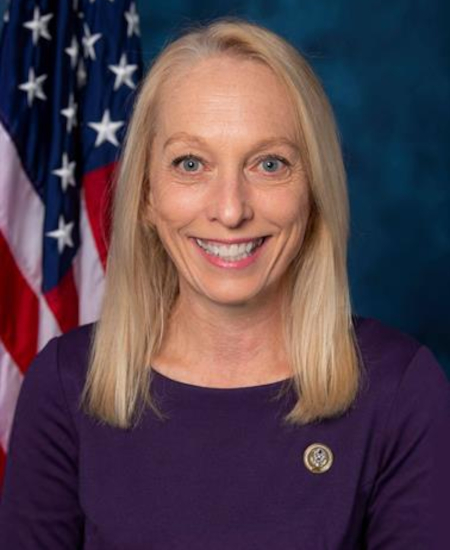
Rep. Mary Gay Scanlon
Sponsored bills
Maddy summaryHR 8526, the Trauma-Informed Schools Act of 2024, amends the Elementary and Secondary Education Act to require public schools receiving federal funding to adopt trauma-informed practices. It defines these practices as evidence-based staff training, trauma-sensitive disciplinary approaches (avoiding punishment and bias), and school-wide planning involving families to support student safety and emotional well-being. The bill mandates that schools provide training for all teachers and staff, integrate social-emotional learning into academics, and update discipline policies to align with trauma-informed principles. These changes directly affect K-12 schools, educators, and students by shifting school culture toward prevention and support rather than exclusionary discipline. The law directs existing federal education funds toward implementing these practices without creating new funding streams.
Maddy summary# Summary of Legislative Text This is a comprehensive legislative proposal focused on addressing substance use disorder through public health approaches, with significant funding and program requirements. Key elements include: 1. **Major Funding Programs:** - **Subtitle A (Local Grants):** $3.0 billion annually (2024-2033) for local entities to provide prevention, treatment, and recovery services - **Subtitle B (State/Regional Grants):** $4.6 billion annually (2024-2033) for state-level programs - **Subtitle C (Other Grants):** $1.0 billion annually (2024-2033) for specific entities and underserved populations - **Subtitle D (Innovation/Training):** $1.5 billion annually (2024-2033) for training, research, and capacity building 2. **Key Program Requirements:** - Mandates for evidence-based treatment services across multiple levels of care - Requirements for cultural competency, particularly for Native American communities - Specific focus on harm reduction, prevention, and recovery support - Provisions for naloxone distribution and overdose reversal programs 3. **Regulatory Changes:** - New certification requirements for covered manufacturers, distributors, and dispensers of Schedule II controlled substances - Penalties for failure to submit certifications or submitting false certifications - Creation of a "Comprehensive Addiction Resources Fund" for penalty revenues 4. **Focus Areas:** - Prevention services (including trauma-informed approaches) - Early intervention services - Recovery support services - Harm reduction programs - Workforce development for treatment providers - Special attention to underserved populations (rural communities, racial minorities, formerly incarcerated individuals) 5. **Funding Priorities:** - 10% of funds for Native American communities - Specific requirements for cultural competency and language access - Mandated data collection and reporting systems This legislation represents a significant shift toward public health approaches to substance use disorder, emphasizing prevention, treatment, and recovery support rather than punitive measures, with substantial funding commitments over a decade.
Maddy summaryThe Public Service Freedom to Negotiate Act of 2024 establishes federal minimum standards for collective bargaining rights for public employees and supervisory employees. The Federal Labor Relations Authority will determine if each state's laws "substantially provide" for these rights, and if not, federal standards will apply to that state. These standards include the right to self-organization, collective bargaining, recognition of labor organizations, and procedures for resolving disputes. The bill preserves existing collective bargaining agreements and excludes certain employee categories like emergency services workers from some provisions.
Maddy summaryHR 8427, the Stop Arming Cartels Act of 2024, bans the civilian possession, sale, or transfer of rifles capable of firing .50 caliber ammunition, with exceptions for government use and rifles already owned before the law's enactment. It requires owners of such rifles to register them with the federal government within 12 months (without fees) and adds a new provision allowing lawsuits against sellers who knowingly supply these rifles to foreign drug traffickers. The bill also expands federal firearm prohibitions to bar individuals designated as significant foreign narcotics traffickers under existing law from purchasing or possessing firearms. These changes directly affect civilian rifle owners, gun sellers, and foreign drug traffickers targeted by U.S. sanctions.
Maddy summaryThe Rights for the TSA Workforce Act of 2024 would transition Transportation Security Administration (TSA) employees, particularly screening agents, from TSA-specific personnel rules to the standard federal government personnel system under Title 5 of the U.S. Code by December 31, 2024. The bill prohibits changes to current personnel policies for covered employees until the transition date and ensures no reduction in pay or benefits during the conversion process. It preserves certain benefits like law enforcement availability pay for Federal air marshals and maintains collective bargaining rights for screening agents. The bill also requires various reports to Congress on recruitment, implementation, diversity, and workplace safety to be submitted within specified timeframes.
Maddy summaryHR 8328, the Alternatives to Guardianship Education Act, creates a federal grant program to fund education about less restrictive options to guardianship for four key groups: health care workers, educators, family members of older adults or people with disabilities, and court workers. The bill requires grant recipients to develop and implement education programs that cover the background of guardianship, the consequences of unnecessary guardianship, and available alternatives like supported decision-making. It mandates that these programs be accessible, inclusive of diverse populations, and evaluated for effectiveness in changing awareness and potentially reducing unnecessary guardianship arrangements. The bill also requires states to collect and report data on guardianship arrangements and establishes an advisory council to oversee the program's implementation.
Maddy summaryThis bill designates the U.S. Postal Service facility at 101 South 8th Street in Lebanon, Pennsylvania, as the "Lieutenant William D. Lebo Post Office Building." It requires all federal references - including laws, maps, and documents - to use this new name for the location. The bill has no policy provisions or financial impact; it solely changes the facility's official name. It was passed by Congress and signed into law on May 7, 2024.
Maddy summaryHRES 1166 is a symbolic resolution expressing congressional support for Earth Day. It urges the President to issue an Earth Day proclamation, encourages Americans to take specific environmental actions (like addressing pollution and supporting indigenous stewardship), and calls for global efforts to advance climate goals. The resolution does not create new laws or directly affect any groups - it serves as a non-binding statement of support for environmental action. It references historical environmental milestones but focuses on reaffirming the need for year-round climate and environmental protection efforts.
Maddy summaryThis resolution symbolically recognizes April 11-17, 2024, as the seventh annual "Black Maternal Health Week." It highlights the disproportionately high maternal mortality and morbidity rates faced by Black women in the U.S., citing data showing Black women are 2-3 times more likely to die from pregnancy-related causes than White women. The resolution emphasizes systemic racism, healthcare inequities, and barriers like limited access to care as key factors contributing to these disparities. It calls for policy action - including support for the Black Maternal Health Momnibus Act - but does not create new laws or allocate funding.