

Maddy summaryThis bill changes tax rules to treat direct primary care (DPC) membership fees as deductible medical expenses. It defines DPC as a fixed monthly fee (capped at $150 per person, $300 for families) for primary care services only, excluding procedures requiring anesthesia, prescription drugs (except vaccines), or lab tests. The law ensures these fees can be claimed on tax returns like other medical costs, while clarifying DPC arrangements aren’t considered health insurance plans. It applies to fees paid for DPC services provided through employment or directly to patients, effective for 2024 tax years.
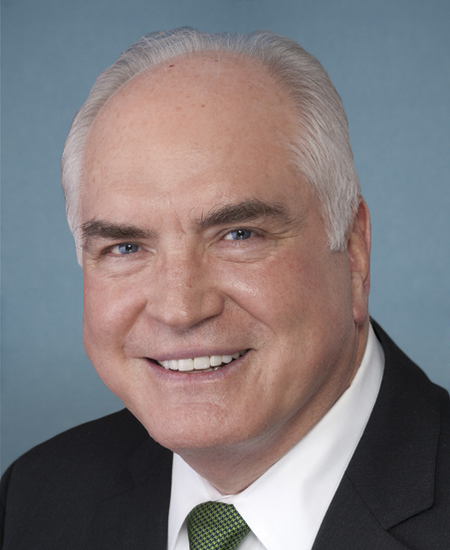
Rep. Mike Kelly
Sponsored bills
Maddy summaryThe PASTEUR Act establishes a new subscription payment model to incentivize development of new antimicrobial drugs for resistant infections. It creates a Committee on Critical Need Antimicrobials and a Subscription Contract Office to manage payments based on specific drug characteristics like treating multi-drug resistant infections, novel mechanisms of action, and oral administration. Under this model, the government would pay drug developers up to $3 billion over 10 years for qualifying drugs, with payments tied to requirements like ensuring drug availability, reporting resistance data, and developing appropriate use plans. The bill aims to address the lack of new antimicrobial drugs by changing the funding model to reward drugs that meet specific clinical and public health needs.
Maddy summaryThis bill would require Medicare to cover FDA-approved blood tests that screen for multiple cancers simultaneously (like breast, lung, or colorectal cancer) for beneficiaries. It directly affects Medicare recipients aged 65+ who could access these new screenings once per year, without prior authorization. The key provision adds "multi-cancer early detection screening tests" to Medicare's covered services under Part B, defining them as blood tests analyzing cell-free DNA, while maintaining existing coverage for standard screenings like mammograms. The bill does not change current coverage for individual cancer screenings but ensures Medicare keeps pace with new medical technology.
Maddy summaryThis bill expands Medicare Part B coverage to include specific pharmacist services, directly affecting Medicare beneficiaries and pharmacists who provide these services. It adds new coverage for pharmacist evaluations and treatments related to certain illnesses (like COVID-19, flu, or strep throat) and public health emergencies, requiring payment at 80% of the lesser of actual charge or 85% of physician payment rates (100% during emergencies). The bill also prohibits balance billing for these services, ensuring beneficiaries pay only the standard Medicare copayment. These changes aim to improve access to pharmacist care during health crises while aligning payment with existing physician service frameworks.
Maddy summaryThe Emergency Care Improvement Act would permanently allow freestanding emergency centers (FECs) to receive Medicare and Medicaid reimbursement for emergency services. FECs are independently licensed facilities operating 24/7 with on-site physicians, providing emergency care equivalent to hospital-based emergency rooms. The bill sets payment rates for FECs equal to hospital outpatient department rates for higher-level emergency services, based on existing Medicare payment structures. This change would apply to over 110 FECs, mostly in Texas, which previously operated under a temporary pandemic waiver and demonstrated 21.8% cost savings to Medicare for similar care.
Maddy summaryThe HELLPP Act (HR 1634) amends Medicaid to recognize doctors of podiatric medicine (podiatrists) as physicians, enabling them to be reimbursed for services under Medicaid starting January 1, 2024. It also clarifies Medicare’s documentation requirements for therapeutic shoes for people with diabetes, mandating specific written certifications from a managing physician and a podiatrist to confirm medical necessity. These changes directly affect patients with foot conditions, especially those with diabetes, by improving access to podiatrist-provided care and coverage for therapeutic shoes. The bill includes a separate provision strengthening Medicaid program integrity through continuous levies on provider payments, but this does not alter patient coverage. All key provisions take effect on January 1, 2024.
Maddy summaryHR 1610 would modernize Medicare coverage for chiropractic care by removing the current restriction that limited beneficiaries to one chiropractic service per visit. It expands coverage to include all services provided by licensed chiropractors within their state-authorized scope, aligning Medicare with VA, military, and private insurance practices. The bill requires chiropractors to complete a Secretary-approved educational webinar to cover non-spinal services, while still allowing payment for spinal manipulation treatments without this requirement. This directly affects Medicare beneficiaries seeking chiropractic care and chiropractors seeking Medicare reimbursement for their services.
Maddy summaryThis bill requires Medicare and Medicaid to cover prescription digital therapeutics - software-based treatments for medical conditions like diabetes or mental health disorders - starting January 1, 2024. It mandates Medicare to establish payment rates for manufacturers within one year and create specific billing codes within two years, with temporary codes used until permanent codes are set. Manufacturers must report annual data on pricing, usage, and discounts to Medicare, facing penalties of up to $10,000 per day for incomplete or false reports. The bill directly affects Medicare/Medicaid beneficiaries, digital therapeutic companies, and the healthcare billing system by integrating these treatments into federal coverage.
Maddy summaryHR 1407, the Financing Lead Out of Water Act, modifies tax rules to help communities replace lead water pipes. It clarifies that using tax-exempt bonds to replace privately-owned sections of lead service lines connected to public water systems does not count as "private business use" under federal tax law. This change allows public water systems to more easily finance lead pipe replacements through tax-exempt bonds, which are typically restricted from funding private business activities. The bill directly affects public water systems and local governments managing drinking water infrastructure, making it simpler to secure funding for compliance with federal lead regulations.
Maddy summaryThis bill repeals specific provisions from the Affordable Care Act and its 2010 amendment that restricted certain physician referrals to hospitals under Medicare. It directly affects hospitals and physicians who previously faced limitations on referring Medicare patients to facilities they owned or had financial ties with. The key mechanism restores the original rules that allowed such referrals without the prior restrictions, effectively undoing the 2010 changes. This is a procedural change to existing law, not a new policy.