Maddy summaryHRES 771 is a non-binding resolution expressing the U.S. House of Representatives' support for Israel following Hamas' October 7, 2023, attack. It condemns Hamas' actions, affirms Israel's right to self-defense, and calls for the immediate release of hostages. The resolution also urges enforcement of existing laws restricting aid to terrorists and sanctions against Iran for supporting Hamas. It does not create new policies or allocate funds, as it is a symbolic statement of congressional support.
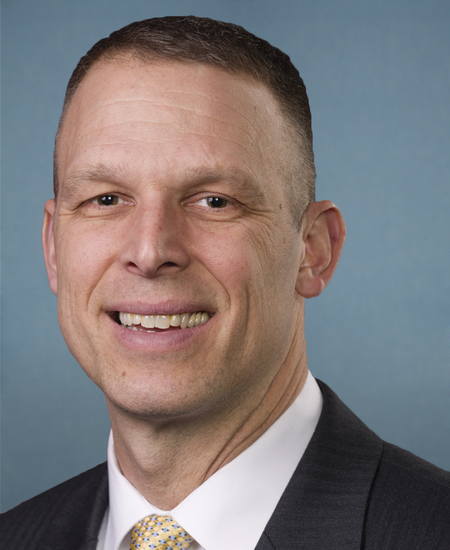
Rep. Scott Perry
Sponsored bills
Maddy summaryHRES 768 is a symbolic House Resolution expressing congressional support for Israel following Hamas' October 7, 2023 attacks. It condemns Hamas' actions, reaffirms Israel's right to self-defense, and calls for the immediate release of hostages. The resolution references the U.S. commitment to Israel's security through existing military aid programs, including the 2016 U.S.-Israel Memorandum of Understanding, and emphasizes enforcement of laws like the Taylor Force Act to prevent U.S. aid from reaching terrorist groups. As a symbolic resolution, it does not create new policy but serves as a statement of congressional support for Israel.
Maddy summaryHR 5959, the GAZA Act, would bar individuals holding passports issued by the Palestinian Authority from entering the United States. Specifically, it makes such individuals inadmissible, ineligible for visas or parole, and unable to receive immigration benefits under U.S. law. The bill directly affects Palestinian Authority passport holders seeking U.S. entry or immigration status. It creates a specific visa restriction based solely on the passport authority issuing the document.
Maddy summary# Summary of Immigration and Border Control Legislative Proposal This document is a comprehensive legislative proposal aimed at reforming U.S. immigration policy with a strong emphasis on border security, limiting asylum access, and accelerating the return of migrants. ## Key Provisions by Section: ### Title I: Asylum Reform and Border Protection - **Safe Third Country**: Requires aliens to seek protection in countries they transit through before applying for asylum in the U.S. - **Credible Fear Interviews**: Changes to how credible fear is determined. - **Asylum Eligibility**: Adds specific requirements for asylum claims, including restrictions on criminal activity, gang affiliation, and "generalized disapproval" of organizations. - **Employment Authorization**: Limits work authorization for asylum seekers and requires 180 days before eligibility. - **Asylum Fees**: Requires application fees of at least $50. ### Title II: Border Safety and Migrant Protection - **Detention Facilities**: Requires reopening of specific ICE detention facilities that closed after January 20, 2021. - **Mandatory Detention**: Limits parole and release of certain aliens, requiring return to contiguous countries. ### Title III: Preventing Uncontrolled Migration Flows - **Western Hemisphere Cooperation**: Requires negotiating agreements with Mexico, Honduras, El Salvador, and Guatemala for processing asylum claims and returning migrants. ### Title IV: Ensuring United Families at the Border - **Family Detention**: Changes to family detention policies, removing presumptions against detaining children with parents. ### Title V: Protection of Children - **Unaccompanied Children**: Requires faster repatriation of unaccompanied children to their home countries unless they are trafficking victims or have a credible fear of return. - **Findings**: Documents current crisis with over 350,000 unaccompanied children encountered since Biden took office. ### Title VI: Visa Overstays Penalties - **Increased Penalties**: Expands penalties for visa overstays with higher fines and potential imprisonment. ### Title VII: Immigration Parole Reform - **Restricts Parole Authority**: Limits parole to specific circumstances (urgent humanitarian reasons, significant public benefit, or specific categories like Cuban nationals). - **Case-by-Case Basis**: Requires individual consideration rather than class-based eligibility. - **Parole Duration**: Limits parole to 1 year (with possible 1-year extension). ## Overall Theme This proposal represents a significant shift toward stricter border control, reduced access to asylum, accelerated removal processes, and increased cooperation with other countries to process asylum claims before migrants reach the U.S. border. The document emphasizes "operational control" of borders and aims to reduce the number of migrants entering the U.S. unlawfully.

Maddy summaryHJRES 11 proposes a constitutional amendment that would limit Members of Congress to serving a maximum of three terms in the House of Representatives and two terms in the Senate. If passed and ratified, it would prevent any member who has already served the maximum terms from running for re-election, including time spent filling vacancies (for more than one year in the House or three years in the Senate). This amendment directly affects current and future members of Congress by changing eligibility rules for re-election. The proposal is currently a joint resolution in the House, requiring ratification by three-fourths of state legislatures to become part of the Constitution.
Maddy summaryHRES 739 is a House resolution disapproving of a September 11, 2023, sanctions waiver that would release $6 billion in Iranian assets held in South Korea. The resolution states this waiver weakens U.S. policy by allowing Iran access to funds that could support its nuclear program and terrorism, and criticizes the delayed notification to Congress. It specifically condemns the administration's nonenforcement of mandatory sanctions and the release of assets without proper congressional review. The resolution demands the administration submit any Iran nuclear agreement to Congress before further sanctions relief. This is a procedural disapproval, not a law altering sanctions.
Maddy summaryHJRES 91 is a resolution to block a Department of Energy rule that established new testing procedures for residential water heaters under the Energy Conservation Program. If approved, it would prevent the rule from taking effect, meaning water heater manufacturers would not need to comply with the updated testing standards. This directly affects the Department of Energy and manufacturers who would have been required to follow the rule, which was published in the Federal Register on June 21, 2023.
Maddy summaryHR 5654, the "Hot Showers Act," directs the Secretary of Energy to withdraw a specific proposed rule on water heater energy efficiency standards. The bill mandates the withdrawal of the "Energy Conservation Program: Energy Conservation Standards for Consumer Water Heaters" rule (88 Fed. Reg. 49058, July 28, 2023), and prohibits the Department of Energy from finalizing, implementing, or enforcing that rule or any substantially similar rule. This action directly affects the Department of Energy and manufacturers of consumer water heaters by halting the proposed efficiency standards. The bill is procedural, focusing solely on withdrawing the rule without creating new policy.
Maddy summaryHR 5531, the "End U.N. Censorship Act," prohibits U.S. federal funds from supporting specific United Nations initiatives related to information labeling. It bans funding for the UN's iVerify tool, any effort to label speech as "mal-, mis-, or disinformation," and voluntary contributions to the UN or other international groups supporting such labeling efforts. The bill applies directly to federal agencies like the Department of State, restricting how they use taxpayer money for these purposes. Any funds withheld under this law must be deposited into the Treasury general fund and not repaid to the UN. The bill focuses solely on restricting federal spending, not on regulating speech or censorship.
Maddy summaryHR 1435, the Preserving Choice in Vehicle Purchases Act, amends the Clean Air Act to restrict states from implementing vehicle emissions rules that limit the sale or use of new gasoline-powered cars. It directly affects states with stricter emissions standards (like California) by adding a new definition that blocks state rules "directly or indirectly" limiting internal combustion engine vehicles as defined in federal regulations as of January 1, 2023. The bill requires the EPA to revoke existing state emissions waivers granted between January 2022 and the bill’s enactment if they don’t comply with this new definition. This creates a concrete federal standard preventing states from advancing policies that could reduce demand for conventional vehicles.