

Maddy summaryThe Digital Skills for Today's Workforce Act establishes a new grant program to expand digital workplace skills training for workers, particularly those with barriers to employment such as low educational attainment, low earnings, or limited English proficiency. The program provides funding to states to award subgrants to eligible entities like community colleges and workforce organizations for training through classroom instruction, apprenticeships, and work-based learning. States must prioritize serving individuals with employment barriers and report on outcomes related to digital skills development. The bill aims to create "digitally resilient" systems and individuals who can adapt to changing technology demands in the workforce. This program is funded through appropriations for fiscal years 2026 through 2030.
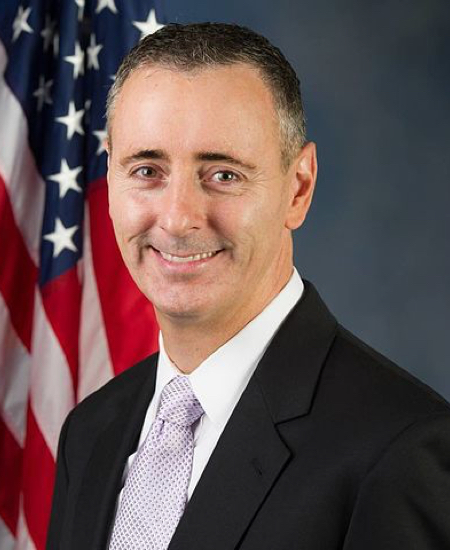
Rep. Brian K. Fitzpatrick
Sponsored bills
Maddy summaryThe Global Child Thrive Reauthorization Act of 2025 extends the authorization period for the Global Child Thrive program - which provides U.S. foreign assistance to support orphans and vulnerable children globally - from 2025 to 2030. It requires the Secretary of State to appoint a Special Advisor for Assistance to Orphans and Vulnerable Children within 90 days of enactment. The bill also extends the time period for issuing implementing directives under the Foreign Assistance Act. This legislation ensures continued U.S. funding and coordination for international child welfare programs.
Maddy summaryThis bill establishes a new interagency Task Force to dismantle foreign scam operations targeting Americans, particularly through "pig butchering" scams in Southeast Asia. The Task Force, chaired by the Secretary of State, will coordinate efforts across multiple agencies to shut down scam centers, impose sanctions on perpetrators, and support victims of trafficking. It requires a detailed strategy within 180 days and annual reports to Congress on progress, including sanctions imposed and funds recovered. The bill authorizes $30 million for these efforts in fiscal years 2026-2027, focusing on countries like Cambodia, Laos, and Burma where scam centers operate with forced labor.
Maddy summaryHR 5021, the American Decade of Sports Act, requires the U.S. Department of State to create a formal 5-year strategy (updated every 5 years) for using major international sporting events hosted in the U.S. between 2024 and 2034 - including the 2026 World Cup and 2028 Olympics - to strengthen diplomatic ties and promote U.S. soft power. It mandates renaming the State Department’s sports diplomacy division as the Office of Sports Diplomacy, adding at least 3 dedicated staff members, and coordinating with host cities, sports leagues, and visa agencies to streamline international visitor access. The strategy must detail diplomatic goals, partnerships with local communities and the sports industry, and plans for cultural exchange, while requiring annual progress reports to Congress until 2034. This bill directly affects the State Department, host cities, international athletes, and diplomatic engagement efforts.
Maddy summaryThis bill would remove restrictions on U.S. military exports to the Republic of Cyprus, allowing the Cypriot government to purchase U.S. defense equipment and services. It directly affects Cyprus by enabling access to U.S. defense articles and services, which were previously subject to a policy of denial. The key mechanism eliminates the denial policy for such exports, with exceptions if credible human rights concerns exist, and requires annual congressional certifications to maintain the policy beyond a 5-year period (based on Cyprus's cooperation with U.S. anti-money laundering efforts and denying Russian military vessels port access). The bill does not create new programs but changes existing export restrictions.
Maddy summaryHRES 920 is a ceremonial resolution celebrating the 50th anniversary of the Individuals with Disabilities Education Act (IDEA) on November 29, 2025. It recognizes IDEA’s historical impact - establishing the right to free, appropriate public education in the least restrictive environment for children with disabilities - and notes how it transformed access to education after over 1 million children were previously excluded from schools. The resolution does not create new policy or funding; it solely commemorates IDEA’s legacy, honors the students and families it has served, and acknowledges educators and advocates who advanced its implementation. This is a symbolic gesture with no direct effect on current law or services.
Maddy summaryHRES 919 is a non-binding resolution commemorating World AIDS Day (December 1) and supporting global efforts to end the HIV/AIDS epidemic. It encourages achieving "zero new HIV transmissions, zero discrimination, and zero AIDS-related deaths" by 2030, promotes awareness of U=U (Undetectable=Untransmittable) treatment, and urges continued U.S. funding for HIV prevention, treatment, and research programs domestically and globally. The resolution does not create new laws but symbolically affirms support for existing initiatives like PEPFAR and the Ryan White CARE Act, while highlighting disparities affecting communities of color, transgender individuals, and people in the Southern U.S.
Maddy summaryHR 6358, the Veteran Education Empowerment Act, creates a federal grant program to help colleges establish or improve dedicated Student Veteran Centers. These centers provide veterans, active-duty service members, and their families with lounge space, benefits counseling, academic support, and mental health services. Institutions must serve significant numbers of veterans and have sustainability plans to qualify for grants, with funding capped at $500,000 per institution over four years. The bill directly affects colleges serving veterans and aims to address challenges like isolation and transition difficulties through centralized campus support.
Maddy summaryThe CATCH IT Act (HR 5858) increases federal funding for rural health facilities by raising the federal share of costs for preventative health care equipment by 25 percentage points under the Community Facilities Grant Program. It specifically covers equipment like advanced breast imaging, mobile cancer screening units, cancer screening lab tools, colorectal screening devices, CT scanners, and diagnostic ultrasound equipment. This applies to facilities developing new projects or upgrading existing ones to include these technologies, aiming to improve access to preventative care in rural areas. The policy change takes effect in the first federal fiscal year after the bill is enacted.
Maddy summaryHR 4549, the Office of Rural Affairs Enhancement Act, amends the Small Business Administration's structure to better serve rural small businesses. It requires the Office's Assistant Administrator to have specific rural business expertise and mandates new outreach activities, including regional webinars and events for rural small business owners. The bill also adds annual reporting requirements for the SBA, detailing the Office's budget, staff, outreach events, and analysis of lending programs targeting rural businesses. These changes directly affect rural small business concerns (defined as those in rural areas per SBA rules) and the SBA's operational approach to their support. The legislation focuses on strengthening the Office's capacity to connect rural businesses with federal resources.