Burn Pit Program to Review Operations and Management of ILER System Efficacy Act or the Burn Pit PROMISE Act This bill requires the Government Accountability Office to study and report on the implementation and effectiveness of the Individual Longitudinal Exposure Record program of the Department of Defense and the Department of Veterans Affairs.
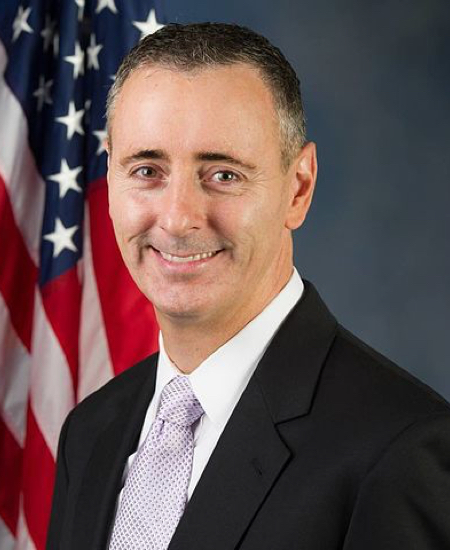
Rep. Brian K. Fitzpatrick
Sponsored bills
Maddy summaryThis resolution (HRES 740) symbolically recognizes October 2021 as Liver Cancer Awareness Month. It does not create new laws or allocate funds but aims to raise public awareness about liver cancer risks and prevention. The resolution highlights that liver cancer is the fastest-growing cause of cancer deaths in the U.S., with higher rates among American Indian/Alaska Native, Black, and Hispanic communities due to factors like hepatitis infections and diabetes. It urges broader awareness of screening for at-risk groups and encourages collaboration between the CDC and health departments to address prevention and treatment access. The resolution focuses on education and early detection, not on implementing new policies or services.
Bring Animals Relief and Kibble Act of 2021 or as the BARK Act of 2021 This bill extends federal protection from civil and criminal liability that applies to donations of food or grocery products for needy individuals to the donation of pet food or supplies.
Liver Illness Visibility, Education, and Research Act of 2021 This bill expands and coordinates activities related to the research of liver cancer and liver disease, including causes, prevention, detection, and treatment. Specifically, the National Cancer Institute must establish a working group to coordinate efforts across the National Institutes of Health to cure liver cancer and liver disease, including research into such cases resulting from hepatitis B. The institute may also award grants for developing preventative and diagnostic measures and supporting experimental treatment options. The bill further establishes grant programs, administered by the Centers for Disease Control and Prevention, to support liver disease prevention services, diagnostics, and hepatitis tracking programs and to raise awareness about liver disease within high-risk communities. The renamed National Institute of Diabetes and Digestive, Kidney, and Liver Diseases also must prioritize programs addressing liver disease, including (1) establishing a national clearinghouse for patient data, and (2) developing or expanding the centers for research of liver disease.
This resolution expresses solidarity with the Lebanese people following the explosions at the Port of Beirut on August 4, 2020, and supports their right to peacefully demonstrate to achieve political goals and anti-corruption reforms.
Medicare Mental Health Inpatient Equity Act of 2021 This bill removes the 190-day lifetime limit on inpatient psychiatric hospital services under Medicare.
Higher Education Mental Health Act of 2021 This bill requires the Department of Education to establish an Advisory Commission on Serving and Supporting Students with Mental Health Disabilities in Institutions of Higher Education. The commission must conduct a study and report on services available to students with mental health disabilities in institutions of higher education (IHEs) and the effectiveness of such services in supporting these students; the impact of policies and procedures, such as reasonable accommodation and disciplinary policies, that help or hinder the goal of providing equal opportunity to these students; the use of protected health information of these students by IHEs; the impact of providing mental health services on a student's academic performance, well-being, and ability to complete college; conclusions on the major challenges facing these students; and recommendations to improve the overall education, retention, and graduation of these students.
Strengthening America's Strategic National Stockpile Act of 2021 This bill makes changes to the administration and management of the Strategic National Stockpile. Among these changes, the bill authorizes through September 30, 2024, the Department of Health and Human Services (HHS) to transfer supplies from the stockpile to any federal departments or agencies under certain conditions. HHS must also ensure the contents of the stockpile remain in working order and may enter into maintenance service contracts to carry out this requirement. Furthermore, as part of its management of the stockpile, HHS must establish and maintain domestic reserves of certain supplies, including by entering into cooperative agreements or partnerships to access facilities and equipment to produce these supplies. The authority for such agreements and partnerships terminates on September 30, 2024. Additionally, the bill temporarily authorizes HHS to award grants to states for maintaining stockpiles of certain equipment and supplies for use during public health emergencies. HHS must also develop transparent processes for the use and distribution of supplies from the stockpile that address, for example, the prioritization of requests. Additionally, during the COVID-19 emergency, the Office of the Assistant Secretary for Preparedness and Response must report monthly on requests for supplies from states, tribes, and other jurisdictions. These reports must include the rationale for any partially fulfilled or denied requests. Lastly, the Government Accountability Office must study the feasibility of establishing user fees to offset costs for procuring single-source materials for, and distributing such materials from, the stockpile.

State Opioid Response Grant Authorization Act of 2021 This bill reauthorizes through FY2027 and otherwise changes the State Opioid Response Grant program. This program, which is managed by the Substance Abuse and Mental Health Services Administration, provides funding for states, territories, and Indian tribes and tribal organizations to address the opioid crisis. Specific changes to the program include (1) expanding its scope to also address stimulant use and misuse, (2) establishing a funding methodology and minimum funding allocations, and (3) allowing the use of grant funds for recovery support services. The bill also requires the Government Accountability Office to report on issues concerning the funding and other aspects of the program.
This resolution supports the designation of National Dyslexia Awareness Month and calls on Congress, schools, and educational agencies to recognize that dyslexia has significant educational implications that must be addressed.