

Forage Fish Conservation Act of 2021 This bill addresses the management and conservation of forage fish. The Department of Commerce must issue a definition for the term forage fish . It must consider certain factors in defining such term, including whether a species covered by the definition (1) is at a low trophic level; (2) is generally small to intermediate-sized; (3) occurs in schools or other dense aggregations; (4) contributes significantly to the diets of other fish, marine mammals, or birds; and (5) serves as a conduit for energy transfer to species at a higher trophic level. Commerce must also establish guidelines to assist regional fishery management councils in (1) developing a list of unmanaged forage fish areas and prohibiting the development of any new forage fish fisheries until the potential impacts of such fisheries have been assessed; and (2)setting annual catch limits for forage fish fisheries that assess, specify, and reduce such limits by the diet needs of other fish species and marine wildlife. The bill adds shad (American shad and hickory shad)and river herring (blueback herring and alewife)to the list of managed stocks for the New England and Mid-Atlantic Fishery Management Council.
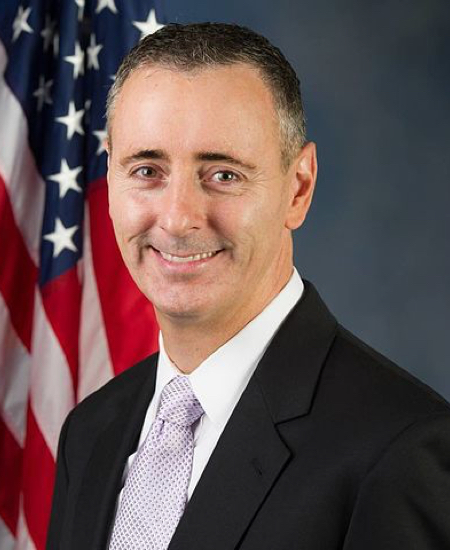
Rep. Brian K. Fitzpatrick
Sponsored bills
Maddy summaryHRES 790 is a symbolic resolution expressing the House of Representatives' support for designating November 2021 as "Pancreatic Cancer Awareness Month." It does not create new laws or allocate funding but aims to raise public awareness about pancreatic cancer, which has high mortality rates and disproportionately affects communities of color. The resolution highlights the need for increased research funding and early detection initiatives, referencing prior legislative actions that secured $15 million for pancreatic cancer research. It directly supports advocacy efforts to educate the public and encourage further research.
Maddy summaryThis bill removes a temporary expiration date for telehealth coverage in health insurance plans. It amends two sections of the Internal Revenue Code to permanently allow health plans to cover telehealth services without the prior deadline of December 31, 2021. The key change makes existing telehealth coverage rules permanent for health insurance plans under federal tax law. This directly affects health insurance plans that provide telehealth benefits, ensuring they can continue covering these services without needing to renew temporary provisions. The bill does not change what telehealth services are covered, only makes the coverage rules permanent.
This resolution supports the designation of National Microtia and Atresia Awareness Day. Microtia is a congenital condition affecting the outer ear; it is often accompanied by aural atresia (the absence or closure of the external ear canal resulting in hearing loss).
This concurrent resolution declares that Congress should not impose any new performance fee, tax, royalty, or other charge relating to the public performance of sound recordings on a local radio station for broadcasting sound recordings over the air, or on any business for such public performance of sound recordings.
Maddy summaryHRES 785 is a symbolic resolution designating November 8, 2021, as "National First-Generation College Celebration Day." It urges all Americans to celebrate this day, recognize the contributions of first-generation college students (those whose parents did not earn bachelor's degrees), and honor the Higher Education Act of 1965. The resolution highlights existing federal programs like TRIO and Pell Grants that support underrepresented students but does not create new laws or funding. As a non-binding resolution, it has no direct policy impact but aims to raise awareness about first-generation students' challenges and achievements.
This resolution supports the designation of National School Psychology Week and recognizes the contributions of school psychologists to the success of students in schools across the United States.
Maddy summaryHRES 386 is a symbolic resolution introduced in the U.S. House of Representatives that expresses support for recognizing "National Police Week" each year. The resolution acknowledges law enforcement officers' sacrifices, particularly during the pandemic, and encourages the public to honor their service. As a non-binding statement, this resolution does not create new law or change policy but serves as a formal expression of support for law enforcement officers across the United States.
Early Childhood Nutrition Improvement Act This bill makes various changes to the Child and Adult Care Food Program, which reimburses child care centers, day care homes, and other sites for meals and snacks provided to low-income individuals. Among these changes, the bill authorizes reimbursements for an additional meal or snack provided to children who are in care for at least eight hours, allows certain child care centers to certify their eligibility on an annual (rather than a monthly) basis, and establishes an advisory committee to make recommendations to reduce unnecessary recordkeeping requirements for program participants.
Partner with Korea Act This bill creates an E-4 treaty trader visa category for up to 15,000 nationals of South Korea each fiscal year who are coming to the United States solely to perform specialty occupation services, subject to various requirements. The 15,000 limit shall only apply to principal aliens and not the spouses or children of such aliens. (A specialty occupation is one that requires the theoretical and practical application of highly specialized knowledge and a bachelor's degree or higher.)