

Maddy summaryThis bill amends the calculation method for the Basic Allowance for Housing (BAH) for uniformed service members living off-base in the United States. It requires the Secretary of Defense to set BAH amounts based directly on the actual monthly cost of adequate housing in each area, matching the member's pay grade and dependency status. This change ensures BAH rates more accurately reflect local housing expenses rather than using a previous formula. The bill directly affects all service members receiving BAH for off-base housing across the U.S., particularly those in high-cost areas where current rates may not cover actual rent.
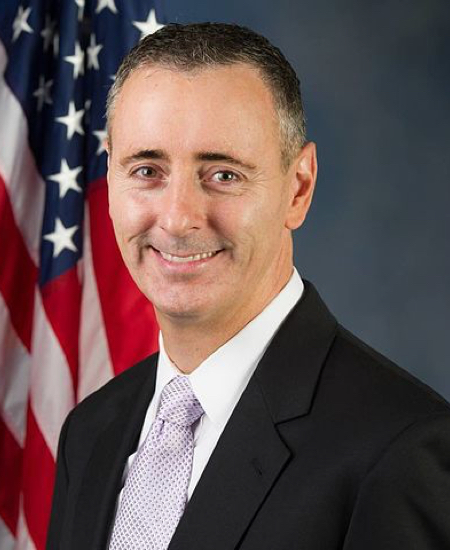
Rep. Brian K. Fitzpatrick
Sponsored bills
Maddy summaryThis bill prohibits the non-consensual sharing of digitally manipulated intimate images (deepfakes) of identifiable people. It creates a civil right for victims to sue individuals who distribute such images without consent, allowing claims for actual damages, $150,000 in liquidated damages, or punitive damages, plus attorney fees. Criminal penalties up to 10 years in prison apply for malicious disclosure intended to harass, harm reputation, or facilitate violence. Exceptions include disclosures to law enforcement for investigations, legitimate public interest matters (excluding mere public figure status), or efforts to assist the victim. The law specifically defines "intimate digital depictions" to include explicit body parts, sexual fluids, or sexual conduct in manipulated images.
Maddy summaryHR 1938 requires the Department of Defense to request modifications to stormwater permits at military facilities, mandating quarterly monitoring of PFAS discharges and implementation of best management practices to reduce them. The bill directly affects all Department of Defense facilities subject to federal stormwater permits under the Clean Water Act. It allocates at least 1% of annual PFAS remediation funds specifically for testing stormwater runoff at these sites. The legislation focuses on preventing PFAS contamination in waterways by strengthening monitoring and reduction measures at military operations.
Maddy summaryHR 1942, the DELIVER Act of 2025, increases the IRS standard mileage reimbursement rate for delivering meals to vulnerable populations. It specifically raises the rate to 14 cents per mile for vehicles used to deliver meals directly to homebound elderly, disabled, frail, or at-risk individuals. This change applies to mileage expenses claimed under tax code sections 162 and 212, which cover business expenses. The bill directly affects meal delivery organizations and volunteers providing services to these at-risk groups. The amendment takes effect for miles driven after the bill's enactment date.
Maddy summaryHR 932, the Protecting VA Employees Act, repeals separate processes for removing, demoting, or suspending certain Department of Veterans Affairs (VA) employees and replaces them with a single, consolidated procedure. It also restores disciplinary and grievance procedures for Veterans Health Administration (VHA) staff to their pre-2017 state, as they existed before the VA Accountability and Whistleblower Protection Act of 2017. These changes directly affect VA employees, particularly VHA personnel, by altering how disciplinary actions are conducted under the agency's rules.
Maddy summaryHR 1868 creates tax relief for U.S. citizens wrongfully detained or held hostage abroad. It postpones tax filing deadlines and prevents penalties for tax liabilities during the period of detention, treating that time as if it did not occur for IRS purposes. The bill also establishes a refund program by January 2026 to return penalties and interest already paid during detention, covering taxpayers from 2021 through the bill's enactment date. Eligibility is determined by the State Department or Hostage Recovery Fusion Cell, with the Treasury required to update systems and notify affected individuals. This directly affects U.S. nationals held captive or wrongfully detained, ensuring they aren't penalized for missed tax deadlines due to circumstances beyond their control.
Maddy summaryHR 1871, the Water Conservation Rebate Tax Parity Act, changes federal tax rules to allow homeowners to exclude certain water-related rebates from taxable income. It expands the existing tax exclusion to cover rebates for water conservation measures (like efficient fixtures), storm water management (such as rain gardens), and wastewater management (like septic system upgrades), but only for the homeowner's principal residence. These rebates must come from public utilities, storm water providers, or state/local governments. The changes apply to rebates received after December 31, 2021, and do not affect tax treatment for rebates received before 2022.
Maddy summaryThis bill removes the requirement for an initial in-person visit before Medicare beneficiaries can receive mental health services via telehealth. It eliminates geographic restrictions that previously limited telehealth access, allowing services to be provided from home or other locations without travel. The change applies immediately to mental health care and substance use disorder treatment, and permanently removes a 2025 deadline that would have ended expanded telehealth access for rural clinics and health centers. This directly affects Medicare patients seeking mental health support, particularly those in rural areas or with mobility challenges.
Maddy summaryThis bill modifies tax reporting rules for gig economy platforms (like Uber or DoorDash) by reinstating a pre-American Rescue Plan threshold. It requires third-party payment platforms to report income to the IRS only if a gig worker earns over $20,000 in a year or completes more than 200 transactions. This directly affects low-earning gig workers who would no longer receive tax forms for smaller earnings. The change simplifies reporting for platforms and reduces administrative burden on workers with minimal income from these platforms.
Maddy summaryThe Richard L. Trumka Protecting the Right to Organize Act of 2025 strengthens workers' organizing rights by making it an unfair labor practice for employers to threaten permanent replacement of striking workers, discriminate against workers who support unions, or require employees to attend employer campaigns unrelated to their job duties. It expands the definition of "employee" to make it harder for companies to classify workers as independent contractors and requires employers to post notices about workers' rights in conspicuous locations. The bill establishes a new electronic voting system for union elections, creates a 90-day bargaining period before mediation can be requested, and increases penalties for violations of labor laws. These changes are intended to make it easier for workers to form unions and negotiate better wages and working conditions.