

Maddy summaryThis bill, HR 3916 (My Body, My Data Act of 2025), requires businesses and other "regulated entities" to minimize collection and sharing of personal reproductive or sexual health data - such as pregnancy status, contraceptive use, or abortion-related information - and gives individuals specific rights. It mandates that entities provide individuals with easy access to their data, the ability to correct inaccuracies, and the right to request deletion of such information within 15 days. The law also requires clear privacy policies detailing data practices and prohibits retaliation against individuals who exercise these rights, such as charging higher prices or denying services. It applies broadly to most businesses (excluding HIPAA-covered healthcare providers) and is enforced by the FTC with private lawsuits allowed for violations.
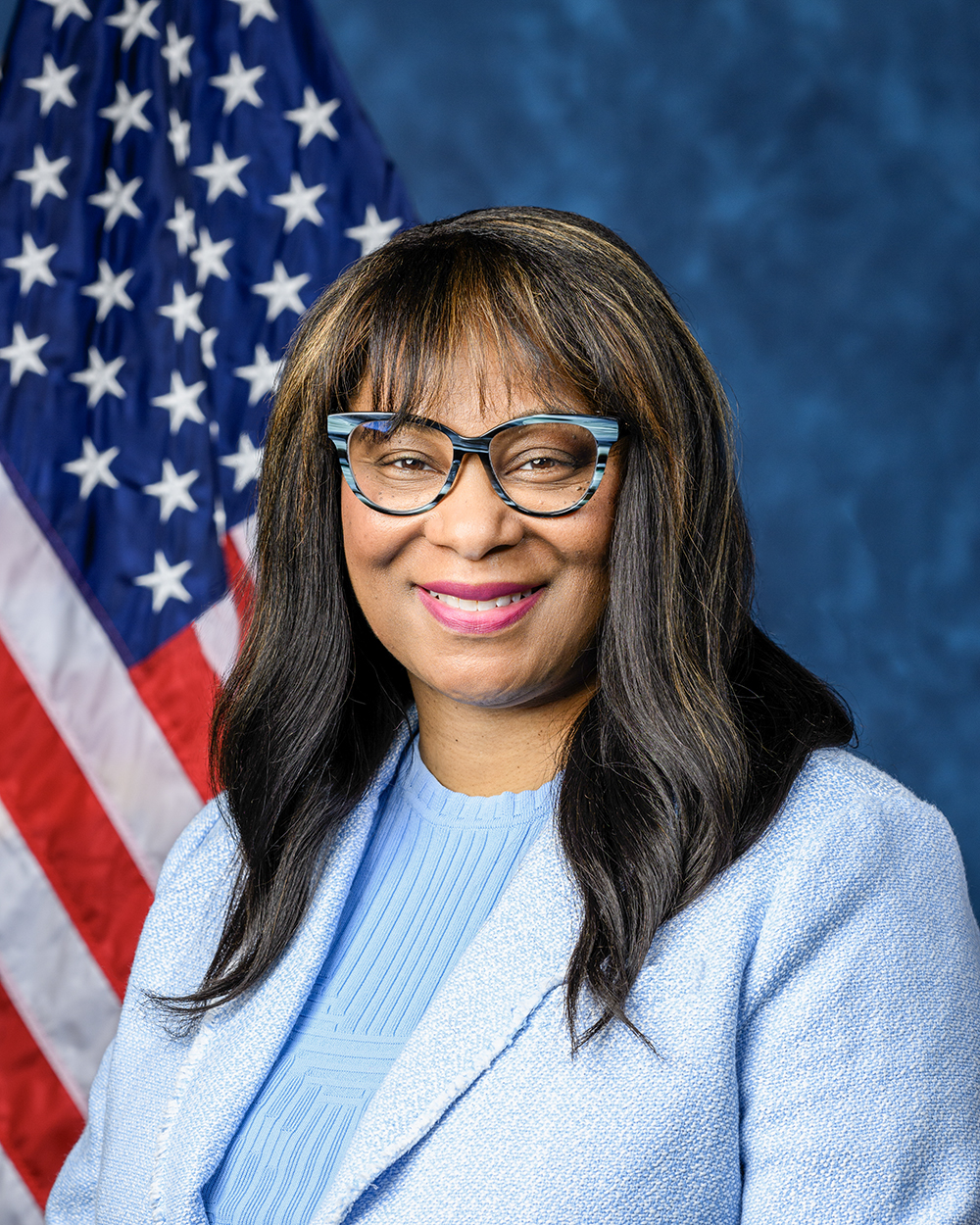
Rep. Janelle S. Bynum
Sponsored bills
Maddy summaryThis bill requires private firearm transfers between individuals to go through a licensed dealer who must conduct a background check. It applies to most private sales but includes exceptions for transfers between family members (like parents and children), law enforcement, emergencies preventing harm, and temporary loans at shooting ranges or for hunting. Dealers must provide background check notices in both English and Spanish. The law aims to prevent prohibited individuals from obtaining firearms through private transactions while maintaining existing state authority on firearm laws.
Maddy summaryHR 3867, the Bankruptcy Administration Improvement Act of 2025, increases compensation for chapter 7 bankruptcy trustees from $60 to $120 per case, directly affecting these trustees who administer consumer bankruptcy cases. The bill adjusts fee distributions to fund this increase, ensuring the bankruptcy system remains self-supporting without taxpayer costs. It also extends terms for certain bankruptcy judge positions from 5 to 10 years to address caseload demands. The bill does not change filing fees or alter courts' authority to waive fees for indigent filers.
Maddy summaryHR 3876, the LIHEAP Staffing Support Act, amends the Low-Income Home Energy Assistance Act to establish staffing requirements for the program. It requires the Secretary to employ at least 20 full-time staff dedicated to administering LIHEAP, limits contractors to no more than 40% of these staff, and mandates increasing staffing to at least 30 during declared emergencies (as defined under existing law). These provisions directly affect the administrative capacity of the LIHEAP program, which provides energy assistance to low-income households. The bill focuses on ensuring consistent staffing levels to support program delivery, with specific rules for emergency periods lasting up to 180 days.
Maddy summaryThe National Prescribed Fire Act of 2025 aims to increase the use of prescribed fire (intentionally set, controlled burns) on federal lands to reduce wildfire risk and improve forest health. The bill allows federal land management agencies to use up to 15% of their hazardous fuels management funds for prescribed fire projects, requires a 10% annual increase in acres treated with prescribed fire, and establishes a Collaborative Prescribed Fire Program to fund large-scale, landscape-level projects. It streamlines environmental reviews through landscape-scale planning, addresses liability protections for fire managers, and mandates annual reporting on prescribed fire activities. The bill directly affects federal land management agencies (Interior and Agriculture), states, tribes, and local entities working on fire management.
Maddy summaryHR 3885, the Community TEAMS Act of 2025, creates a new grant program to expand medical student clinical training in rural and medically underserved communities. It provides funding for consortia of medical schools partnered with rural health clinics, community health centers, or facilities in underserved areas to support student rotations in outpatient settings. The grants, lasting 1-5 years, require applicants to detail project plans, sustainability, and how the program will improve community access to healthcare. This directly affects medical students, training facilities, and residents of high-need areas by aiming to build a sustainable physician workforce in those locations.
Maddy summaryThis bill protects student athletes' ability to sign name, image, and likeness (NIL) agreements with outside companies (like endorsement deals) without school restrictions, requiring such agreements to be in writing with clear terms like compensation and duration. It mandates colleges to disclose anonymized NIL agreement data to create a public database for estimating fair market values, while requiring institutions to provide NIL education, career training, and financial literacy resources. Schools must maintain scholarships regardless of athletic performance or injury and cover sports-related medical costs for four years after graduation. The bill preempts conflicting state laws and clarifies student athletes are not employees of their schools.
Maddy summaryThis bill creates a presumption of service connection for specific health conditions in veterans who served at Karshi Khanabad Air Base in Uzbekistan. It directly affects those veterans by automatically qualifying them for disability benefits for 15 categories of diseases, including all cancers, thyroid conditions, bone disorders, cardiovascular issues, neurological illnesses, and other serious conditions listed in the bill. The key mechanism is adding these diseases to the list of conditions presumed to be linked to service at that specific location, eliminating the need for veterans to prove a direct connection. This change simplifies the benefits process for affected veterans without altering existing disability benefit standards.
Maddy summaryThis bill reorganizes collective bargaining rules for Veterans Health Administration (VHA) employees by removing existing subsections (b), (c), and (d) from Section 7422 of Title 38 and redesignating the current subsection (e) as (b). It directly affects VA health care employees by altering the structure of their collective bargaining framework. The bill explicitly states it does not change the Secretary of Veterans Affairs' existing authorities over incentive pay or expedited hiring under Section 706 of Title 38. The change is purely procedural, focusing on the internal organization of bargaining rules without introducing new employee benefits or obligations.
Maddy summaryHRES 443 designates May 2025 as "National Electrical Safety Month" to raise public awareness about electrical hazards. The resolution highlights statistics showing electrical failures cause over 500 deaths, 1,400 injuries, and $1.3 billion in property damage annually, urging citizens to adopt safety practices like installing smoke alarms and using safety devices (e.g., ground-fault interrupters). It encourages individuals to inspect homes/workplaces for hazards, promote safety habits, and supports the Electrical Safety Foundation’s educational efforts. The resolution is symbolic - it does not create new laws but asks the President to issue a proclamation encouraging public observance through safety programs.