

Maddy summaryThe Rights for the TSA Workforce Act of 2024 would transition Transportation Security Administration (TSA) employees, particularly screening agents, from TSA-specific personnel rules to the standard federal government personnel system under Title 5 of the U.S. Code by December 31, 2024. The bill prohibits changes to current personnel policies for covered employees until the transition date and ensures no reduction in pay or benefits during the conversion process. It preserves certain benefits like law enforcement availability pay for Federal air marshals and maintains collective bargaining rights for screening agents. The bill also requires various reports to Congress on recruitment, implementation, diversity, and workplace safety to be submitted within specified timeframes.
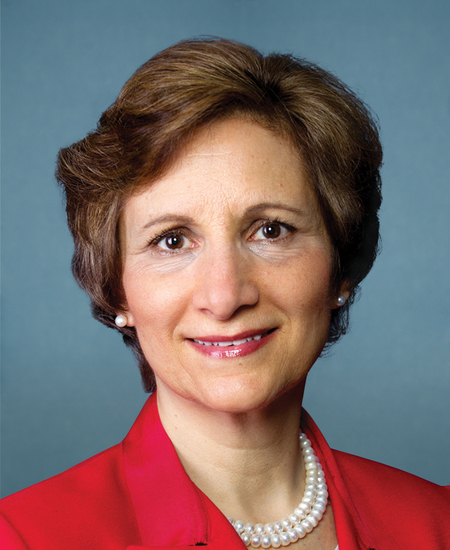
Rep. Suzanne Bonamici
Sponsored bills
Maddy summaryHRES 1217 is a symbolic House resolution supporting the designation of May 10, 2024, as "National Asian American, Native Hawaiian, and Pacific Islander Mental Health Day." It directly affects the AANHPI community, which faces significant mental health disparities (including 63.7% of those needing care not receiving it and higher youth suicide rates). The resolution does not create new policies or funding but encourages federal, state, and local agencies to improve mental health awareness and culturally appropriate services for this community. It emphasizes recognizing cultural heritage as beneficial to mental health and aligns with existing May observances for AANHPI Heritage and Mental Health Awareness.
Maddy summaryHRES 1208 is a House resolution supporting National Nurses Week (May 6-12, 2024), recognizing nurses' critical role in healthcare. It highlights nurses as the largest healthcare profession (over 4.7 million registered nurses) and their contributions to patient safety, public health, and health equity. The resolution encourages the public to observe the week with activities honoring nurses' work in frontline care, advocacy, and community health promotion. As a commemorative resolution, it does not enact policy changes but formally acknowledges nurses' impact on U.S. healthcare.
Maddy summaryHRES 1206 is a symbolic House resolution supporting the designation of May 2024 as "Mental Health Awareness Month." It does not create new laws or funding but aims to raise public awareness about mental health challenges, emphasizing the need to reduce stigma and treat mental well-being as equally important as physical health. The resolution cites statistics on rising mental health crises - including increased anxiety, depression, and suicide rates among youth, LGBTQ+ individuals, veterans, and communities of color - to underscore the urgency of the issue. It encourages nationwide efforts to promote mental health awareness and access to care during this designated month.
Maddy summaryHRES 1203 is a symbolic resolution designating July 17, 2024, as "Glioblastoma Awareness Day." It expresses congressional support for raising public awareness about glioblastoma, a highly aggressive brain cancer with a 6.9% 5-year survival rate and limited treatment options. The resolution encourages greater public understanding of the disease's challenges, honors those affected by it, and urges continued research and collaboration. This is a non-binding awareness measure with no new funding or policy changes.
Maddy summaryThis bill updates the National Construction Safety Team Act by replacing "building" with "structure" throughout the law and adjusting related terminology. It ensures investigations cover a broader range of infrastructure, including bridges, dams, and other structures, not just traditional buildings. Key provisions clarify that investigations may defer to other federal agencies when appropriate and update references to "engineering standards, practices, and building codes." The bill does not change funding levels, maintaining the $5 million annual appropriation for the National Institute of Standards and Technology through 2027. It focuses on modernizing the law's language to reflect current infrastructure safety needs without introducing new requirements.
Maddy summaryThis bill establishes the Project Turnkey Program, allocating $1 billion annually to fund affordable housing and homelessness services. It directly helps vulnerable populations including homeless individuals, those at risk of homelessness, and victims fleeing domestic violence or trafficking. Key provisions allow funds for rental assistance, rehabilitating vacant properties (like hotels and motels), supportive services, and shelter operations, while requiring states to use funds to supplement - not replace - existing local housing investments. The program runs through 2034 with specific rules to streamline housing development and expand capacity for community organizations.
Maddy summaryThis bill expands compensation options for individuals filing discrimination lawsuits under federal civil rights law. It allows victims to claim damages for emotional harm - including mental anguish, loss of enjoyment of life, and non-financial suffering - alongside financial losses. The bill also adds a right to a jury trial for damages in these cases. For age discrimination claims specifically, it aligns available remedies with those under the Civil Rights Act of 1964, including all legal or equitable relief previously available for race-based discrimination.
Maddy summaryThis bill codifies the Environmental Protection Agency's 2023 determination that the Pebble Mine project would cause unacceptable harm to Bristol Bay's salmon habitats. It makes the EPA's prohibition on the mine's waste disposal sites legally binding, directly affecting the Pebble Mine developers and protecting the watershed. The key provision permanently enforces the EPA's finding that the mine would destroy critical salmon streams, wetlands, and fishery areas vital to the region's ecosystem and Indigenous subsistence culture.
Maddy summaryThis resolution designates April 29-May 3, 2024, as "National Specialized Instructional Support Personnel Appreciation Week" to recognize over 1 million school-based professionals, including counselors, psychologists, nurses, therapists, and social workers. It symbolically acknowledges their role in supporting student learning, mental health, safety, and academic success through evidence-based practices. The resolution does not create new programs or change funding - it is a non-binding expression of support urging policymakers to raise awareness of these personnel’s contributions. It directly affects the recognized support staff and indirectly encourages broader recognition of their work in schools.